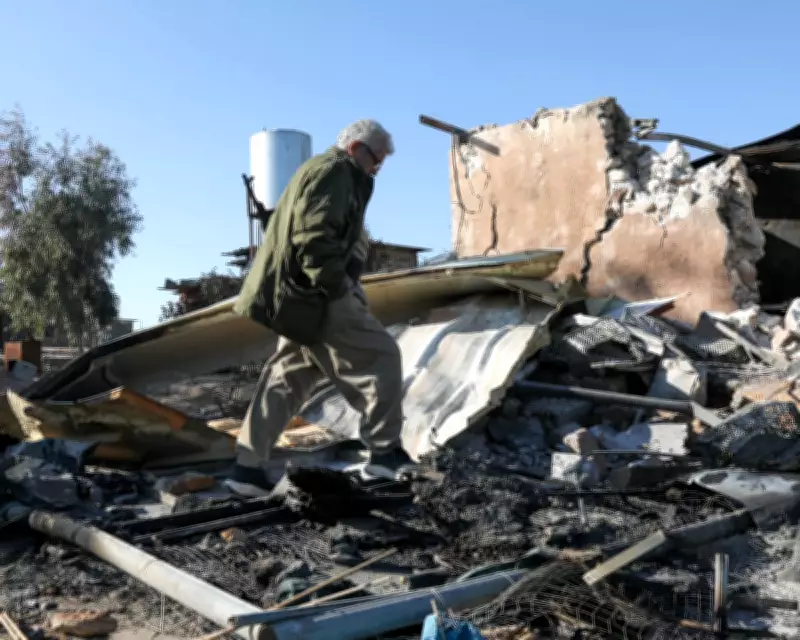
US Military Conducts Airstrikes in Iran and Iraq
The United States has executed a series of airstrikes targeting locations in both Iran and Iraq, marking a significant escalation in military operations within the volatile Middle East region. This development comes amid heightened tensions involving various regional actors, including Israel and Kurdish factions, which have been embroiled in ongoing conflicts. The precise objectives and outcomes of these strikes are currently under assessment by defense analysts, but initial reports suggest they aim to counter perceived threats to US interests and allies in the area.
Background and Context of the Strikes
These airstrikes occur against a backdrop of persistent instability in the Middle East, where multiple geopolitical rivalries and internal disputes have fueled violence for years. Iran has long been a focal point of regional tensions due to its nuclear program and support for proxy groups across the region. Iraq, meanwhile, continues to grapple with security challenges following years of conflict and the presence of various militant organizations. The involvement of Israel and Kurdish groups adds layers of complexity, as these entities often find themselves at odds with Iranian influence and other regional powers.
US officials have cited the need to protect American personnel and assets as a primary rationale for the strikes, emphasizing a commitment to deterring aggression. However, critics warn that such actions could inadvertently provoke further retaliation, potentially drawing the US deeper into a protracted conflict. The international community is closely monitoring the situation, with calls for diplomatic solutions to prevent a full-scale war.

Implications for Regional Stability
The airstrikes have immediate implications for regional stability, raising fears of a broader confrontation that could involve multiple nations. In Iran, the strikes may harden the stance of hardline factions, complicating efforts to revive nuclear negotiations or ease sanctions. In Iraq, the government faces a delicate balancing act, as it seeks to maintain sovereignty while navigating pressures from both the US and Iran. Kurdish groups, often caught in the crossfire of larger conflicts, may experience heightened insecurity as a result of these developments.
Moreover, the timing of the strikes coincides with other high-profile investigations, such as the ongoing probe into Jeffrey Epstein's network, which has drawn attention from figures like former Florida Attorney General Pam Bondi. While unrelated, these parallel events underscore the multifaceted nature of current global affairs, where security, legal, and political issues intersect. Analysts suggest that the US must carefully manage its military engagements to avoid overextension and prioritize de-escalation strategies.
In summary, the US airstrikes in Iran and Iraq represent a critical juncture in Middle East dynamics, with potential ripple effects across the region. As tensions simmer, the need for coordinated international diplomacy becomes increasingly urgent to mitigate risks and foster a path toward lasting peace.