US Ammunition Crisis in Iran War Threatens Global Security Balance
The ongoing conflict between the United States and Iran is exposing a critical vulnerability in American military logistics, as the US burns through its ammunition stockpiles at an unsustainable rate. According to security experts, this depletion could have far-reaching implications, with adversaries worldwide closely monitoring the situation. Former President Donald Trump has suggested the conflict might last for weeks, but concerns are mounting over whether the US has the resources to sustain such a campaign.
Financial and Logistical Strain on US Allies
America's allies in the Middle East, including the United Arab Emirates, are reportedly urging for a swift resolution to the hostilities. A key driver is their rapid exhaustion of defense capabilities against Iranian attacks. The UAE has demonstrated remarkable effectiveness, shooting down an impressive 92% of Iranian missiles and drones, including 165 ballistic missiles, 541 Shahed drones, and two cruise missiles. However, this success comes at a staggering cost.
Analysis by Kirsty Greico, a security expert at the Stimson Centre in Washington DC, reveals the stark economic imbalance. Using American-made Patriot or THAAD missile systems, the UAE faces exorbitant expenses: a single Patriot missile costs between $4-5 million, while an Iranian ballistic missile is priced at just $1-2 million. The disparity worsens with drone defense, where interceptors average $500,000 to $1.5 million per drone. Greico estimates Iran spent $11-27 million on 541 drones, whereas the UAE's defense costs ranged from $253 million to $759 million, spending 20 to 30 times more than the attacker.

Race Against Time: US Stockpile Depletion
The pressure on the US and its allies is intensifying, influencing tactical responses. There is now a race to locate and destroy Iran's drone infrastructure to reduce the strain on interceptors, while Iran aims to maintain a mobile and sustained threat. Reports indicate that Middle Eastern allies requesting supply replenishments are being stonewalled by the Pentagon, exacerbating the crisis.
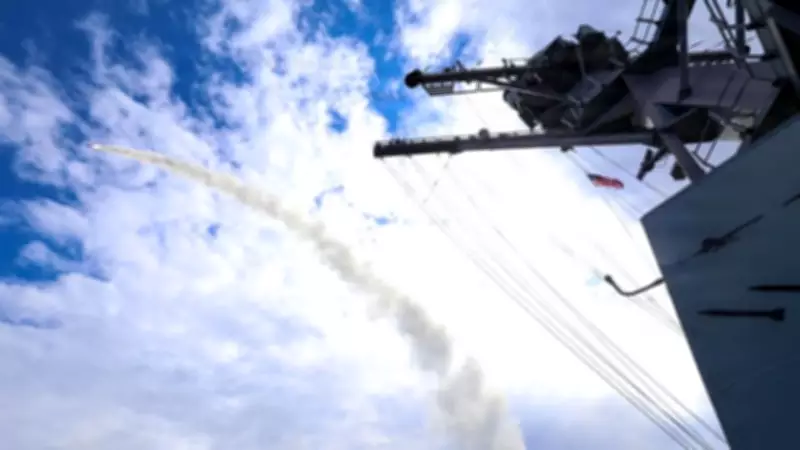
Although the US military can absorb the financial costs, its ammunition reserves are dwindling. Leaks from the Pentagon ahead of the assault suggested resources might only last one to two weeks, contradicting Trump's assertion of a four to five-week campaign. Analysts estimate the US may deploy up to 400 Tomahawk cruise missiles, about 10% of its 4,000-missile arsenal. Additionally, THAAD interceptor stocks are depleted, with 150 launched in a June attack—roughly a quarter of the 632-missile inventory.
Greico warns that replacement of these missiles could take two to three years, even with increased production efforts. We are using these interceptors at a rate that's much faster than you can possibly replace them, she said. The US can choose to buy down short-term risk in the Middle East by devoting more interceptors, but that increases long-term strategic risk, especially in other theatres.
Global Implications and Adversarial Watchfulness
The financial and logistical asymmetry in combating Iran's drones poses an existential threat to Iran's neighbors, while for the US, it represents a strategic dilemma. America can withdraw from the Middle East once ammunition runs out, but the consequences extend globally. Other adversaries, such as China, are likely counting the rounds fired in this conflict, assessing opportunities to exploit US vulnerabilities.
For instance, a peer adversary like China might consider launching an attack on Taiwan if it perceives the US lacks the munitions to intervene effectively. This scenario underscores the broader security risks emerging from the Iran conflict, highlighting how ammunition depletion could reshape global power dynamics and trigger conflicts in distant regions.