US Naval Power Heads to Middle East as Iran Crisis Deepens
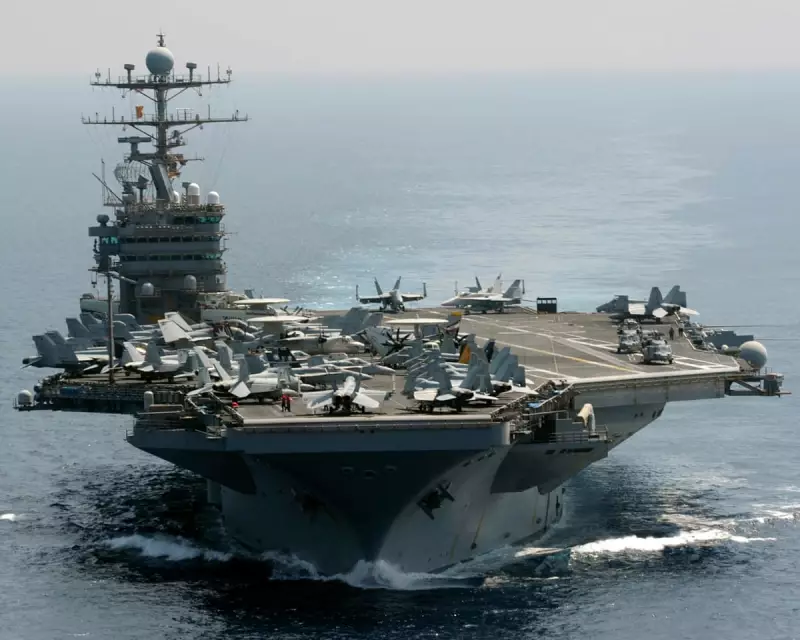
The United States is deploying significant naval assets to the Middle East region amid escalating tensions with Iran and ongoing civil unrest within the country. President Donald Trump confirmed the movement of what he described as a substantial "armada" toward the area, stating that Washington is closely monitoring developments in Tehran.
Naval Deployment and Military Movements
The aircraft carrier USS Abraham Lincoln, accompanied by several guided-missile destroyers, will arrive in the Middle Eastern theatre within the coming days. This represents a substantial show of force by the United States military in a region already experiencing heightened geopolitical friction.
Additional air defence systems are being positioned, most likely around strategic locations including American and Israeli airbases. The United Kingdom has also announced its own military contribution, with RAF Eurofighter Typhoon jets from 12 Squadron deploying to Qatar at the specific request of Doha authorities.

Trump's Statements and Diplomatic Context
Speaking to reporters aboard Air Force One following his return from the World Economic Forum in Davos, President Trump emphasised both caution and preparedness. "We have a lot of ships going that direction, just in case," he stated. "I'd rather not see anything happen, but we're watching them very closely ... we have an armada ... heading in that direction, and maybe we won't have to use it."
The American president had previously refrained from authorising military strikes against Iran approximately two weeks earlier, despite suggesting that assistance was forthcoming. This decision reportedly stemmed from concerns about the effectiveness of available military options in achieving regime change objectives, alongside pressure from Gulf state allies urging restraint.
Iran's Internal Crisis and Human Toll
Meanwhile, Iran continues to grapple with significant domestic turmoil following widespread protests that began in late December. According to the US-based Human Rights Activists News Agency (HRANA), the death toll from government crackdowns has reached 5,002 individuals, including:
- 4,716 demonstrators
- 203 government-affiliated personnel
- 43 children
- 40 civilians not participating in protests
HRANA, which maintains an established network of activists within Iran and has demonstrated accuracy in previous reporting on unrest, further indicates that at least 26,541 people have been arrested during the suppression of protests.
Origins and Nature of the Protests
The civil unrest originated on 28 December when traders took to the streets of Tehran following a sudden devaluation of the Iranian rial. What began as economic demonstrations rapidly expanded into broader political protests demanding systemic change, representing the most serious challenge to Iran's government since the 1979 revolution.
Although the protest movement has largely diminished in the face of severe government repression and an unprecedented internet blackout, resistance continues through symbolic acts such as anti-government chants at funeral gatherings for victims.
International Response and Iranian Warnings
The United Nations Human Rights Council has convened in Geneva to address the Iranian government's response to the protests. Meanwhile, Iranian military leadership has issued stark warnings to the United States, with Ali Abdollahi Aliabadi of the Khatam-al Anbiya Central Headquarters declaring that any American military strike would render all US bases in the region "legitimate targets."
Media Suppression and Political Fallout
Within Iran, media freedom has suffered significant setbacks during the crisis. The reformist newspaper Ham-Mihan has been forcibly closed after publishing accounts detailing both the pursuit of protesters within medical facilities and the broader brutality of the government crackdown.
Many prominent reformist figures have found themselves unable to publicly express views on the situation, while those permitted to address wider audiences have frequently attributed the social breakdown to economic collapse rather than purely political factors.

Economic Dimensions and Sanctions Impact
US Treasury Secretary Scott Bessant, speaking at the World Economic Forum, directly attributed the protests to American economic sanctions, describing them as successful "economic statecraft" that precipitated Iran's economic difficulties without military engagement.
President Masoud Pezeshkian, Iran's reformist leader elected eighteen months ago, offered his most extensive commentary to date on the violence, asserting that legitimate public protests had been transformed into "a bloody and violent battle" through external conspiracies against Iranian interests.
While President Trump has consistently maintained the possibility of military action against Iran, particularly following American involvement in Israel's June campaign against Iranian nuclear and missile programmes, recent developments suggest a temporary diplomatic opening as both sides explore non-military resolutions to the current standoff.