Preliminary Report Points to US Responsibility in Iran School Attack
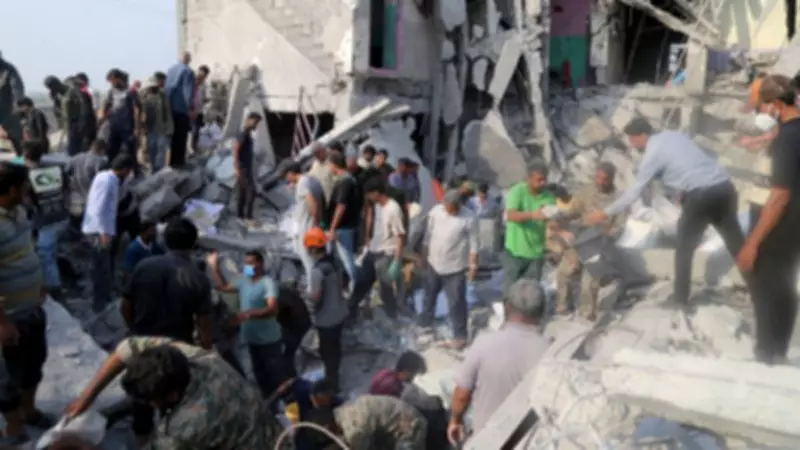
A preliminary investigation report has determined that the US military was likely responsible for a missile strike on an elementary school in southern Iran, which resulted in the deaths of more than 170 people, the majority of whom were children. This incident occurred on the first day of fighting in a near two-week conflict, raising serious questions about intelligence failures and civilian protection in warfare.
Details of the Deadly Strike
On 28 February, the Shajareh Tayyebeh Elementary School in the town of Minab was hit during a Saturday morning, the start of the Iranian school week, when the building was filled with young students. Reports from NBC News indicate that the death toll exceeds 170, with other sources citing over 165 fatalities. The attack was part of broader military actions that also claimed the life of Supreme Leader Ayatollah Ali Khamenei.
Intelligence Breakdown and Targeting Errors
According to sources familiar with the investigation, the school was targeted based on outdated intelligence that incorrectly identified it as an Iranian Revolutionary Guards Corps (IRGC) base. The munition did not deviate from its intended path; rather, it struck the school due to this erroneous data. US Central Command (CENTCOM) relied on information from the US Defence Intelligence Agency, with Israel involved in selecting targets, though the exact point of failure remains unclear.

Evidence and Analysis of the Attack
- Satellite imagery analyzed by the Associated Press reveals that the school and other targets had visible civilian characteristics from the air, suggesting the strike could have been avoided.
- New footage shows a US-made Tomahawk cruise missile hitting a nearby military compound as smoke rose from the school area, with missile fragments bearing markings consistent with such weapons.
- Publicly available satellite images indicate the school was part of a military compound until approximately 2017, after which a wall was added to separate them, and the building was painted with vibrant murals visible from space.
- The school is clearly labeled on online maps and maintains an accessible website with details about students and staff, highlighting its civilian nature.
International Law and Civilian Protection
International laws governing warfare strictly prohibit strikes on non-military targets, making this incident a potential violation. The gutting of the Pentagon's Civilian Protection Centre of Excellence under US Defence Secretary Pete Hegseth and failures to update no-strike lists have been cited as contributing factors to such tragedies.
Political and Diplomatic Fallout
US President Donald Trump initially blamed Iran or other countries for the attack, later expressing uncertainty. When pressed on potential US responsibility, he stated, Whatever the report shows, I'm willing to live with that report. In contrast, Defence Secretary Hegseth asserted that Iran is the only side targeting civilians, a claim contradicted by the investigation's findings.
Iran's foreign minister, Abbas Aragchi, condemned the strike as a crime against the Iranian people that will not go unanswered, while spokesperson Esmaeil Baghaei labeled it a blatant crime. Members of the US Congress, including Republican Senator Kevin Cramer, have demanded accountability, urging the military to eliminate such mistakes moving forward.
This tragic event underscores the devastating consequences of intelligence failures in conflict zones, with growing evidence pointing to outdated US data as the likely cause of a strike that claimed numerous innocent lives.