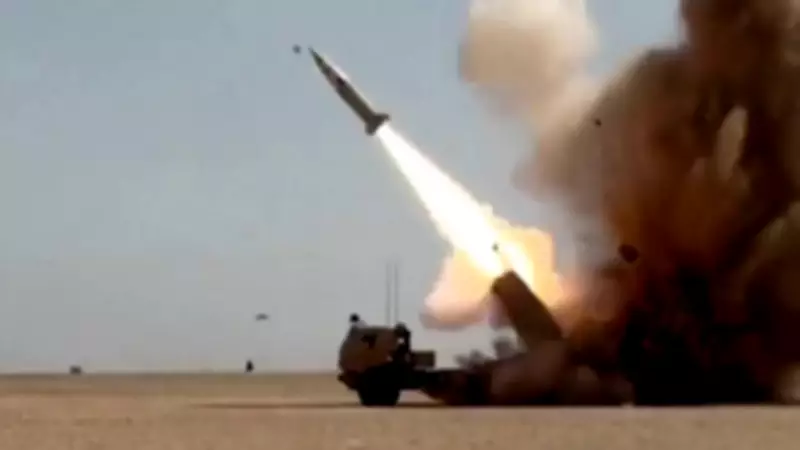
The United States' military engagement with Iran has ushered in a new and unpredictable chapter of global conflict, following the targeted killing of Supreme Leader Ali Khamenei and other high-ranking Iranian officials. This operation, backed by former President Donald Trump and executed with Israeli support, occurred on Saturday, March 1, 2026, via airstrikes on Khamenei's compound in Tehran, initiating a broader assault involving missiles and drones.
Unilateral Action Sets a Dangerous Precedent
The US decision to wage war against Iran without seeking international approval or congressional endorsement establishes a perilous precedent for the unilateral use of force in foreign policy. This move, coming shortly after a US raid in Venezuela, lowers the threshold for nations to justify military strikes against sovereign states, potentially destabilizing global security. As Rob Johnson, head of the Changing Character of War Centre at Oxford University, notes, "We are in an era of great power politics and this is what it looks like."
Global Implications and Shifting Alliances
Three critical global implications have emerged from this conflict. Firstly, the lack of condemnation from Western allies like the UK and NATO, due to their shared disdain for the Iranian regime, undermines the West's ability to criticize similar actions by adversaries. For instance, Russian President Vladimir Putin may now dismiss Western critiques of his invasion of Ukraine as hypocritical, while Chinese President Xi Jinping could feel emboldened to pursue aggressive measures against Taiwan.

Secondly, world leaders are reminded of the paramount importance of military strength for survival, especially for those defying dominant powers like the US. This is likely to spur increased militarization among major nations and foster closer alliances among smaller and middle powers, as highlighted by German politician Friedrich Merz at a recent security conference.
Erosion of International Order
Thirdly, the conflict signals a profound unraveling of post-World War II international rules upheld by the United Nations, which protect national sovereignty and human dignity. With Trump establishing a "Board of Peace" to rival the UN, the longstanding global order faces unprecedented challenges, raising questions about future diplomatic frameworks.
Uncertain Future for Iran and Beyond
In Iran, the regime is reeling from Khamenei's death and has vowed significant retaliation, though initial responses have been weaker than expected. Trump has portrayed the mission as a success, but history warns of the perils of foreign intervention. The long-term consequences of decapitating Iran's leadership remain uncertain, with potential ripple effects across the Middle East and global politics.
As the world watches, this conflict underscores the volatile nature of modern geopolitics, where unilateral actions can reshape alliances, norms, and security landscapes in unpredictable ways.