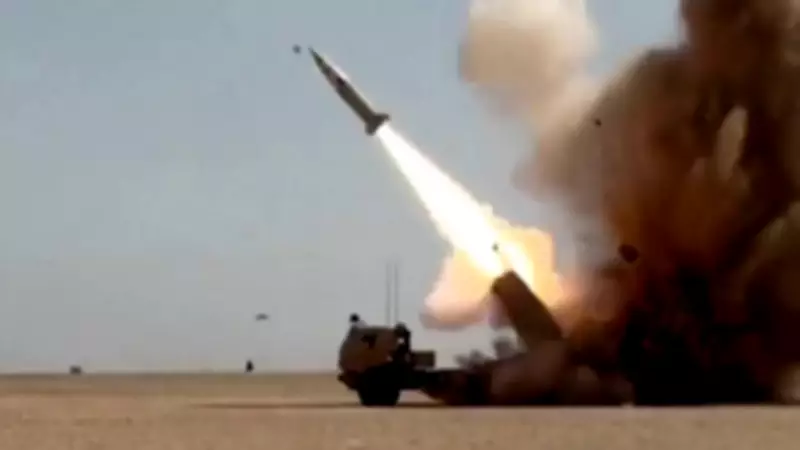
US War Against Iran Ushers in New Era of Global Conflict and Peril
The United States' military engagement with Iran signifies a profound and dangerous shift in international relations, moving away from diplomatic solutions toward a reliance on force. While America's allies may not lament the death of Supreme Leader Ali Khamenei, this conflict establishes a hazardous precedent that could reshape how nations address disputes in the future.
Unilateral Action and Its Global Repercussions
The decision by the US to initiate war with Iran without seeking international consensus or congressional approval sets a troubling example for the unilateral use of military power to achieve foreign policy objectives. This approach not only undermines global stability but also emboldens other world leaders to consider similar aggressive tactics.
Rob Johnson, head of the Changing Character of War Centre at Oxford University, emphasized the gravity of this shift, stating, "We are in an era of great power politics and this is what it looks like." The consequences of this move are still unfolding, but several critical implications are already evident.

Erosion of International Norms and Diplomatic Credibility
First, the intervention complicates the West's ability to criticize similar actions by adversaries. For instance, leaders like Vladimir Putin may now dismiss condemnation of Russia's invasion of Ukraine as hypocritical, given the lack of international backlash against the US-led strikes in Iran. This dynamic weakens the moral authority of Western nations and could lead to increased global tensions.
Additionally, Chinese President Xi Jinping is likely observing these events closely, potentially feeling more empowered to pursue forceful measures against Taiwan. The reduction in diplomatic thresholds for military action threatens to destabilize regions worldwide.
Renewed Emphasis on Military Strength and Alliances
Second, world leaders are gaining a clearer understanding of the necessity of military prowess for survival. In a landscape dominated by US military superiority under Donald Trump, there is a push toward greater militarization among powerful nations. Smaller and middle powers may feel compelled to form tighter alliances to counterbalance this trend, as noted by German politician Friedrich Merz at a recent security conference.
Challenges to the Post-World War II International Order
Perhaps most significantly, this conflict highlights the unraveling of international rules established after World War II and upheld by the United Nations. These norms are designed to protect national sovereignty and human dignity, but they face unprecedented challenges with Trump's creation of a rival "Board of Peace." The old world order appears increasingly fragile, raising concerns about future global governance.
Uncertain Future for Iran and Global Stability
As Iran grapples with the loss of its leader and vows retaliation, the situation remains highly unpredictable. While Trump portrays the mission as a success, history warns of the perils of foreign intervention. The long-term consequences of decapitating the Iranian regime will only become clear over time, potentially leading to prolonged conflict and regional instability.
This development underscores a critical juncture in international affairs, where the preference for missiles over diplomacy could make the world a far more dangerous place for all nations involved.