US and Israel Launch Coordinated Strike on Iranian Vessels in Strait of Hormuz
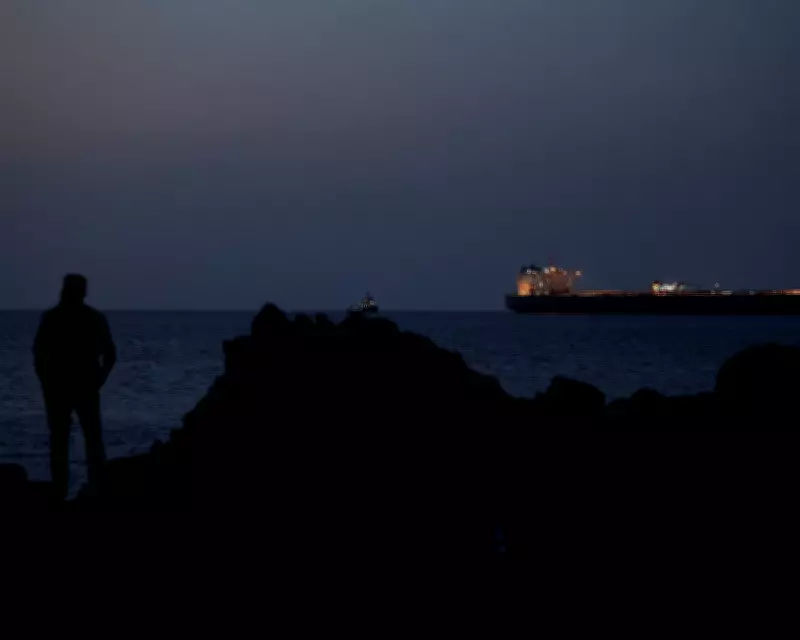
In a significant escalation of regional tensions, the United States and Israel have conducted a joint military operation targeting Iranian boats in the Strait of Hormuz. This strategic waterway, a critical chokepoint for global oil shipments, has become the focal point of a rapidly intensifying Middle East crisis. The attack, which occurred earlier today, marks a dramatic shift in the longstanding geopolitical standoff between Western allies and Iran.
Details of the Military Operation
According to military sources, the operation involved precision strikes by US naval forces and Israeli defense units against multiple Iranian vessels suspected of engaging in hostile activities. The Strait of Hormuz, through which approximately one-fifth of the world's oil passes daily, has been a flashpoint for maritime confrontations. This coordinated assault represents a direct response to what US officials describe as "provocative maneuvers" by Iranian naval assets in international waters.
Implications for Global Oil Markets
The immediate aftermath of the attack has sent shockwaves through global energy markets. Oil prices surged by over 5% in early trading as traders reacted to the heightened risk of supply disruptions. Analysts warn that any prolonged closure or instability in the Strait of Hormuz could trigger a severe oil crisis, potentially leading to fuel shortages and economic turmoil worldwide. The Biden administration has assured allies that contingency plans are in place to mitigate supply chain impacts, but market volatility remains a pressing concern.

Regional Security and Diplomatic Fallout
This military action has significantly strained diplomatic relations across the Middle East. Iran has condemned the attack as an "act of aggression" and vowed to retaliate, raising fears of a broader regional conflict. Neighboring Gulf states, including Saudi Arabia and the United Arab Emirates, have expressed deep concern over the escalating violence. The United Nations Security Council is expected to convene an emergency session to address the crisis, with calls for de-escalation and renewed diplomatic efforts to prevent further hostilities.
Historical Context and Strategic Significance
The Strait of Hormuz has long been a strategic battleground in US-Iran relations, with numerous incidents of maritime tension over the past decade. This latest attack underscores the fragile security architecture in the Persian Gulf and highlights the complex alliance dynamics involving Israel. Experts note that the operation reflects a hardening of US policy toward Iran, potentially signaling a more confrontational approach in future engagements. The involvement of Israeli forces adds another layer of complexity, given Tehran's longstanding hostility toward the Jewish state.
Future Outlook and Risk Assessment
As the situation continues to evolve, security analysts are closely monitoring several key factors:
- Iranian Response: The nature and scale of any retaliatory measures from Tehran.
- Oil Supply Stability: The ability of alternative shipping routes to compensate for disruptions.
- Alliance Cohesion: The unity of Western and regional partners in supporting the US-Israel action.
- Diplomatic Channels: The potential for backchannel negotiations to prevent further escalation.
The international community faces a critical juncture in managing this crisis, with profound implications for global energy security and Middle East stability.