US-Israel War on Iran: A Clash of Assumptions and Endurance
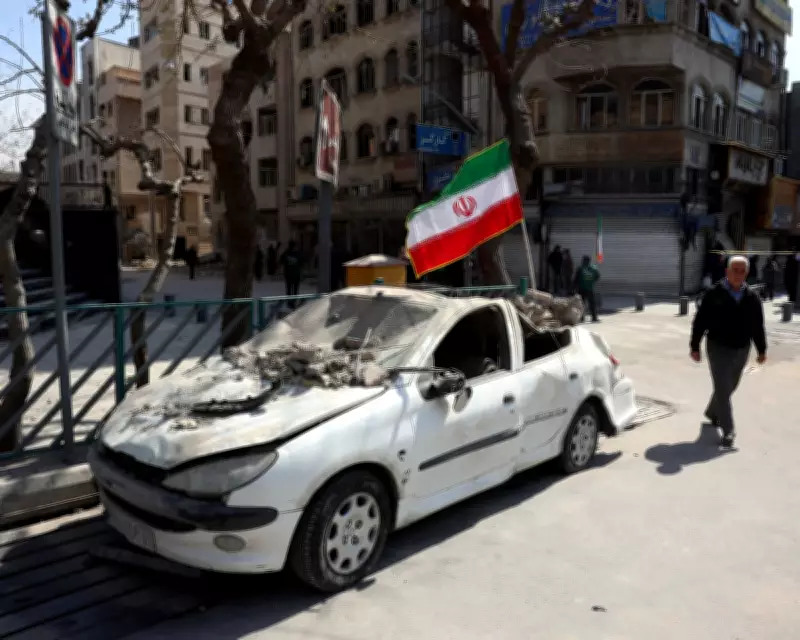
On 28 February, the United States and Israel launched coordinated military strikes against Iran, structuring the campaign as a textbook air war. The operation targeted Iranian air defences, missile factories, drone infrastructure, naval assets, and senior commanders, aiming to dismantle retaliatory capabilities and disorient Tehran's decision-making. From an operational standpoint, the advantages are clear: open skies allow for cheaper munitions, and decapitating leadership can induce internal chaos through succession struggles and degraded coordination.
The Flawed Caricatures of Iranian Governance
For decades, US policy has oscillated between two simplistic views of Iran: a messianic theocracy indifferent to costs or a brittle dictatorship on the verge of collapse. In reality, Iranian governance under Ayatollah Ali Khamenei blends revolutionary ideology with pragmatic survival instincts. The 2015 nuclear deal exemplifies this, where public anti-US rhetoric coexisted with private negotiations to alleviate sanctions pressure. Tehran has consistently used confrontation and negotiation as parallel tools, always tethered to regime preservation, undermining the assumption that military pressure alone will force capitulation or collapse.
Iran's Strategy of Endurance and Friction
Unable to match US and Israeli military power symmetrically, Iran has adopted a strategy focused on endurance and cumulative friction. Its limited drone and missile strikes across the Gulf target not only Israel but also US bases and commercial infrastructure, stretching adversaries across multiple fronts and raising economic and psychological costs. This measured tempo aims to preserve residual capabilities and pace the conflict, betting on a long war where restraint serves as preparation for future escalation. The conflict thus becomes a contest between Iran's endurance and the US-Israel reliance on overwhelming force to preempt attrition.

Risks of Miscalculation and Regional Fallout
The campaign's deeper risk lies in miscalculating Iran's internal resilience and regional implications. The Islamic Revolutionary Guard Corps is not just a military entity but an economic and political pillar, making it difficult to dismantle through airpower alone. Internally, many Iranians oppose the regime but fear state collapse and chaos, complicating hopes for an uprising. Regionally, Iranian instability could spill into fragile neighbours like Iraq and escalate tensions with Turkey over Kurdish issues. Moreover, Iran's isolated position, without external support like Ukraine, and its economic and environmental crises add unpredictability, potentially leading to broader regional conflict.
Ultimately, this war may not break Iran, but it risks exporting disorder and deepening losses for all parties involved.