

US Military Announces Third Deadly Boat Strike in Four Days, Killing Four in Eastern Pacific
The US military has confirmed that it killed four more individuals in a boat strike in the eastern Pacific Ocean on Tuesday, marking the third such deadly attack on vessels in the region within just four days. This latest incident brings the total number of fatalities from these strikes to at least 174 since September, according to official statements.
Military Claims Targets Were "Narco-Terrorists" Without Providing Evidence
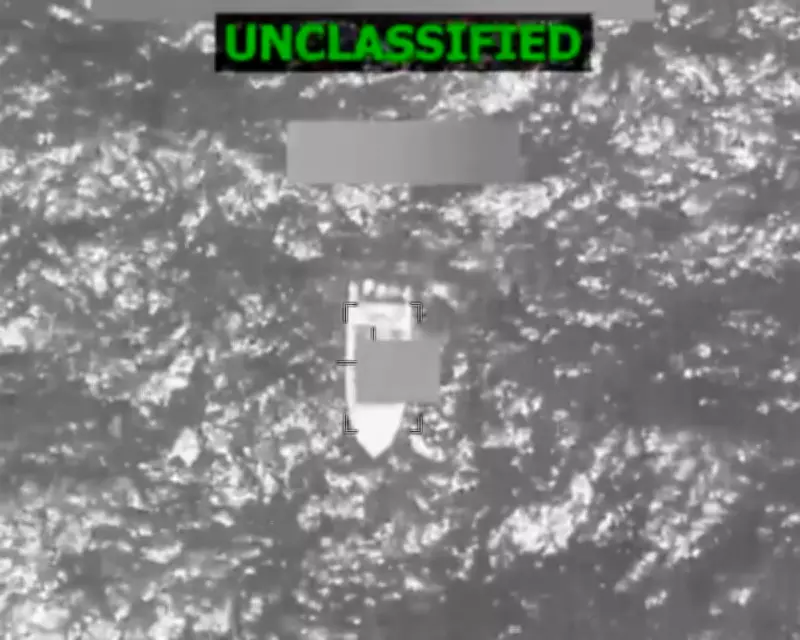
In a social media post, the US Southern Command, which oversees military operations in Latin America and the Caribbean, announced the killings, asserting without evidence that the men killed were "narco-terrorists." The post included a blurry aerial video showing a boat exploding, accompanied by a statement alleging that "intelligence confirmed the vessel was transiting along known narco-trafficking routes." This language closely mirrors previous alerts, including one on Monday that reported two deaths and another on Sunday that claimed five lives with one survivor.
Military officials have consistently alleged that the targets of these lethal boat strikes were "engaged in narco-trafficking operations," but they have not presented specific intelligence or details to substantiate these claims. Legal experts and human rights advocates have repeatedly condemned the strikes as extrajudicial killings, arguing they violate both US and international law by executing civilians accused of crimes without due process.

Legal Challenges and Human Rights Concerns Mount
The strikes have sparked significant legal and ethical debates. In January, lawyers filed a federal lawsuit against the US on behalf of the families of two men from a fishing village in Trinidad who were killed in an October strike in the Caribbean. The lawsuit contends that the "premeditated and intentional killings lack any plausible legal justification." The American Civil Liberties Union (ACLU) has also criticized the administration, stating in December that investigations have shown some victims were fishermen merely trying to support their families, contrary to the military's unsubstantiated claims.
Former President Donald Trump has sought to justify the attacks by claiming the US is engaged in an "armed conflict" with Latin American cartels. However, United Nations officials have countered that international humanitarian law does not permit the US to kill individuals accused of drug trafficking, especially without evidence that they posed an imminent threat to others. Last month, Democratic representatives Joaquin Castro and Sara Jacobs wrote to the Inter-American Commission on Human Rights, raising alarms about the killings and noting that the names and nationalities of most victims remain unknown, describing the actions as "a prolonged campaign of extrajudicial killings, or, in simple terms, murders."
Ongoing Scrutiny and Calls for Accountability
As the death toll continues to rise, the US military's boat strike campaign faces increasing scrutiny from both domestic and international bodies. Critics argue that the administration is attempting to set a dangerous precedent by redefining civilians as "combatants" to justify killings and grant immunity to officials. The lack of transparency and evidence in these cases has fueled calls for greater accountability and adherence to legal standards in military operations.






