

US Naval Blockade of Iranian Ports Takes Effect After Deadline Passes
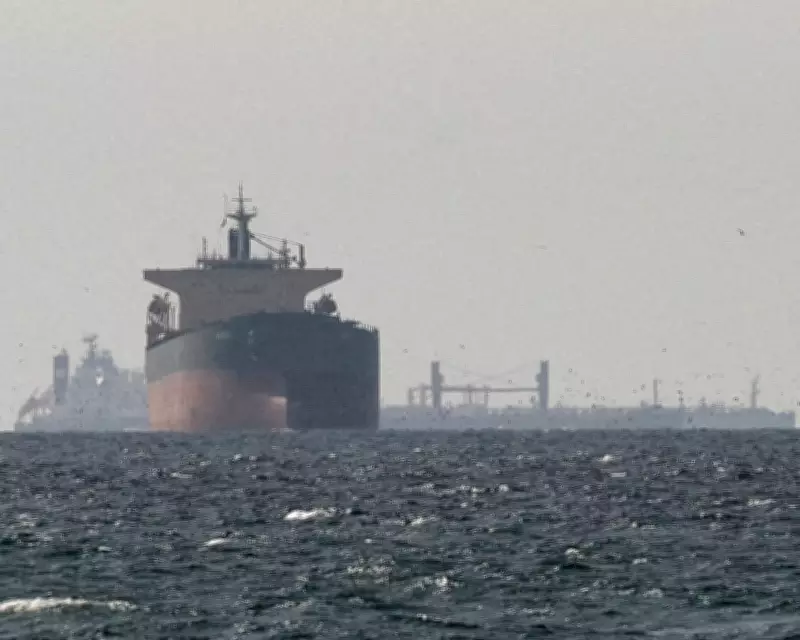
The United States has officially commenced a naval blockade targeting vessels entering or departing Iranian ports and coastal areas, marking a significant escalation in the six-week-old conflict between the US-Israeli coalition and Iran. The blockade, which began on Monday evening Iranian time, transforms the military confrontation into a critical test of economic endurance for both nations.
Blockade Implementation and Economic Impact
US Central Command (Centcom) did not issue a formal announcement regarding the blockade's initiation but confirmed it would apply specifically to ships using Iranian ports while allowing vessels accessing non-Iranian ports to proceed unimpeded. The economic consequences are substantial, with former US treasury official Miad Maleki estimating the blockade could cost Iran approximately $276 million daily in lost exports and disrupt $159 million in daily imports, totaling nearly $13 billion in monthly economic damage.
Iranian officials have responded with warnings about the blockade's impact on global energy markets. Parliamentary speaker Mohammad Bagher Ghalibaf taunted Americans about potential fuel price increases, suggesting they should "enjoy the current pump figures" before facing significantly higher costs. Since the conflict began on February 28, average US gasoline prices have already risen from $2.98 to $4.13 per gallon, with oil prices climbing back above $100 per barrel following diplomatic breakdowns.

Military Posturing and Regional Security Concerns
The blockade enforcement appears concentrated east of the Strait of Hormuz in the Gulf of Oman, positioning US naval forces beyond easy range of Iranian missiles and drones. Questions remain about enforcement methods, particularly regarding oil tankers attempting to breach the blockade. While missile attacks could create environmental disasters, US forces might instead board and seize control of non-compliant vessels.
President Donald Trump has issued stark warnings about Iranian military responses, stating any Iranian attack boats approaching US vessels would be "immediately eliminated" using tactics previously employed against suspected narco-trafficking vessels in Caribbean and eastern Pacific waters. Iranian military spokesperson Ebrahim Zolfaghari countered with threats of regional escalation, warning that "no port in the Persian Gulf and the Sea of Oman will be safe" if Iranian ports face threats.
Diplomatic Fallout and International Reactions
The blockade follows failed US-Iranian talks in Islamabad that concluded after 21 hours without agreement. The strategy aims to pressure Iran's oil-dependent economy into accepting US demands regarding Strait of Hormuz access and uranium enrichment restrictions. Despite Trump's claims of international support for the blockade, no allied nations have committed naval forces to the effort.
UK Prime Minister Keir Starmer explicitly rejected British involvement, stating "we are not getting dragged into the war." Germany, Spain, Italy, Poland, and Greece have similarly ruled out naval support. French President Emmanuel Macron proposed a post-conflict multinational mission to restore navigation freedom in the Hormuz strait, while European Commission President Ursula von der Leyen emphasized the "paramount" importance of maintaining shipping access through the critical waterway.
Religious and Political Dimensions
The conflict has expanded into unexpected diplomatic territory, with Iran inserting itself into Trump's ongoing dispute with Pope Leo XIV. Iranian President Masoud Pezeshkian condemned what he called the "desecration of Jesus" following Trump's posting of an AI-generated image depicting himself in Christ-like attire. The pope responded by reaffirming his commitment to peace advocacy while declining to debate Trump directly about Iran policy.
As the situation develops under a Pakistani-brokered ceasefire that began last Wednesday, maritime authorities have issued advisories urging heightened situational awareness for vessels navigating the region. The blockade represents a pivotal moment in the conflict, with potential ramifications extending far beyond military engagements to global energy markets, diplomatic relationships, and regional stability in the Middle East.






