US Coast Guard Extracts Tanker Officers from UK Jurisdiction After Court Hearing
The captain and first officer of a Venezuela-linked oil tanker, captured by American forces, have been removed from United Kingdom territory by the US Coast Guard, as confirmed during a recent court session in Scotland. This development follows a series of legal manoeuvres and highlights the complexities of international maritime law and jurisdiction.
Seizure and Relocation of the Marinera Tanker
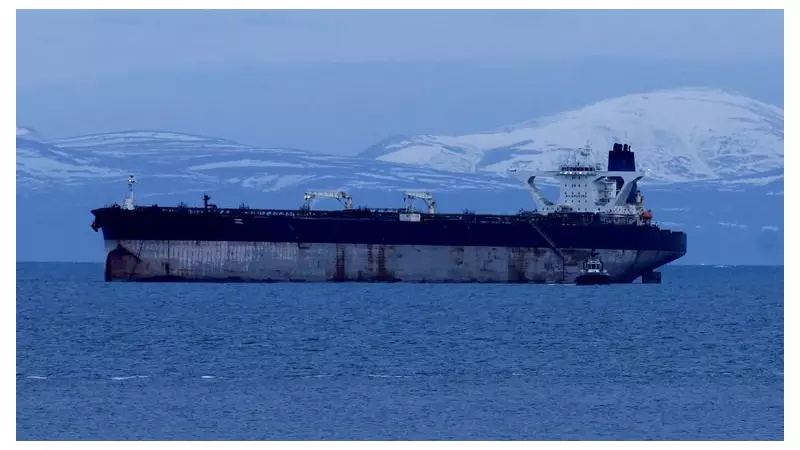
The Russian-flagged vessel, named Marinera and previously known as Bella 1, was initially seized on 7 January off the coast of Iceland. Subsequently, it was moved to the Moray Firth, located in the Scottish Highlands, placing it within UK waters. This relocation set the stage for a legal dispute involving multiple parties, including the vessel's crew and international authorities.
Legal Proceedings in the Court of Session
On Monday, lawyers representing Natia Dzadzama, the wife of Captain Avtandil Kalandadze, filed a petition with the Court of Session in Edinburgh. They sought an emergency order to prevent the removal of the ship and its personnel from the jurisdiction of the Scottish court. In response, Lord Young issued an interim interdict during a late-night hearing, barring Scottish officials or their representatives from removing the captain and crew.

However, this order was recalled on Tuesday after it was revealed that the captain and first officer had already departed UK waters. Solicitor General Ruth Charteris KC, acting for the Lord Advocate and Scottish ministers, informed the court that the two officers were aboard the US Coast Guard vessel Munro and had left the United Kingdom's territorial sea. This confirmation came via an email from the Department of Justice received early in the morning, solidifying their status outside the court's jurisdiction.
Status of Remaining Crew Members
The court, conducting proceedings virtually, also addressed the situation of the other 26 crew members. These individuals have disembarked from the Marinera and were processed at an army reserve centre in Inverness. According to Police Scotland, none have applied for asylum. Five express a desire to travel to the United States, while the remaining 21 wish to return to their respective homes. Currently, they are accommodated at a hotel in Elgin, Moray, with hopes that their travel plans can proceed smoothly.
Assurances and Withdrawal of Legal Assistance
Solicitor General Charteris emphasised that Scottish ministers and the Lord Advocate have never detained or controlled the crew, captain, or first officer, and no arrests were made by Scottish authorities. The Lord Advocate had received a request for mutual legal assistance from US authorities on 16 January, which was granted under specific conditions to ensure the crew's safety and wellbeing, including bringing all 28 individuals ashore to Scotland.
However, this request was withdrawn on Sunday and confirmed in writing the following day, effectively nullifying any ability for Scottish authorities to intervene. This withdrawal played a crucial role in the unfolding events, as it removed legal grounds for continued jurisdiction over the individuals involved.
Criticism and Allegations of Covert Actions
Solicitor Aamer Anwar, representing Ms Dzadzama, criticised the removal of the captain and first officer, describing them as being "whisked away under the cover of darkness". He argued that this action could not have occurred without the knowledge and cooperation of United Kingdom authorities, raising concerns about transparency and legal oversight. Anwar also noted the troubling timing, coinciding with court hearings regarding foreign state immunity from interim interdicts, a matter supported by Supreme Court authority in submitted arguments.
This case underscores ongoing tensions in international maritime enforcement and the intricate balance between national security interests and legal protections for individuals caught in cross-border disputes.