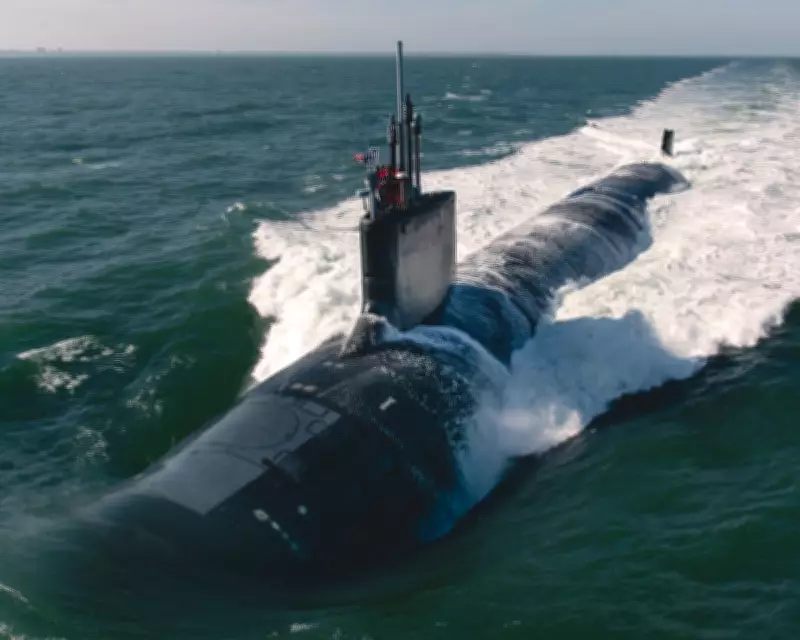
US Congressional Report Explores Option to Halt AUKUS Nuclear Submarine Deliveries to Australia
A recent report from the United States Congress has sparked significant debate by exploring the possibility of not delivering any nuclear-powered submarines to Australia as part of the AUKUS defence pact. This development raises critical questions about the future of the trilateral agreement between the US, UK, and Australia, which was established to enhance security cooperation in the Indo-Pacific region.
Background and Implications of the AUKUS Pact
The AUKUS agreement, announced in 2021, is a landmark defence and security partnership aimed at countering growing geopolitical tensions, particularly from China. A central component of this pact involves the transfer of nuclear submarine technology from the US and UK to Australia, enabling Canberra to acquire a fleet of advanced, stealthy submarines. This move is intended to bolster Australia's naval capabilities and strengthen allied deterrence in strategic waters.
However, the congressional report suggests that logistical, financial, and strategic challenges might prompt a reconsideration of this commitment. Delays in production, escalating costs, and concerns about technology sharing have all been cited as potential factors influencing this exploratory option.

Key Findings from the Congressional Analysis
The report, which has not been publicly released in full but has been summarised in media outlets, outlines several reasons why the US might opt out of delivering the submarines:
- Production Bottlenecks: The US submarine industrial base is already under strain, with existing orders for the US Navy potentially delaying Australian deliveries by years.
- Financial Burdens: The estimated cost of the submarine programme has ballooned, raising questions about affordability for both the US and Australia.
- Strategic Reassessment: Some lawmakers argue that resources might be better allocated to other defence priorities, given evolving global threats.
- Technology Security: There are ongoing debates about the risks associated with sharing sensitive nuclear propulsion technology, even with a close ally like Australia.
Reactions and Potential Consequences
This development has elicited strong reactions from defence analysts and policymakers. Proponents of AUKUS warn that backtracking on submarine deliveries could undermine the pact's credibility and weaken allied cohesion in the Indo-Pacific. Conversely, critics suggest it might force a more realistic appraisal of defence spending and strategic goals.
If the US decides not to proceed with the submarine transfers, it could lead to:
- A renegotiation of the AUKUS terms, possibly focusing on alternative forms of military cooperation.
- Increased pressure on the UK to fulfil its commitments under the pact, potentially straining its own defence capabilities.
- A reassessment of Australia's defence strategy, which has heavily relied on the AUKUS submarines to modernise its navy.
In summary, while the congressional report does not represent an official policy change, it highlights the complexities and uncertainties surrounding the AUKUS agreement. As discussions continue, the future of this pivotal defence partnership remains in flux, with significant implications for global security dynamics.