Historic Three-Way Summit Set for Abu Dhabi as War Enters New Phase
In a significant diplomatic development, delegations from the United States, Ukraine and Russia are preparing for their first trilateral meeting since the conflict began in 2022. The talks, scheduled to take place in Abu Dhabi on Friday, mark a potentially pivotal moment in the ongoing war that has devastated Ukraine and reshaped European security architecture.
Late-Night Kremlin Discussions Pave Way for Dialogue
The breakthrough follows intensive late-night discussions at the Kremlin between Russian President Vladimir Putin, US envoy Steve Witkoff and Jared Kushner, former President Donald Trump's son-in-law. Kremlin diplomatic adviser Yuri Ushakov described these preliminary talks as "useful in every respect" and confirmed the subsequent Abu Dhabi meeting would focus on security issues through a trilateral working group.
While full details of the United Arab Emirates discussions remain undisclosed, Ukrainian President Volodymyr Zelenskyy has indicated the negotiations will span two days. The format raises questions about whether Russian and Ukrainian officials will engage in direct face-to-face discussions or maintain separate dialogues mediated by American representatives.

Key Players and Sticking Points in Complex Negotiations
The American delegation, led by Witkoff and Kushner, is scheduled to meet with Russian representatives headed by General Igor Kostyukov, director of Russia's GRU military intelligence agency. This high-level participation underscores the seriousness with which all parties are approaching these unprecedented talks.
Several critical issues dominate the negotiation agenda:
- Territorial control in eastern Ukraine, particularly the Donetsk region where Russia demands Ukrainian surrender of remaining territory
- Ukraine's NATO aspirations, which Russia insists must be abandoned as a precondition for peace
- Post-conflict security arrangements, including potential NATO troop presence in Ukraine
- Security guarantees between Washington and Kyiv that would require ratification by both nations
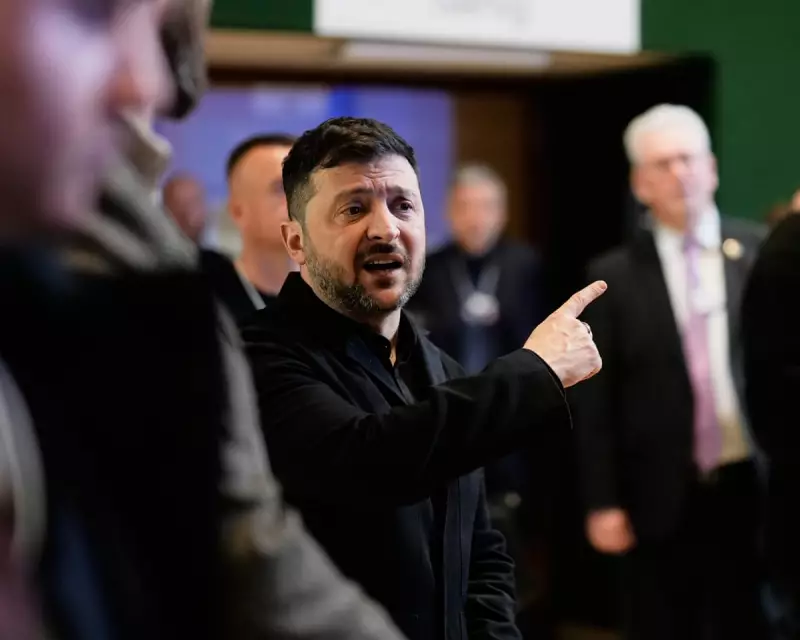
Speaking at the World Economic Forum in Davos, Zelenskyy acknowledged that peace proposals were "nearly ready" but emphasized that "Russians have to be ready for compromises because, you know, everybody has to be ready, not only Ukraine."
Diplomatic Context and European Concerns
The Trump administration has intensified its push for a settlement, with envoys shuttling between Kyiv and Moscow in what some observers worry could pressure Ukraine into accepting unfavourable terms. President Trump himself remarked that both Putin and Zelenskyy would be "stupid" if they failed to reach an agreement, while noting that "everyone's making concessions" to end the conflict.
Zelenskyy used his Davos platform to deliver blistering criticism of European leaders, accusing them of operating in "Greenland mode" by waiting for American leadership rather than taking decisive action themselves. "A year has passed, and nothing has changed," he lamented, referencing his previous warnings about European defence capabilities.
Humanitarian Crisis and Winter Challenges
The diplomatic manoeuvring occurs against a backdrop of severe humanitarian suffering in Ukraine. The country endures a bitter winter with Russian attacks on civilian infrastructure cutting power and heating to much of Kyiv and other major cities. President Trump acknowledged the dire situation, noting how "amazing" it was that Ukrainians persevere through relentless strikes and extreme cold.
As delegations convene in Abu Dhabi, the world watches whether this unprecedented trilateral format can produce meaningful progress toward ending Europe's largest armed conflict since World War II, or whether fundamental disagreements will prove insurmountable despite diplomatic efforts.