

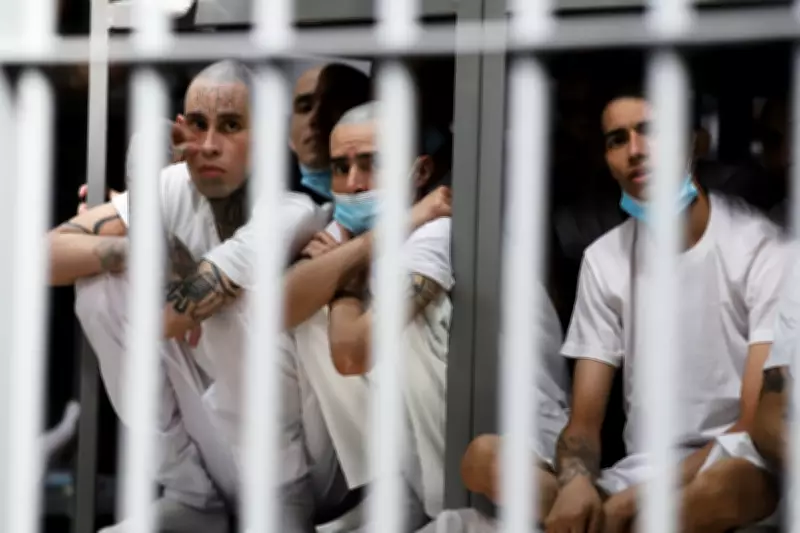
Venezuelan Deportees Detail Fresh Torture Claims at El Salvador's Cecot Mega-Prison
A group of 18 Venezuelan men, deported by the United States to El Salvador's notorious Terrorism Confinement Center (Cecot), have filed a petition demanding international accountability for alleged human rights violations, including new claims of torture, sexual assault, and medical neglect. The petition, submitted to the Inter-American Commission on Human Rights on Thursday, alleges that El Salvador violated the rights of these individuals, who were transferred to Cecot in March 2025 without charge.
Pattern of Abuse and Lasting Trauma
The men, part of a group of 288 Venezuelans and Salvadorians sent to Cecot, describe a harrowing "pattern of abuse" during their incarceration. Testimonies include accounts of beatings, humiliation, and sexual assault. One former detainee, released and returned to Venezuela in July last year, reported still bearing scars from shackles worn for extended periods, which he calls "a constant reminder of the horror I lived."
Another man detailed how loud noises, such as the clanking of keys, trigger panic attacks due to guards using the sound to torture and deprive detainees of sleep. The petition, filed by human rights groups including the Global Strategic Litigation Council, requests anonymity for the individuals, many of whom fled persecution in Venezuela and remain vulnerable upon their return.

Inhumane Conditions and Neglect
Detainees were held in windowless cells without air conditioning, forced to sleep under bright lights that remained on 24/7. They were deprived of basic necessities like food, water, and sleep, with reports of contaminated water tanks containing worms and mosquitoes. One man suffered from stomach issues and diarrhea for three out of four months at Cecot, attributing it to poor conditions.
In response to the abuse, detainees staged hunger strikes and "blood strikes," cutting their wrists, but guards and doctors allegedly ignored their pleas. The petition corroborates previous media reports, noting that many Venezuelan migrants had no criminal records and were falsely accused by the US of gang membership based on innocuous tattoos.
Legal and International Pressure
The petition calls on the Inter-American Commission to declare that the US-El Salvador transfer agreement violates human rights obligations under the American Convention on Human Rights. It demands reparations, a public apology, and resources for psychiatric rehabilitation for the former detainees. The case adds to broader legal challenges against US deportations to third countries, including Costa Rica and Panama.
Human rights groups in the US have also filed lawsuits, arguing that the Trump administration unlawfully used the 1798 Alien Enemies Act to deport Venezuelan asylum seekers. The current Salvadorian administration, led by President Nayib Bukele, faces scrutiny under a "state of exception" policy that has incarcerated 1.4% of the population without due process.
Bella Mosselmans, co-counsel on the petition, emphasized, "We are demanding accountability for them, for their families, and to ensure it never happens again." The whereabouts of 36 Salvadorians sent to Cecot remain unconfirmed, highlighting ongoing concerns over human rights abuses in the region.






