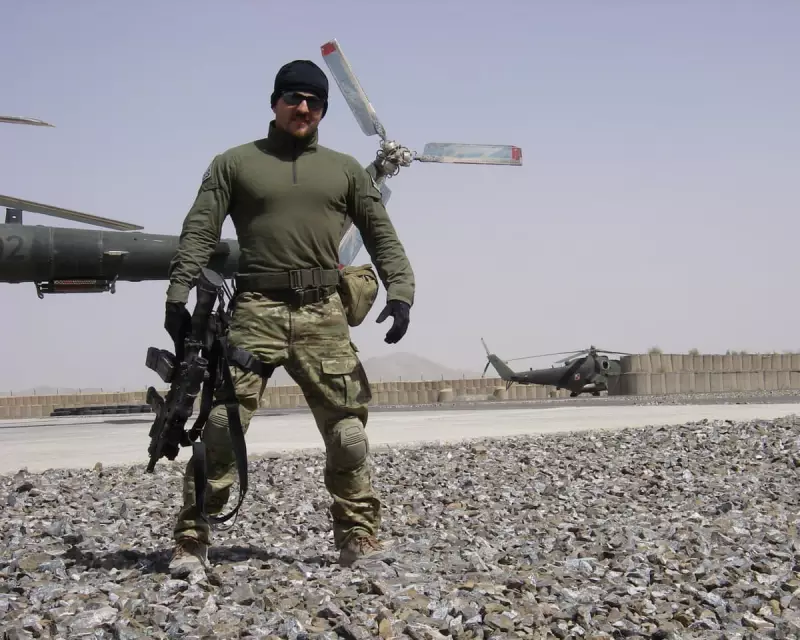
Paweł Mateńczuk, a Polish soldier who served with Nato forces in Afghanistan, has stated that Donald Trump should issue an apology to the families of veterans, especially those who lost their lives. 'If anyone is owed an apology, it’s them,' he emphasised, highlighting the profound impact of Trump's recent comments on allied troops.
Deep Cuts from a President's Words
For individuals who fought alongside American troops in conflicts such as Afghanistan and Iraq, Trump's assertions have struck a particularly painful chord. Bruce Moncur, a Canadian reservist, recounted a harrowing friendly fire incident in Afghanistan where he sustained severe head injuries, necessitating the removal of nearly 5% of his brain and a long rehabilitation to relearn basic functions. 'Our friends needed help and I and so many others answered that call. Now, my sacrifices are being thrown in my face as 'not enough',' Moncur expressed, accusing Trump of showing deep disrespect towards veterans.
Diplomatic Fury and a Partial Climbdown
Trump's claims that Nato allies 'stayed a little off the frontlines' in Afghanistan ignited a storm of diplomatic outrage. UK Prime Minister Keir Starmer condemned the remarks as 'insulting and frankly appalling,' with other global leaders echoing similar sentiments. In a rare move, Trump later praised UK troops as 'among the greatest of all warriors' on Truth Social, acknowledging the 457 British fatalities in Afghanistan. This shift reportedly followed private concerns conveyed by King Charles. However, Trump stopped short of apologising or retracting his denigration of other Nato allies' roles, leaving veterans feeling further marginalised.

The Human Cost of Alliance
The Nato alliance invoked its mutual defence clause after the 9/11 attacks, leading to the deployment of thousands of troops to Afghanistan. Over the ensuing 20-year conflict, 3,486 Nato personnel lost their lives, including 2,461 Americans. Notably, allies like Canada faced disproportionately high death rates during operations such as Operation Medusa in Kandahar. Moncur recalled solemn ceremonies for fallen comrades, where soldiers from all nations united in respect. 'All countries saluted. We showed our respect – as one,' he said, underscoring the shared sacrifices that Trump's comments seem to overlook.
Voices from Poland and the UK
Paweł Mateńczuk, a veteran of Poland's elite GROM unit deployed four times to Afghanistan, pointed out that while soldiers often remain detached from political rhetoric, the timing of Trump's remarks was particularly stinging. 'Today is the anniversary of my friend's death in Afghanistan and it's hard to just look past that,' he shared. Poland contributed over 33,000 troops to the conflict, with 44 killed in action. Mateńczuk argued that veterans seek acknowledgment, not gratitude, for their service alongside American forces. 'What we carry with us is not just the gruelling experience of active combat, but the loss of our friends,' he stated from Warsaw.
In the UK, Richard Streatfield, a former army major who commanded troops in Helmand's violent Sangin district, labelled Trump's comments as 'deeply insulting.' He highlighted that British forces suffered significant casualties, with 457 deaths and 2,000 wounded, and stressed that American comrades would be 'ashamed' of such disparagement. Streatfield also criticised Trump's policy decisions, noting that the Taliban's resurgence and subsequent hardships for Afghan women and girls stemmed from his withdrawal timetable.
A Call for Respect and Reflection
As the controversy unfolds, veterans like Moncur and Mateńczuk urge Trump to consider the immeasurable pain caused by his words. 'To see how America treats its friends now – who needs enemies?' Monquer questioned, encapsulating the betrayal felt by many. The overarching message from these Nato soldiers is clear: if you haven't served, respect those who have, and recognise the profound sacrifices made in the name of alliance and global security.