Zelenskyy Raises Alarm Over Global Attention Shift Amid Middle East Conflict
Ukrainian President Volodymyr Zelenskyy has issued a stark warning that the ongoing war in the Middle East is having detrimental effects on Ukraine's defense efforts against Russian aggression. During a speech to students at Sciences Po university in Paris on Friday, Zelenskyy emphasized that the international community's focus on the Middle East is not beneficial for Ukraine, as it diverts crucial resources and attention away from the Eastern European conflict.
Urgent Need for Anti-Aircraft Missiles Highlighted
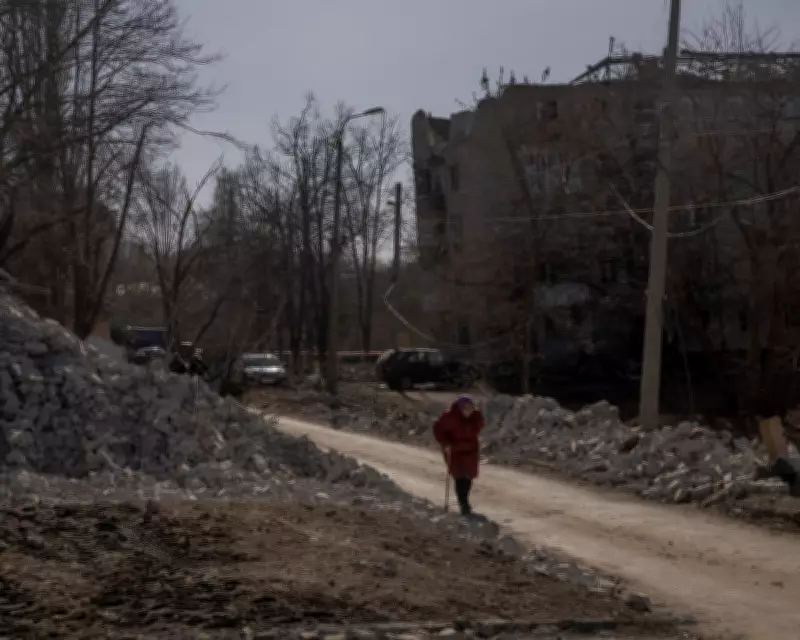
Zelenskyy specifically pointed to Ukraine's pressing requirement for anti-aircraft missiles, which are currently being utilized in large quantities in the Gulf region to counter Iranian missiles and drones. "There is nothing good for Ukraine in the war in the Middle East," Zelenskyy stated. "It's understandable that the attention of the world is moving to the Middle East. It's not good for us." This shift in global focus comes at a critical time, as Ukraine continues to face relentless Russian air attacks, including recent strikes that heavily damaged buildings in Kramatorsk.
Diplomatic Engagements and Sanctions Developments
In a significant diplomatic move, Zelenskyy met with Reza Pahlavi, the son of Iran's last shah, in Paris. The Ukrainian president urged Iran to refrain from cooperating with Russia, posting on social media platform X that Ukraine desires "a free Iran that will not cooperate with Russia or destabilize the Middle East, Europe, and the world." Pahlavi, who lives in exile in the United States, has positioned himself as a potential transitional leader for Iran should the current regime fall.

Meanwhile, the United States has temporarily eased some sanctions on Russian oil, allowing oil already aboard tankers to be sold without sanctions penalties for 30 days. This decision, announced by U.S. Treasury Secretary Scott Bessent, aims to alleviate market concerns over disruptions in Middle Eastern oil and gas supplies. However, this move inadvertently benefits Moscow by enabling continued profits from energy exports, which fund Russia's military operations in Ukraine.
Escalating Violence and Regional Impacts
Russian shelling continues to inflict casualties across Ukraine. In the Dnipropetrovsk region, one person was killed and six others wounded in attacks on two sites, according to regional governor Oleksander Ganzha. Further southeast, in the Zaporizhzhia region, governor Ivan Fedorov reported that four individuals were injured in a Russian assault near the main town. Conversely, just across the Russian border in the Belgorod region, governor Vyacheslav Gladkov confirmed one resident died due to a Ukrainian strike on a village.
Political Reprisals and International Relations
In a related development, Russia has designated Nina Khrushcheva, a 62-year-old professor at The New School in New York and great-granddaughter of former Soviet leader Nikita Khrushchev, as a "foreign agent." This label, which carries connotations of espionage, is applied by Moscow to individuals perceived as engaging in anti-Russian activities. Khrushcheva, who has continued research trips to Russia since the 2022 invasion, remarked that she was unsurprised by the designation, noting it was inevitable given the current political climate.
The U.S. has also sought to postpone the latest round of three-sided talks on a settlement to the Ukraine-Russia conflict, citing restrictions on negotiators leaving the country due to Middle East circumstances. Russia proposed alternative venues in Switzerland or Turkey, highlighting the complex diplomatic landscape influenced by global events.