

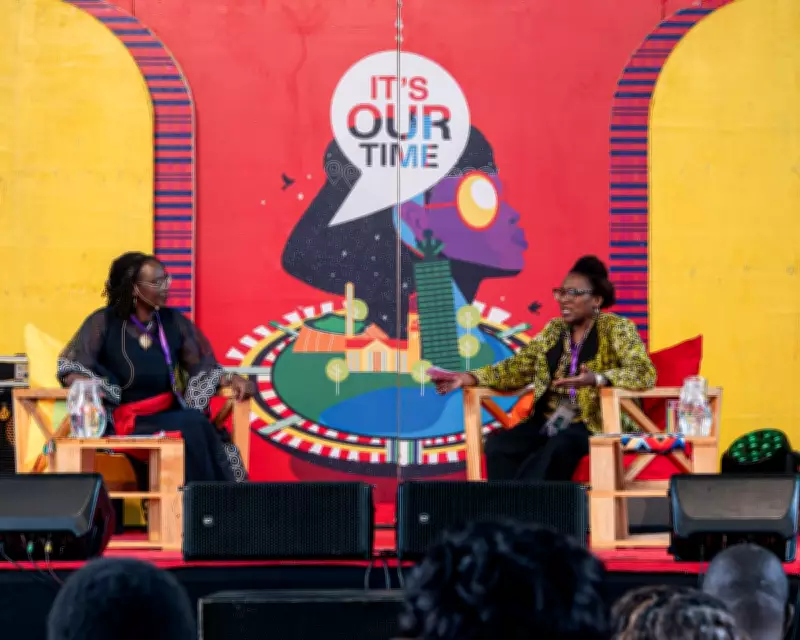
Africa's Strategic Push for Reparative Justice Gains Momentum
African nations are intensifying their campaign for reparative justice, with a renewed focus on addressing historical injustices from the colonial era. This movement, which has gained significant traction in recent years, seeks to secure compensation and acknowledgment for the profound impacts of colonialism, slavery, and exploitation.
Diplomatic and Legal Strategies
Countries across the continent are employing a multifaceted approach, combining diplomatic efforts with legal frameworks to advance their cause. Key strategies include forming coalitions within international organizations, such as the United Nations and the African Union, to amplify their voices and push for global recognition of reparative justice as a legitimate demand.
Legal avenues are also being explored, with some nations considering lawsuits against former colonial powers or advocating for the establishment of international tribunals to adjudicate claims. This legal push is supported by growing academic and historical research that documents the long-term economic, social, and cultural damages inflicted during colonial rule.

Economic and Social Dimensions
The campaign for reparative justice is not solely about financial compensation. It encompasses broader goals, such as the return of cultural artifacts looted during colonial times, investment in education and infrastructure in affected regions, and formal apologies from former colonial states. Advocates argue that these measures are essential for healing and reconciliation, as well as for addressing ongoing inequalities rooted in historical injustices.
In addition, grassroots movements and civil society organizations are playing a crucial role in mobilizing public support and keeping the issue on the political agenda. These groups often highlight personal stories and community impacts to humanize the broader historical narrative and foster empathy on a global scale.
Challenges and Future Prospects
Despite growing momentum, the campaign faces significant challenges. Resistance from some former colonial powers, legal complexities, and geopolitical tensions can hinder progress. However, proponents remain optimistic, pointing to recent successes, such as increased media coverage and support from international human rights bodies.
Looking ahead, the movement is expected to evolve, with a focus on building stronger alliances with diaspora communities and leveraging digital platforms to raise awareness. As discussions around racial justice and historical accountability continue to gain prominence worldwide, Africa's push for reparative justice is likely to remain a pivotal issue in global politics and ethics.






