

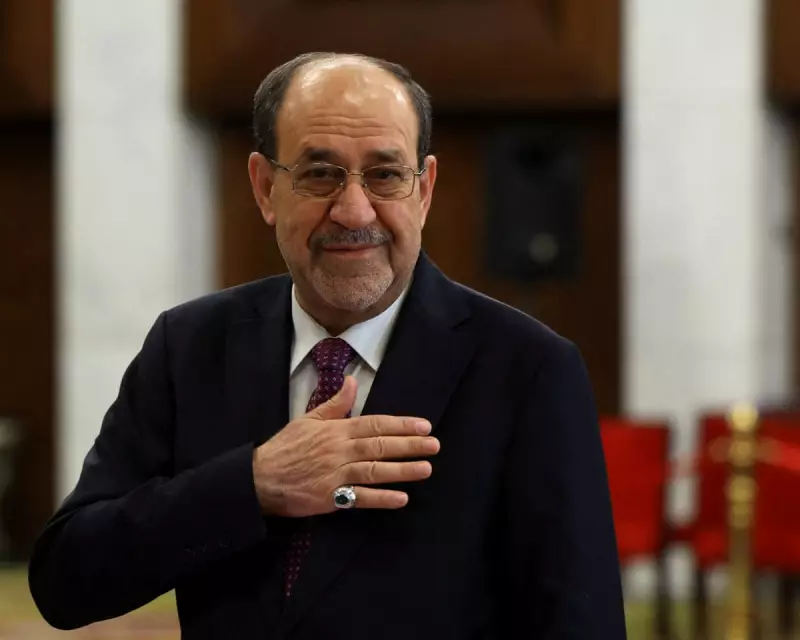
Former Iraqi Leader Slams Trump's Political Meddling as Sovereignty Violation
Iraq's former prime minister Nouri al-Maliki has issued a forceful condemnation of what he describes as "blatant American interference" in the country's electoral process. This strong rebuke comes directly in response to recent threats made by former US President Donald Trump regarding potential withdrawal of American support should al-Maliki return to power.
Strong Statement Against External Influence
In an official statement released on Wednesday, al-Maliki made his position unequivocally clear: "We reject the blatant American interference in Iraq's internal affairs and consider it a violation of its sovereignty." The former leader, who has been nominated by Iraq's dominant political coalition to potentially resume the premiership, emphasised the importance of national autonomy in political decision-making.
This diplomatic confrontation emerged following Trump's social media declaration that criticised al-Maliki's previous tenure. The former US president asserted that during al-Maliki's last period in office, "the Country descended into poverty and total chaos" due to what he characterised as "insane policies and ideologies." Trump further warned that if al-Maliki were elected again, the United States would cease its assistance to Iraq.

Broader Geopolitical Context
The exchange occurs against a complex backdrop of regional tensions and shifting alliances. Washington has been actively encouraging Iraq to maintain distance from Iran, viewing al-Maliki as maintaining excessively close ties with Tehran. This perception is particularly significant given that al-Maliki's previous term, which concluded in 2014, coincided with the dramatic rise of the Islamic State group that seized substantial territory across Iraq.
Trump's intervention in Iraqi politics arrives as he contemplates potential new military strikes against neighbouring Iran. Simultaneously, the United States has initiated the transfer of Islamic State militants from detention facilities in Syria to locations within Iraq, adding another layer to the regional security dynamic.
Domestic Political Developments
Within Iraq's internal political landscape, significant developments have been unfolding. The Coordination Framework, a substantial coalition of Shia parties representing the largest parliamentary bloc, recently named al-Maliki as their official nominee for the premiership. This nomination followed the withdrawal of caretaker Prime Minister Mohammed Shia al-Sudani, who had secured the largest share of parliamentary seats in November's elections but stepped aside earlier this month.
Al-Sudani's tenure, which began in 2022 with the Coordination Framework's backing, was marked by successful diplomatic balancing between Iran and the United States. Notably, he managed to restrain Iraqi pro-Iran militias from intervening during last year's twelve-day conflict between Israel and Iran.
Military Perspectives and Historical Context
The political discourse has drawn responses from military figures within Iraq. Abu Alaa al-Walae, commander of the Kata'ib Sayyid al-Shuhada militia, characterised Trump's statement as "blatant interference in Iraqi affairs," accusing the former US president of attempting "political assassination" of al-Maliki.
This reference connects to historical events during Trump's presidency, when he authorised a drone strike that eliminated Iranian military leader General Qassem Suleimani and Abu Mahdi al-Muhandis, deputy leader of Iraq's Popular Mobilisation Forces. This umbrella organisation includes various militias, including Iran-backed groups originally formed to combat Islamic State.
Despite the cancellation of a parliamentary session scheduled for Tuesday to elect a president - who would subsequently appoint the prime minister - due to insufficient attendance, al-Maliki has affirmed his commitment to continue standing for the premiership. He stated this decision reflects "respect for the national will and the Coordination Framework's decision," demonstrating his determination to pursue leadership despite external criticism.






