

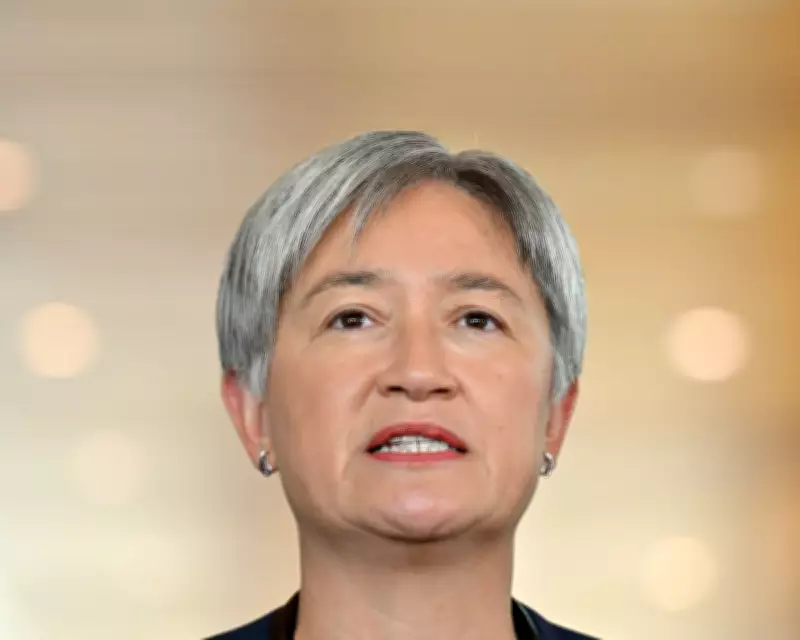
Australia Deploys Crisis Consular Teams to Middle East Amid Escalating Tensions
In a significant diplomatic move, Australia has dispatched crisis consular teams to the Middle East following recent military strikes on Iran. The deployment comes as Foreign Minister Penny Wong addressed the legal complexities surrounding the attacks, stating that the legality of these strikes is a matter for Israel and the United States to determine.
Wong's Statement on Legal Responsibility
Foreign Minister Penny Wong emphasized that Australia is not in a position to adjudicate the legal aspects of the strikes on Iran. "The legality of these actions is a question for Israel and the United States," Wong stated, highlighting the sovereign responsibilities of the nations directly involved. She underscored Australia's focus on ensuring the safety and security of its citizens in the region, rather than engaging in legal assessments of military operations conducted by other countries.
Consular Crisis Teams Activated
The Australian government has mobilized specialized consular crisis teams to provide immediate support to Australians in the Middle East. These teams are tasked with offering emergency assistance, including evacuation coordination, medical aid, and communication with families back home. The deployment reflects heightened concerns over regional instability and the potential for further escalation following the strikes on Iran.

Regional Implications and Australian Diplomacy
The situation in the Middle East has prompted Australia to take proactive measures to protect its nationals abroad. Wong's comments align with a cautious diplomatic approach, avoiding direct commentary on the military actions while prioritizing humanitarian and consular responses. This strategy aims to balance international relations with domestic responsibilities, ensuring that Australians caught in conflict zones receive timely and effective support.
Background on the Strikes
The military strikes on Iran, reportedly carried out by Israel and the United States, have intensified geopolitical tensions in the Middle East. These actions are part of broader regional conflicts involving nuclear proliferation, proxy warfare, and strategic alliances. Australia's response, through the deployment of crisis teams and diplomatic statements, highlights its role as a concerned international actor focused on citizen welfare amid global crises.
Future Outlook and Australian Policy
As the situation evolves, Australia is likely to continue monitoring developments closely, with consular teams on standby for further deployments if necessary. Wong's stance suggests that Australia will maintain a neutral position on the legality of the strikes, while actively engaging in humanitarian efforts. This approach underscores the government's commitment to safeguarding Australians overseas without entangling itself in the legal and political disputes of other nations.






