

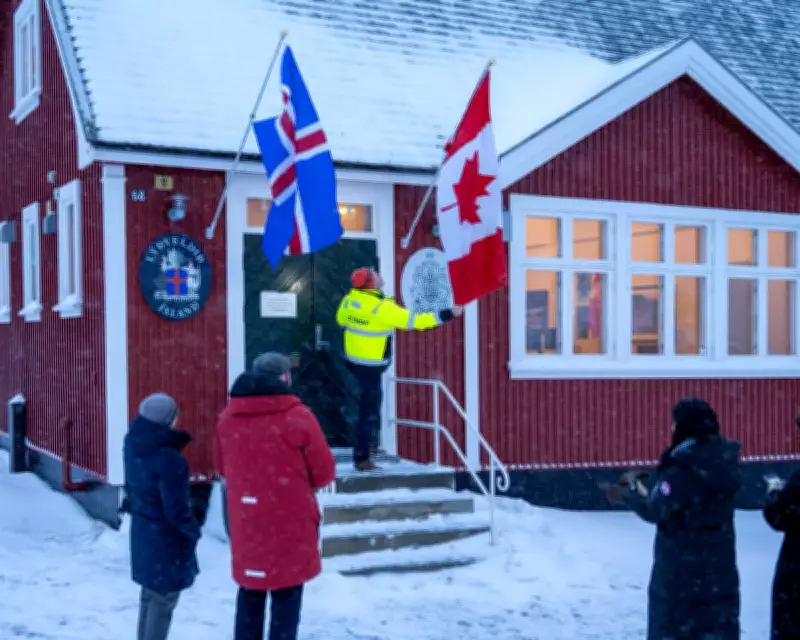
In a significant diplomatic move, Canada and France have officially opened new consulates in Greenland, reinforcing their support for Denmark in the strategically important Arctic region. This development underscores a growing international focus on Greenland's geopolitical and environmental significance.
Strengthening Ties in the Arctic
The establishment of these consulates by Canada and France marks a clear demonstration of solidarity with Denmark, which holds sovereignty over Greenland. This action is widely seen as a response to increasing global interest in the Arctic, driven by climate change and resource exploration. By opening these diplomatic outposts, both nations aim to enhance cooperation on issues such as environmental protection, indigenous rights, and sustainable development in Greenland.
Geopolitical Implications
Greenland's location makes it a key area for Arctic affairs, with melting ice opening new shipping routes and access to natural resources. The consulate openings by Canada and France signal a commitment to maintaining stability and supporting Danish authority in the region. This move may also counterbalance influence from other global powers, fostering a collaborative approach to Arctic governance.

Environmental and Economic Focus
Beyond diplomacy, the consulates are expected to facilitate joint efforts on climate action and green initiatives. Greenland faces unique challenges from global warming, including rapid ice melt and ecosystem changes. Canada and France, through their new presence, can work closely with local authorities to promote research, conservation, and eco-friendly economic opportunities, aligning with broader international goals for a sustainable Arctic.
This expansion of diplomatic infrastructure highlights the evolving dynamics in the Arctic, where nations are increasingly engaging to address both opportunities and threats. The consulates by Canada and France not only bolster Denmark's position but also pave the way for enhanced multilateral cooperation in one of the world's most sensitive regions.






