

Cuba Charges Six Exiles with Terrorism in Wake of Deadly Speedboat Attack
Cuban prosecutors have formally charged six individuals with terrorism crimes after a US-flagged speedboat was involved in a deadly shootout with Cuba's coast guard last week. The defendants, who are based in the United States, are accused of loading a boat with weapons and heading toward Cuba with the intent to destabilize the government in Havana.
Details of the Shootout and Charges
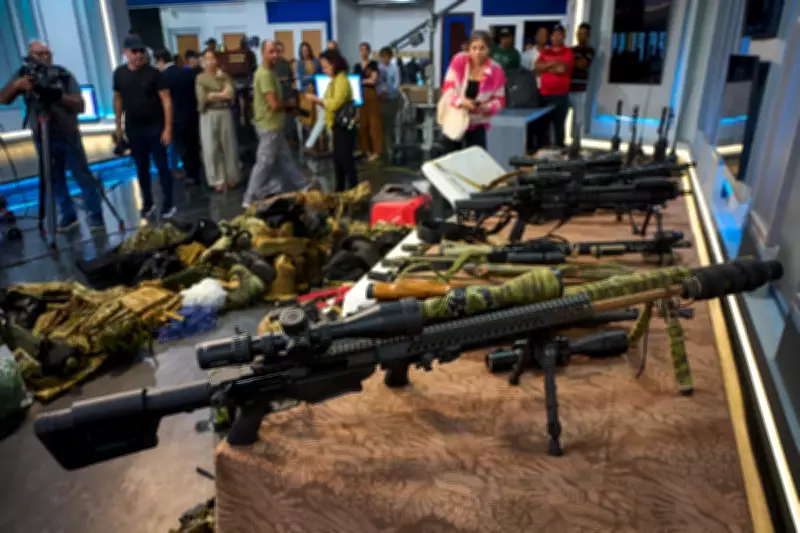
The coast guard engaged the speedboat, which came within one nautical mile of Cuba's shores on 25 February, resulting in the deaths of four people aboard. At least two of those on the speedboat were US citizens, one of whom was killed. Cuban officials allege that the infiltrators were armed with nearly 13,000 rounds of ammunition, 13 rifles, and 11 pistols, displaying the captured weapons on a special television program last Friday.
The attorney general's office stated that the defendants will be "remanded into provisional detention," with no further updates on the condition or whereabouts of the wounded detainees. This incident occurs amid heightened tensions between the US and Cuba, as Washington has effectively halted all oil shipments to the island while demanding political and economic reforms.

Background and International Reactions
Cuba's interior ministry claims the men intended to sow chaos and attack military units on the island. Prosecutor Edward Robert Campbell indicated that the accused face multiple charges, including crimes associated with terrorist acts, with potential prison terms ranging from 15 to 30 years or even the death penalty for more serious offences.
US politicians, including Secretary of State Marco Rubio, have expressed skepticism over Cuba's account, calling for independent investigations and denying any US government involvement. Last week, Havana reported that Washington was willing to cooperate in the investigation. Historically, such infiltration attempts by armed commandos from South Florida were not uncommon after the Cuban revolution in 1959.
The situation underscores ongoing diplomatic strains, with the Trump administration openly advocating for regime change in Cuba. As the case unfolds, it highlights the complex and often contentious relationship between the two nations.






