Cuba's Deepening Crisis: Blackouts and Hardship Under US Oil Blockade
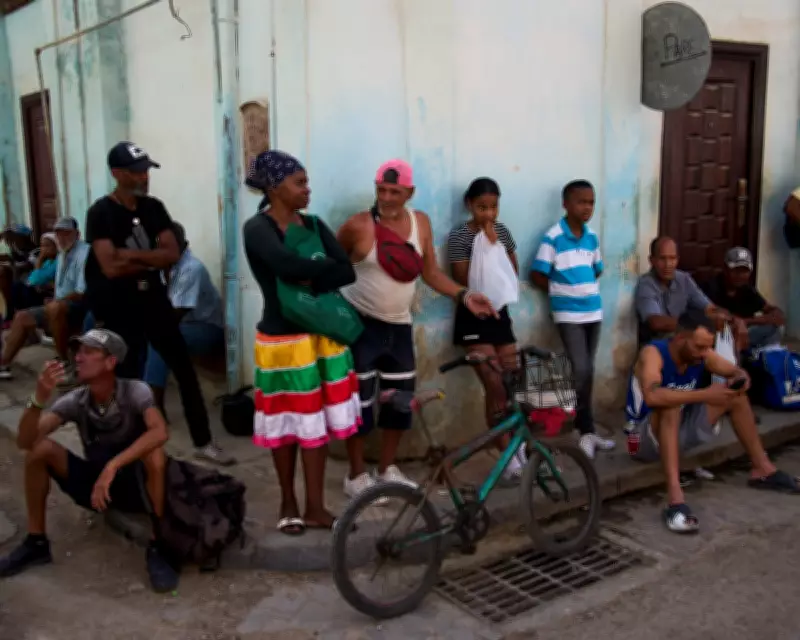
In Havana, Cuba, on 5 March 2026, long queues formed as people waited to buy bread during a widespread blackout, a stark symbol of the escalating crisis gripping the island nation. This scene, captured in a photograph by Ramón Espinosa, underscores the real hardship and resilience observed in Cuba, a key target of US regime change efforts under President Trump.
Trump's Executive Order and Its Impact
On 29 January 2026, President Trump issued an executive order declaring Cuba an "unusual and extraordinary threat" to the United States, following events in Venezuela and Iran. This order aimed to impose tariffs to halt petroleum shipments to Cuba, severely exacerbating the island's growing crisis. Cuba, which produces only one-third of its oil needs and relies on imports from Venezuela and Mexico, saw both countries cease exports after US pressure. Since early February, daily power outages have doubled to about 18 hours a day, plunging daily life into chaos.
Even some US congressional representatives have denounced these measures, highlighting the humanitarian toll. The actions represent a clear bid for regime change, echoing historical tensions but with intensified severity under Trump's policies.

A Shift from Hope to Desperation
During the Obama administration from 2014 to 2016, Cuba experienced a period of economic effervescence and hope, marked by normalised relations, surging tourism, and a boom in private businesses. However, Trump's reversal of these policies in 2017, coupled with harsh new economic sanctions, has transformed the island. On a recent trip, desperation was palpable as austerity measures took hold.
Upon landing in eastern Cuba last month, just after President Diaz-Canel announced petroleum austerity measures, the immediate effects were evident. Gasoline and diesel sales to the public ended, airline routes were cancelled, inflation surged due to higher fuel prices, and the Cuban peso weakened. Taxis sat empty, school hours were cut, large events postponed, and university students sent home, with ordinary people bearing the brunt of these policies.
Daily Hardships and Resilience
Cubans are enduring significant disruptions to their daily routines, affecting their ability to find food, travel, and communicate. For instance, the price of chicken rose from 400 to nearly 600 pesos a pound in days, making it unaffordable for those on modest government salaries. Citizens with overseas connections are organising popular kitchens to feed the neediest, but Trump-induced obstacles to international money transfers hamper these efforts. In Guantánamo City, bakeries continue operating but now rely on firewood due to fuel shortages.
With mobile phone towers lacking fuel, communication in rural areas becomes unreliable during blackouts. Cubans adapt by waking in the middle of the night when power is restored to cook, charge devices, and complete chores, a mentally and physically taxing routine that leaves them visibly strained. Despite this, Cubans insist on their resilience, though many note this crisis feels worse than the "special period" after the Soviet Union's fall, when GDP dropped 35% over three years.
Government Response and Public Unity
The Cuban government has rolled out a strategic plan to manage the crisis, including ceding state enterprises to private companies and increasing reliance on solar technology. So far, it is just about managing, but the petroleum blockade is fostering a sense of unity among citizens. Historically, economic sanctions have often backfired, harming innocent people, and this case is no exception.
During the trip, conversations with 70 to 80 people from eastern Cuba—including teachers, business owners, farmers, and community leaders—revealed widespread opposition to US measures. Even those critical of the government voiced strong resistance, with one business owner and her employees fiercely rejecting US intrusions. This reflects Cubans' resolute nationalism, a trait often overlooked by American politicians, as they have historically fought to maintain independence.

Growing Tensions and Future Outlook
Recent events have heightened tensions, such as a gunfight involving Cuban nationals on a speedboat from Florida, resulting in casualties. Trump has since floated a "friendly takeover" of Cuba, and Senator Lindsey Graham has insisted "Cuba is next," signaling potential escalation. Cubans met during the trip were heartbroken by US actions but determined to resist.
The biggest lesson from Cuban history is the nation's unwavering commitment to sovereignty, even in the face of direct opposition from the US. As the crisis deepens, with blackouts and soaring prices pushing citizens into survival mode, Cuba's resilience is being tested like never before.