

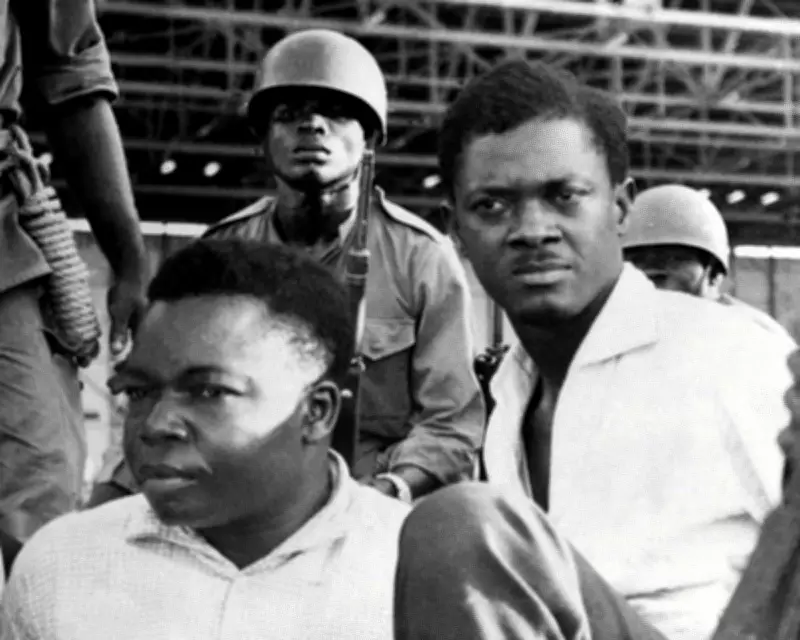
Former Belgian Diplomat, Aged 93, Stands Trial for 1961 Assassination of Patrice Lumumba
A 93-year-old former Belgian diplomat is currently facing trial for the 1961 murder of Patrice Lumumba, the first prime minister of the Democratic Republic of Congo. This landmark legal proceeding is reopening deep wounds from the colonial era, as it directly addresses Belgium's historical involvement in one of Africa's most infamous political assassinations.
Details of the Case and Historical Context
The trial centers on allegations that the ex-diplomat played a key role in the events leading to Lumumba's death in January 1961. Lumumba, a charismatic leader who advocated for Congolese independence from Belgian rule, was overthrown in a coup shortly after taking office in 1960. He was subsequently captured, tortured, and executed by firing squad, with his body later dissolved in acid to prevent any burial site from becoming a place of pilgrimage.
For decades, the circumstances surrounding Lumumba's assassination have been shrouded in secrecy and controversy. Belgium has long been accused of complicity, with historical records suggesting that Belgian officials and possibly other Western powers were involved in plotting his removal due to his anti-colonial stance and perceived alignment with the Soviet Union during the Cold War.

Significance of the Trial and Broader Implications
This trial is unprecedented, as it marks one of the few instances where a former colonial official is being held accountable in court for crimes linked to Africa's independence struggles. Legal experts note that the case could set a significant precedent for addressing historical injustices and colonial-era atrocities, potentially inspiring similar actions in other former colonies.
The proceedings are expected to delve into extensive archival evidence, including declassified documents and testimonies from historians. They highlight ongoing efforts in Belgium and Congo to reconcile with a painful past, as both nations grapple with the legacy of colonialism and its impact on contemporary relations.
Public interest in the trial is high, with many viewing it as a crucial step toward justice and transparency. Human rights organizations have praised the move, emphasizing that it acknowledges the suffering of Lumumba's family and the Congolese people, while also challenging impunity for state-sponsored violence.
As the trial unfolds, it raises important questions about accountability, memory, and the long shadow of colonialism in global politics. The outcome could influence how former colonial powers address their historical roles in conflicts and human rights abuses worldwide.






