Hungary Seizes Millions in Euros and Gold from Ukrainian Armored Convoy
In a dramatic escalation of tensions between Hungary and Ukraine, Hungarian authorities have impounded two Ukrainian armored bank vehicles carrying millions of euros in cash and gold bars. The seizure occurred as the convoy transited through Hungary, leading to the arrest of seven Ukrainian citizens accompanying the shipment.
Details of the Seizure and Arrests
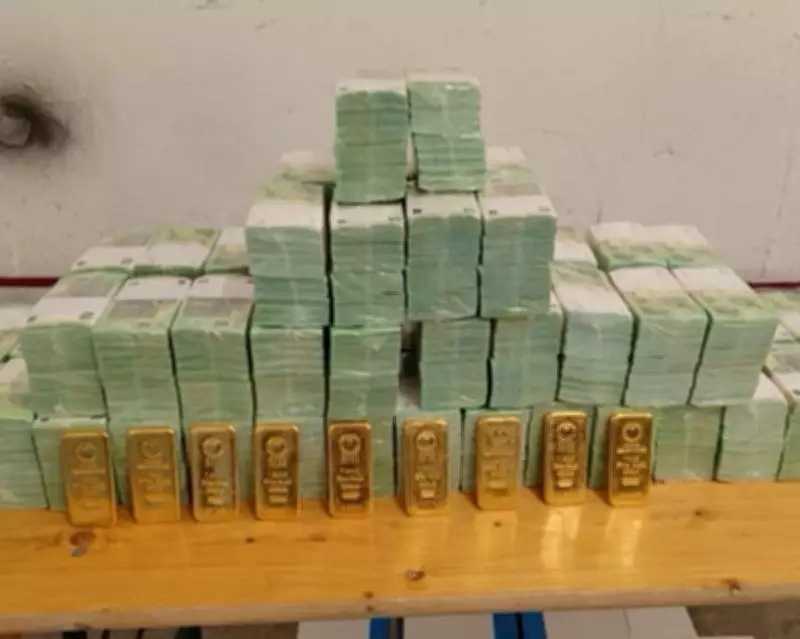
Hungary's national tax and customs administration announced that the confiscated assets included $40 million and €35 million in cash, along with 9 kilograms of gold. Officials have launched a money-laundering investigation, suggesting the funds may be of dubious origin. One of those arrested is identified as a former Ukrainian intelligence service general, raising suspicions about the convoy's purpose.
Ukrainian officials, however, have defended the shipment as a routine financial transfer. Oschadbank, Ukraine's state savings bank, stated that staff were transporting cash and gold between Austria and Ukraine by land due to air travel restrictions in Ukraine. They described it as a standard operation, but Hungarian authorities remain skeptical.

Political Tensions and Accusations
The incident has intensified an already acrimonious dispute between the two countries. Ukraine's foreign minister, Andriy Sybiha, accused Hungary of "taking hostages and stealing money," while also alleging that Hungarian President Viktor Orbán orchestrated the scandal for political gain ahead of upcoming Hungarian elections. Orbán, known for his pro-Russian stance, has faced criticism from Kyiv for his policies.
Balázs Orbán, Orbán's political director, questioned the legitimacy of the shipment on social media, stating, "Armored vehicles full of cash and gold moving across Hungary is not how legitimate financial transactions usually work. The real question is simple: who stands behind this money and what is it meant to finance?"
Broader Context of Hungary-Ukraine Relations
This seizure follows a series of disputes, including conflicts over gas supplies and EU sanctions. Hungary and Slovakia have accused Ukraine of delaying repairs to an oil pipeline damaged in a Russian drone attack. In response, Orbán vetoed additional EU sanctions on Russia and a €90 billion loan for Ukraine, further straining relations.
Ukrainian President Volodymyr Zelenskyy responded to the loan veto with provocative comments, suggesting he might share Orbán's address with Ukrainian armed forces. These remarks caused shock in Budapest and have been seen by analysts as potentially boosting Orbán's political standing by reinforcing his narrative of external threats.
Impact on Hungarian Politics
With Hungarian elections approaching, the scandal has become a focal point in the campaign. Opposition candidate Péter Magyar, who is leading in polls, was forced to defend Orbán against Zelenskyy's threats, calling for the EU to cut ties with Ukraine until an apology is issued. Analysts, such as Robert Laszlo from Political Capital, note that Zelenskyy's comments could trigger a "war psychosis" that benefits Orbán's government.
Zsuzsanna Végh of the German Marshall Fund added that Zelenskyy's threats easily played into Orbán's hands, allowing him to frame the issue as a national security concern rather than a personal attack.
Aftermath and Legal Proceedings
Hungarian officials have stated that the seven detained Ukrainians will be expelled from the country, but the fate of the seized cash and gold remains unclear. A lawyer for the detainees, Lóránt Horváth, expressed confusion over the situation, noting that it does not follow normal procedures and that he lacks information on his clients' whereabouts.
This incident underscores the deepening rift between Hungary and Ukraine, with implications for European diplomacy and internal Hungarian politics as the election nears.