

Iranian Exiles in UK Warn Starmer: War Strengthens Tehran Regime
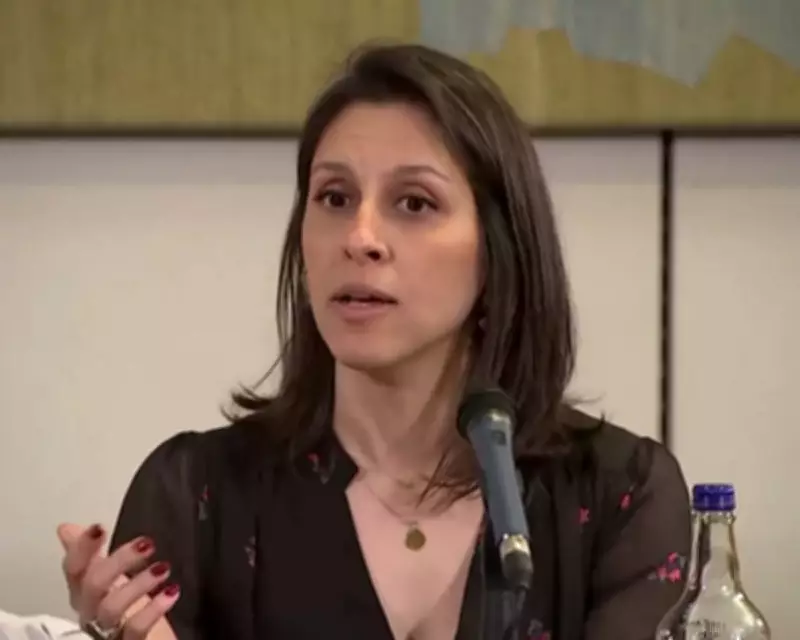
Nazanin Zaghari-Ratcliffe, the British-Iranian dual national who returned to the UK in 2022 after enduring six years of imprisonment in Iran, is among more than 100 signatories to a letter addressed to Prime Minister Keir Starmer. The letter, penned by Iranians living in the UK, urges the British leader to avoid further entanglement in the conflict with Iran, asserting that military actions are counterproductive to fostering democracy.
Counterpoint to Diaspora Support for Regime Change
The letter serves as a direct counterpoint to segments of the Iranian diaspora who back Reza Pahlavi, the exiled son of Iran's former pro-western monarch, and support attacks on Iran as a precursor to regime change. While Pahlavi has proposed leading a democratic transition, the signatories argue that external aggression only entrenches the authoritarian rule in Tehran. They emphasize that the current war strategy, led by figures like Israeli Prime Minister Benjamin Netanyahu, is strengthening the regime by perpetuating a narrative of western imperialism.
Nobody can claim to want the end of the Islamic republic more than we do, the letter states. But attacking the country in this way will have the opposite effect. It will entrench the authoritarians and give life to the fiction that has sustained them internally for decades: that they are fighting western imperialism.

Criticism of Assassination and Military Tactics
The signatories criticize the assassination of Iran's supreme leader, Ali Khamenei, who was killed along with many family members in Israeli airstrikes at the war's onset. They argue that such actions martyr leaders rather than holding them accountable for crimes, with Khamenei succeeded by his son, Mojtaba Khamenei. The letter highlights that Iranians desired justice through trials, not violent ends that bolster regime myths.
In their appeal, the group outlines peaceful alternatives to support internal opposition, including:
- Providing Starlink technology to end communications blackouts in Iran.
- Protecting political prisoners in facilities like Evin prison.
- Smuggling internet devices instead of weapons to break information barriers.
- Condemning assassination policies, even when targeting despised leaders.
Personal Stories and Broader Concerns
Other notable signatories include Aras Amiri, a former British Council worker imprisoned for three years in Evin prison, and Nasrin Parvaz, who spent eight years in Iranian jails from 1982. The letter also features high-profile artists, academics, and writers from the Iranian community. They express profound grief over the conflict, noting that many have been unable to visit Iran for years due to fears of imprisonment or worse.
The signatories reject Netanyahu's call for Iranians to rise up, arguing it presumes passivity and ignores decades of internal struggle. They also implicate the United States in the war, citing Secretary of State Marco Rubio's comments on preemptive strikes. Starmer has adjusted his policy to support limited cooperation with US attacks, citing the need to protect Gulf states, but the letter urges a shift toward pro-democracy solidarity instead.
This is of course not just Netanyahu's war, Trump and the US are a significant part of it, the letter adds, emphasizing the complex international dynamics at play.






