

Iran's Future Uncertain After Khamenei's Death Sparks Divisions
The passing of Iranian supreme leader Ayatollah Ali Khamenei has created a stark contrast in reactions, revealing a nation deeply divided between those who mourn his loss and those who celebrate it as a potential end to clerical rule and isolation from the West.
Two Irans Emerge in Wake of Leadership Loss
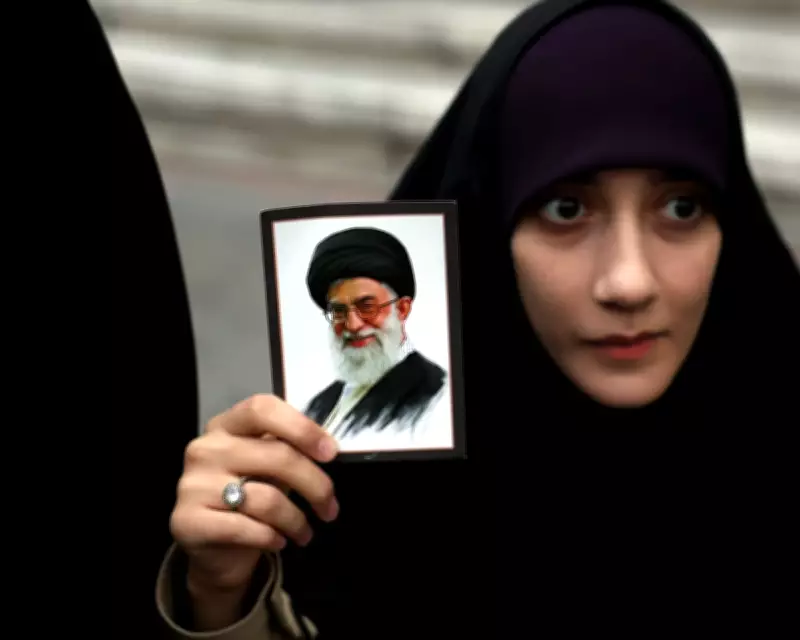
By night, scenes of dancing and jubilation erupted among Iranians hoping for political change, while by day, mourning crowds gathered in Tehran and Isfahan demanding retribution for their sacred leader's death. This visible split underscores the complex political landscape facing Iran's surviving leadership.
The regime's military power remains formidable, but questions persist about whether current leadership recognizes that inflexible pursuit of their current path could lead to chaotic collapse. The security apparatus shows no signs of fracture, drawing on deep-seated Shia Islamic traditions of resistance and perseverance.

Leadership Vacuum and Regional Tensions
The leadership losses extend far beyond Khamenei alone. The roll call of deceased officials includes Maj Gen Shahid Rezaian, head of police intelligence; Lt Gen Seyyed Abdolrahim Mousavi, armed forces chief of staff; Maj Gen Mohammad Pakpour, commander of the Islamic Revolutionary Guard Corps; Adm Ali Shamkani, supreme commander adviser; and Lt Gen Nasirzadeh, the defense minister. Many had only recently assumed their positions following previous waves of assassinations during last year's Israeli assault.
Simultaneously, Iran faces mounting regional tensions. Despite Iranian justifications for recent actions, damage to relations with Gulf partners appears more significant than physical damage inflicted on targeted US bases. The United Arab Emirates' senior diplomat Anwar Gargash warned that Iran's aggression plays into America's hands, isolating Iran at a critical moment.
Dr Ebtesam al-Ketbi, president of the Emirates Policy Centre, highlighted the disproportionate targeting, noting that Gulf countries have faced more Iranian missiles than Israel despite declared confrontations being primarily with the latter.
Domestic Politics and Succession Challenges
The surviving leadership, including figures like Ali Larijani, secretary of the supreme national council, focuses on domestic audiences, pulling patriotic strings to rally and reassure the nation. While morale runs high among protesters who risked everything calling for change, substantial crowds mourning Khamenei's death suggest no immediate prospect for the return of Reza Pahlavi, son of the last shah, to universal acclaim.
Even among reformists, hostility toward American intervention remains strong. One reformist group warned against "humanitarian intervention," stating that "foreign bombs and missiles are not messengers of democracy but seeds of destruction and dependence."
The regime has moved quickly to establish a three-strong interim leadership, with Chief of Judiciary Gholamhossein Mohseni-Ejei and Ayatollah Alireza Arafi ensuring continuity of anti-western policies. The succession process, prepared for decades, will likely favor an IRGC-oriented authoritarian figure, sending a clear message to protesters.
Broader Implications and Uncertain Future
If conflict continues without limits, as suggested by Foreign Minister Abbas Araghchi, and the Strait of Hormuz closes, Iranian society risks implosion with potential breakdown of civil order. Turkish efforts to find de-escalation pathways continue, but what's at stake extends beyond nuclear stockpiles to the entire Middle East geopolitical order.
Donald Trump and Benjamin Netanyahu have broad visions for regional transformation but lack detailed roadmaps. Trump expressed confidence that IRGC members might defect if offered immunity, though specifics remain undisclosed. When asked about potential Iranian leadership, Trump acknowledged "good options" exist without elaboration.
The coming days will prove fateful as Iran navigates this precarious transition period, balancing internal divisions, regional hostilities, and global pressures that threaten to reshape the nation's trajectory fundamentally.






