

Iraqi Official Presses Australia to Repatriate Suspected IS Fighters
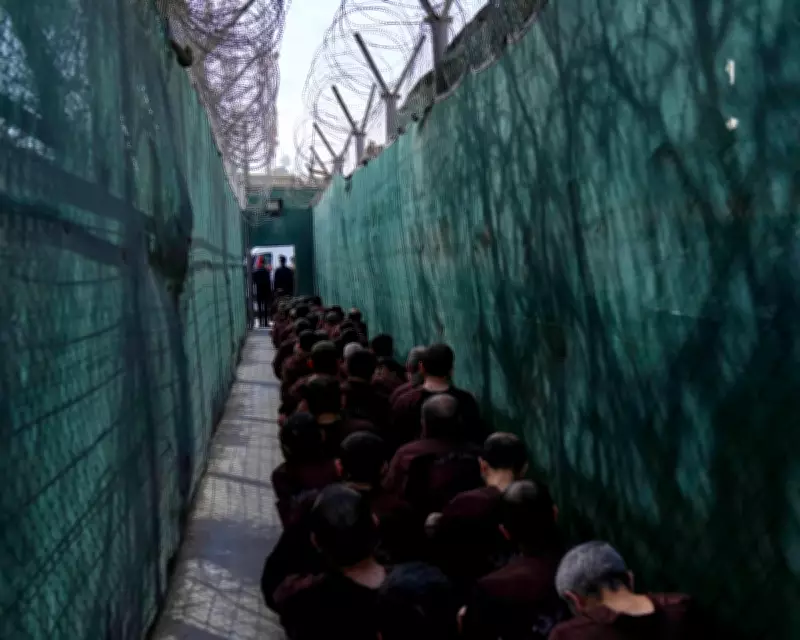
In a significant diplomatic move, a senior Iraqi government official has urgently appealed to Australia to take back a group of suspected Islamic State fighters. This request comes just weeks after the detainees were transferred from Syria to al-Karkh prison in Baghdad, highlighting ongoing challenges in managing foreign combatants.
High-Level Meeting in Baghdad
Iraq's national security adviser, Qassim al-Araji, met with Australian ambassador Glenn Miles last week, emphasizing that countries should repatriate their citizens held in Iraqi prisons. Al-Araji, a former interior minister, posted on X about the discussion, stating, "We renewed Iraq's call on the international community to receive its nationals among the detainees who were recently transferred from Syria to Iraqi prisons." This meeting, though described as a regular appointment focused on broader Middle East turmoil, specifically addressed the fate of about 13 Australian men among over 5,700 suspected IS members moved in a US-backed mission.
Australia's Stance and Regional Instability
The Australian government has resisted such repatriation calls, with a Department of Foreign Affairs and Trade spokesperson asserting, "Australia is not repatriating or assisting ISIS-linked individuals in Iraq and Syria." However, this stance is complicated by growing instability in the region, exacerbated by the war in Iran, which makes the task of repatriation more difficult. Al-Araji noted the need to "intensify international efforts to halt the war and prevent its further expansion," underscoring the security risks involved.

Legal and Humanitarian Implications
Iraq's justice minister, Khalid Shwani, has indicated that foreign nationals will be repatriated after investigations, unless they are accused of crimes against Iraqis. The Australian detainees, including one who was trafficked as a child, could face prosecution in Iraq or Australia for terror-related offenses. Iraq, a top executioner for terrorism crimes, has previously sentenced an Australian to death for IS membership. Meanwhile, the men are husbands and fathers of 34 Australian women and children stranded in Syria, adding a humanitarian dimension to the issue.
Broader International Context
This appeal is part of Iraq's broader effort to pressure countries to take back their citizens, as confirmed by the National Center for International Judicial Cooperation, which now holds detainees from 61 countries. Despite diplomatic engagements, families and lawyers of the Australian prisoners report no communication from governments since the transfer, reflecting the complex and contentious nature of this international dilemma.






