

A 1,300-Mile Drive to Lviv: Witnessing Ukraine's Resilience in 2026
In February 2026, I embarked on a 1,300-mile journey from Oxfordshire to Lviv, one of Ukraine's largest cities, as a volunteer with Driving Ukraine. This organization sends vehicles to the frontline, supporting military medics, humanitarian bomb disposal teams, and air defence units. Our convoy of 10 cars faced challenges like sore backs, sleepless nights, and a breakdown on a German motorway, but we arrived to grateful Ukrainians in Lviv.
The Scars of War in a Western City
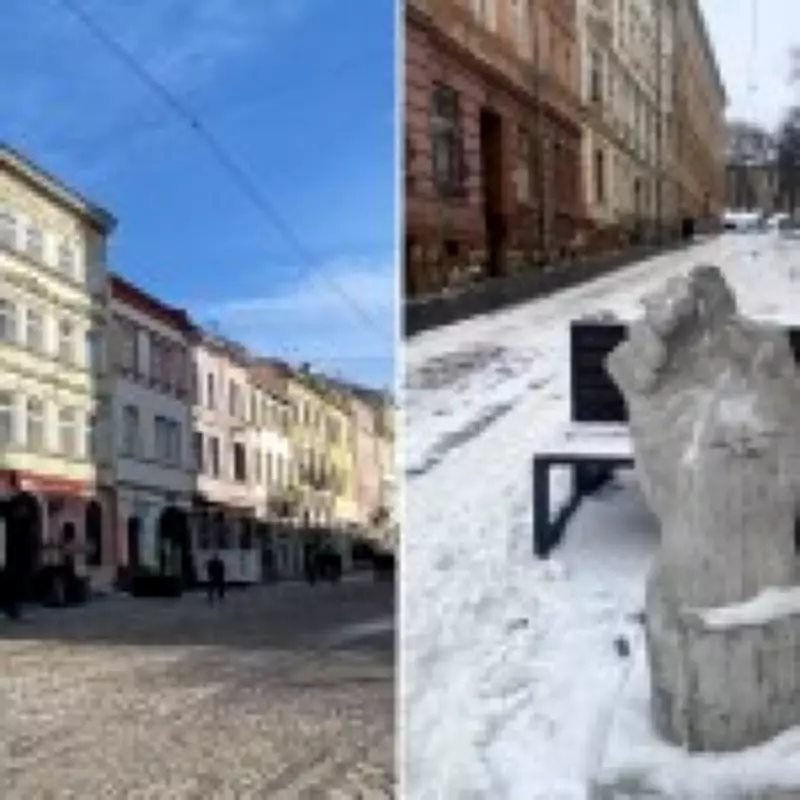
Walking through Lviv's snow-dusted streets, life appears normal with people walking dogs, shopping, and enjoying coffee. However, the toll of Russia's invasion, now in its fourth year, is evident. Monuments are shielded with metal cages, shelled buildings are draped in plastic sheets, and a midnight-to-5am curfew is enforced. Each morning, the city observes a minute of silence, grinding to a standstill.
Winter has been harsh, with January recording the lowest temperatures in 16 years. Millions cope without reliable drinking water and electricity due to attacks on energy infrastructure. When I visited, temperatures plunged to -10°C, making warmth a constant struggle.

Volunteer Efforts and Emotional Reunions
Driving Ukraine, founded by Fynn Watt and Maksym Sosliuk in 2022, has delivered over 300 vehicles and raised more than £2.1 million. Maksym, 25, notes that war has transformed Lviv beyond recognition, blurring memories of its pre-war vibrancy. The city's old town, dating to the 1200s, features ornate churches, wide boulevards, and a UNESCO-protected opera house, but international tourists have dwindled.
Upon handing over a Toyota Land Cruiser to a soldier, his wife hugged me, expressing gratitude not just for the vehicle but for the chance to reunite with her husband after months apart.
Air Alerts and Memorials
Before the trip, I downloaded Ukraine's 'Air Alert!' app, which warns of missile and drone strikes. While Lviv, about 600 miles from the frontline, experiences fewer alerts than cities like Kyiv, one morning brought a drone threat, with soldiers attempting to shoot it down.
We visited the Field of Mars in Lychakiv Cemetery, a memorial with over 1,000 graves for fallen soldiers from Lviv. Each grave bears names, pictures, and Ukrainian flags, a poignant reminder of the conflict's human cost.
Tourism Trends: Dark Tourism and Domestic Visits
International tourism in Lviv has declined, but domestic visits have risen. In 2024, the city attracted 1.7 million visitors, with 88% domestic and 12% international. Ukraine's overall tourism increased by 27% compared to pre-war levels, with Lviv ranking as the second most visited city after Kyiv.
Dark tourism, involving visits to conflict zones, persists. Influencers and historians, such as British blogger Andrew Wigham, continue to tour Ukraine despite UK Foreign Office advice against travel. Tours now include military attack sites, like the Donbas war tour and Kyiv tours showcasing destroyed equipment.
The Lviv Tourism Office is developing sustainable and accessible tourism while supporting locals. The only foreigners I met were fellow volunteers from countries like the US, the Netherlands, Spain, and France.
Culinary Delights in Ukraine's Food Capital
Lviv is renowned as Ukraine's culinary capital, famous for chocolate, coffee, and diverse restaurants. At Lviv Croissants, we enjoyed stuffed croissants, while Inshi offered traditional dishes like potato pancakes with catfish, Varenyky dumplings, and borscht. Brunch at Cukor Black and treats from Lviv Handmade Chocolate highlighted the city's gastronomic appeal.
Despite delicious and affordable meals, many restaurants remain quiet, raising concerns about business sustainability. Our final stop, 1708 Pizza Di Napoli, served dishes like beef tartare and burrata, but the atmosphere was subdued.
Travel Advisories and Future Outlook
The UK Foreign Office advises against all travel to parts of Ukraine, including Crimea and areas near the Belarus border, and against non-essential travel to western regions like Lviv. Those who travel are urged to monitor local media, know shelter locations, and heed air alerts. Ukrainian airspace remains closed, requiring entry by car or train with lengthy border paperwork.

Lviv, though relatively safe compared to frontline cities, faces regular aerial attacks. The journey from Poland takes about an hour by car, but border chaos adds complexity.
As Driving Ukraine continues its missions, the resilience of Lviv's people and businesses shines through, even as war's shadows linger.





