

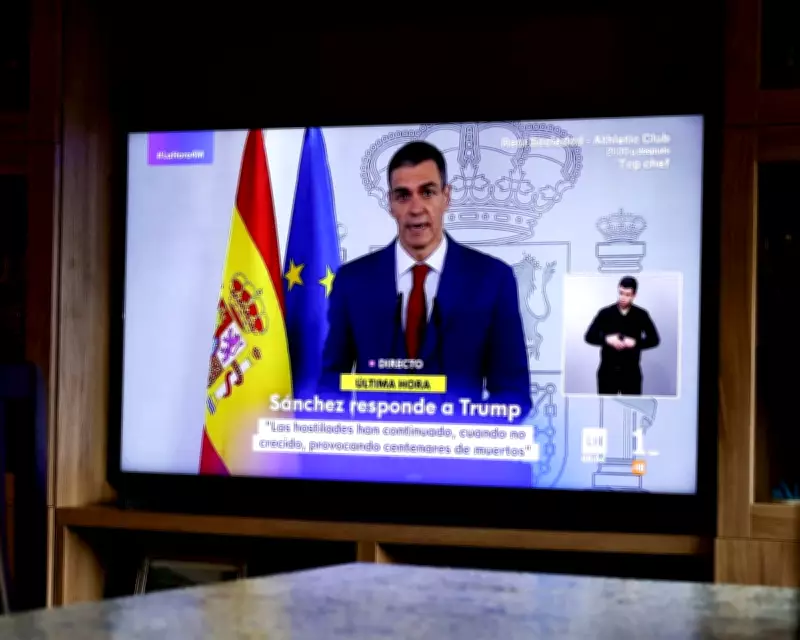
In a significant development for European geopolitics, Spanish Prime Minister Pedro Sánchez is emerging as a pivotal figure to counter the influence of former US President Donald Trump. As Trump prepares for a potential return to the White House, Sánchez is actively positioning Spain at the forefront of a European coalition aimed at safeguarding progressive policies on climate change, multilateralism, and human rights.
A Strategic Shift in European Leadership
The political landscape in Europe is undergoing a notable transformation, with Sánchez stepping into a leadership vacuum. Traditionally, nations like Germany and France have dominated EU discourse, but Sánchez's assertive diplomacy and Spain's growing economic clout are reshaping this dynamic. His approach combines robust advocacy for green energy initiatives with a firm commitment to international institutions, setting a clear contrast to Trump's America-first agenda.
Key Policy Divergences
Sánchez's strategy hinges on several core areas where European and Trump-era policies sharply diverge. On climate action, he champions the European Green Deal, pushing for accelerated carbon neutrality targets, while Trump has historically downplayed environmental concerns. In foreign policy, Sánchez emphasizes strengthening alliances through organizations like NATO and the UN, contrasting with Trump's transactional and often isolationist stance.

Economically, Sánchez supports regulated global trade and digital taxation frameworks, opposing Trump's protectionist tariffs. Socially, he advocates for LGBTQ+ rights and gender equality, issues that have faced rollbacks under Trump's administration. This multifaceted opposition is not merely rhetorical; Sánchez is mobilizing diplomatic efforts to build consensus among EU member states, particularly in Southern and Eastern Europe.
Challenges and Opportunities Ahead
Despite his ambitions, Sánchez faces substantial hurdles. Domestically, he must navigate a fragmented parliament and regional tensions, such as those in Catalonia, which could undermine his international credibility. Within the EU, resistance from more conservative governments may slow his initiatives. However, analysts note that Trump's polarizing figure has galvanized support for Sánchez's vision, with many Europeans seeking a stable, values-driven alternative.
The Broader Implications
This rivalry extends beyond bilateral relations, influencing global governance. Sánchez's rise signals a potential rebalancing of power within Europe, with Spain poised to play a more influential role in shaping EU foreign policy. It also highlights the enduring divide between progressive and populist movements worldwide, with climate policy and international cooperation becoming key battlegrounds.
As the 2026 US election approaches, Sánchez's efforts are likely to intensify, with European leaders closely monitoring Trump's campaign. The outcome could determine whether Europe adopts a more unified, assertive stance or fragments under external pressure. For now, Sánchez's proactive stance offers a compelling narrative of resistance and renewal in European politics.






