

Starmer's China Visit: Navigating Diplomatic and Economic Challenges
Prime Minister Keir Starmer is embarking on a significant diplomatic mission to China, leading a delegation that includes Chancellor Rachel Reeves and Business Secretary Peter Kyle. This marks the first high-level UK visit to Beijing since Theresa May's trip in 2018, with the primary focus on revitalising trade and investment ties between the two nations. However, analysts are cautioning that the prospects for substantial economic agreements remain limited, describing the expectations as having a "very low bar."
Pressure Points: British Steel and Broader Trade Deficits
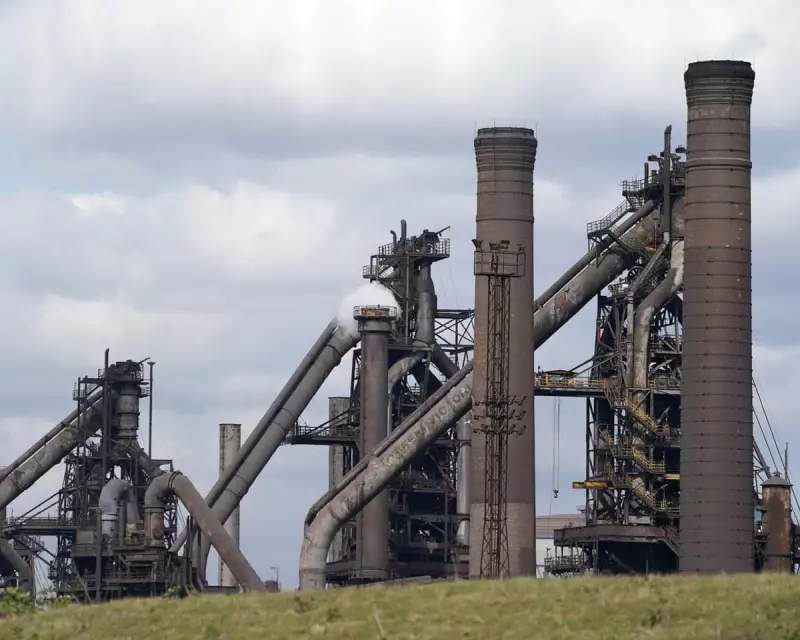
One of the most pressing issues on the agenda is the future of British Steel in Scunthorpe. The UK government took control of the plant last year to prevent its closure by the Chinese firm Jingye, and Starmer will face considerable pressure to ensure China contributes financially to its sustainability. This situation underscores the complex interplay between economic interests and national security concerns that characterise UK-China relations.
Trade figures reveal a growing imbalance, with the UK's deficit with China more than doubling from £17 billion in 2018 to £42 billion by the second quarter of 2025. This widening gap highlights the challenges Starmer faces in securing meaningful benefits for British businesses. Despite China's record trillion-dollar global trade surplus in 2025, experts argue that the economic opportunities for the UK are now marginal at best.

Expert Analysis: Cautious Optimism and Realistic Expectations
Sam Goodman, senior policy director at the China Strategic Risks Institute, suggests that a successful outcome for Starmer's trip might be limited to memoranda of understanding on financial services and potential greenfield investments in sectors like the automotive industry. He emphasises that the bar for success is set remarkably low, reflecting the tempered expectations surrounding this diplomatic endeavour.
Andrew Small, director of the Asia programme at the European Council on Foreign Relations, offers a stark assessment. He notes that Beijing is unlikely to deliver the economic boost that Labour desires, citing an overheated Chinese economy where profit margins have diminished. Small criticises the persistent UK view of China as a vast economic opportunity, describing it as detached from the reality of limited gains.
The Double-Edged Sword of Chinese Trade Relations
Engaging with China commercially is increasingly seen as a double-edged sword. Goodman's research identifies eight tactics China employs to weaponise trade relationships, including import bans and anti-competition investigations. Recent examples include actions against French brandy producers and technology firms like Google and Nvidia, demonstrating how foreign businesses can become pawns in broader geopolitical strategies.
The delisting of Chinese luxury electric car brand Zeekr from the New York Stock Exchange after just one year, citing an "increasingly complex economic environment," further illustrates the unpredictable nature of Chinese market behaviour. Similarly, Shein's potential listing in Hong Kong rather than London raises questions about the quality and reliability of Chinese investments in the UK.
Diplomatic Balancing Act: Security Concerns and Economic Priorities
Downing Street is navigating a delicate diplomatic path, acknowledging that issues such as human rights breaches, national security, and the imprisonment of British pro-democracy campaigner Jimmy Lai in Hong Kong will be raised. However, the primary emphasis will remain on business and economic links. Starmer has vowed to maintain a "clear-eyed" approach to national security while pursuing opportunities for British companies.
In an interview with Bloomberg, the Prime Minister asserted that China presents "significant opportunities" for UK businesses and insisted he would not be forced to choose between China and the US. This stance comes amid heightened tensions, including former President Donald Trump's recent threats of tariffs against Canada if it pursues deals with China.

Conclusion: A Pragmatic Approach to Complex Relations
As Starmer's delegation, which includes chief executives from banks, financial services, and companies like Rolls-Royce, engages with Chinese counterparts, the visit symbolises an attempt to reset relations. However, with experts warning of slim pickings and the shadow of a growing trade deficit, the Prime Minister's challenge is to balance realistic economic expectations with the imperative of protecting national interests. The outcome will likely shape the UK's approach to China in the coming years, highlighting the intricate dance between diplomacy, trade, and security in an increasingly multipolar world.





