

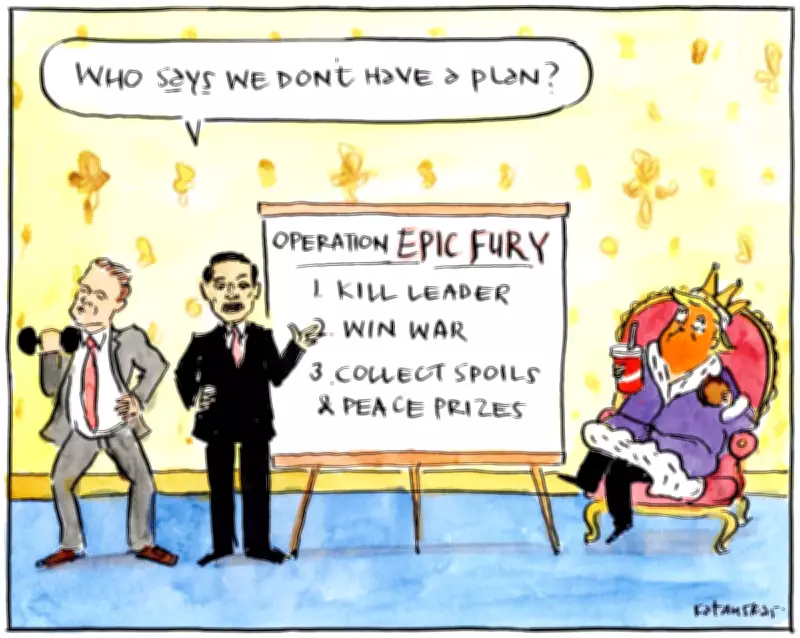
Donald Trump's approach to Iran has consistently sparked intense debate among political analysts, diplomats, and international observers. His administration's decisions regarding the Middle Eastern nation have ranged from withdrawing from the nuclear deal to imposing severe sanctions, actions that have reshaped regional dynamics and global diplomacy.
The Nuclear Deal Withdrawal: A Strategic Pivot?
In 2018, Trump announced the United States' withdrawal from the Joint Comprehensive Plan of Action (JCPOA), commonly known as the Iran nuclear deal. This move was framed by the administration as necessary to address what it called flaws in the agreement, particularly its sunset clauses and limited scope on ballistic missiles. Supporters argue this was a calculated step to pressure Iran into negotiating a more comprehensive deal, while critics view it as an impulsive act that undermined international cooperation and increased nuclear proliferation risks.
Sanctions and Maximum Pressure Campaign
The implementation of a "maximum pressure" campaign through economic sanctions has been a cornerstone of Trump's Iran policy. These measures have targeted Iran's oil exports, financial institutions, and key individuals, aiming to cripple the country's economy and force concessions. Proponents claim this demonstrates strategic economic warfare designed to weaken Iran's regional influence, whereas opponents warn it has exacerbated humanitarian crises and pushed Iran toward more aggressive posturing without achieving diplomatic breakthroughs.

Military Posturing and Escalation Risks
Trump's tenure saw several incidents that brought the U.S. and Iran to the brink of military conflict, most notably the 2020 assassination of Iranian General Qassem Soleimani. The administration defended this as a defensive action against an imminent threat, highlighting a strategy of deterrence through shows of force. However, analysts question whether such moves were part of a coherent plan or reactive escalations that dangerously increased the potential for full-scale war, risking broader regional instability.
Diplomatic Channels and Negotiation Tactics
Despite the aggressive rhetoric and actions, Trump has occasionally expressed openness to negotiations with Iran, famously suggesting he would meet with Iranian leaders without preconditions. This duality—combining pressure with offers of dialogue—has led to speculation about whether it represents a sophisticated "carrot and stick" approach or inconsistent messaging that confuses allies and adversaries alike. The lack of a clear, publicly articulated endgame has fueled doubts about the strategic depth behind these maneuvers.
Global and Domestic Reactions
Internationally, Trump's Iran policy has drawn mixed responses. Allies in Europe have largely opposed the unilateral sanctions and deal withdrawal, straining transatlantic relations, while regional partners like Israel and Saudi Arabia have generally supported the hardline stance. Domestically, the approach has polarized opinion, with some praising it as a tough stance against a hostile regime and others condemning it as reckless adventurism that isolates the U.S. and endangers global security.
Ultimately, assessing Trump's actions in Iran requires examining whether they stem from a deliberate strategy aimed at long-term objectives or reflect more immediate, politically driven decisions. The consequences—ranging from economic impacts on Iran to shifts in global power balances—will likely be debated for years, as the world watches how this chapter in U.S.-Iran relations influences future diplomatic and security frameworks.






