

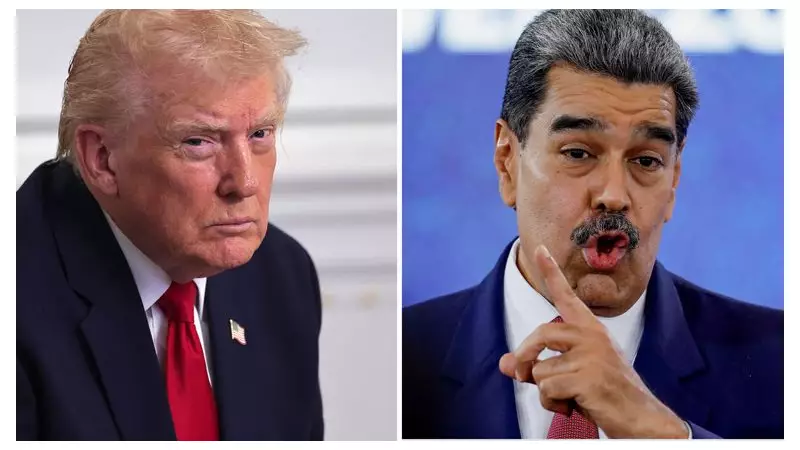
The forcible removal of Venezuelan leader Nicolas Maduro by the United States under President Donald Trump represents a completely unprecedented act in modern international relations. The event, which unfolded on Saturday 3 January 2026, marks a stark departure from established diplomatic and legal norms, sending shockwaves through the global community.
A Historic Breach of Sovereignty
While America has a long history of intervening against governments it opposes, the direct use of military force to abduct the leader of a sovereign nation is without modern parallel. As noted by Sky News' international affairs editor Dominic Waghorn, nation states—and particularly the United States as the traditional guardian of the rules-based order—do not typically send armed forces into other countries for such a purpose. The sight of 'Chinook' helicopters over Venezuela has become a potent symbol of this dramatic escalation.
The precise details surrounding Maduro's capture remain unclear. Some reports suggest his own security forces, worn down by relentless American pressure, may have handed him over. This narrative could allow the Trump administration to frame the event as facilitating an internal change. However, analysts agree that the buildup of American firepower and covert operations was the decisive factor, making the outcome inevitable.

The Maduro Legacy and Global Reaction
There is little sympathy for Nicolas Maduro's regime. He is widely regarded as an illegitimate ruler who rigged elections and presided over an economic collapse so severe it forced a quarter of Venezuela's population to flee. His kleptocratic and repressive rule plundered a resource-rich nation. Neighbouring countries, while likely relieved privately, will publicly wring their hands over the method of his departure.
The greater concern lies with America's traditional allies. Over the past year, alarm has grown over the damage done by Donald Trump to international law. This episode crystallises those fears. Allies are caught in a dilemma: welcoming the end of a brutal dictator but deeply uneasy about the means employed, which seem fundamentally at odds with the principles of international law.
The Precedent and the Path Forward
In the coming days and weeks, the Trump administration faces a significant challenge. It must prove that this operation does not open the door to further assaults on the foundational principles of state sovereignty and non-intervention. The administration will need to convincingly argue that the ends justified these extraordinary means.
Furthermore, the US government must clarify on what terms it intends to bring Maduro to justice. Transparency regarding his legal status and the charges against him will be crucial in managing the international fallout. The world now watches to see if this is a one-off event or the beginning of a new, more volatile chapter in global power politics, where the rules-based order is supplanted by unilateral force.






