Trump's Ambition to Replicate Venezuela Success in Iran Meets Skepticism
Following the recent capture of Venezuela's regime, former President Donald Trump has expressed a desire to apply a similar "regime capture" strategy in Iran. However, experts warn that replicating this model in Iran, a country with deep-rooted antipathy towards the United States, presents significant challenges. Iran has had no diplomatic relations with the US since 1980, and its people have long regarded the US as an ideological enemy, making any intervention far more complex than in Venezuela.
The Venezuela Model: A Blueprint for Regime Change?
In Venezuela, Trump's strategy involved a covert operation that led to the abduction of President Nicolás Maduro in Caracas on January 3. Special forces executed the mission, resulting in Vice-President Delcy Rodríguez stepping up with Trump's blessing to usher in a pro-US era. Rodríguez publicly thanked Trump, signaling a shift for a nation historically critical of "Yankee" imperialism. This success has emboldened Trump, who told Axios and the New York Times that he seeks to be involved in appointing Iran's next leader after the death of Supreme Leader Ayatollah Ali Khamenei in a joint Israeli-US operation.
A state department official described Trump's approach as "decapitate and delegate," aiming to manage a regime's behavior remotely without deploying US troops. Yet, this method faces skepticism when applied to Iran, where historical and ideological factors differ starkly from Venezuela.

Historical and Ideological Barriers in Iran
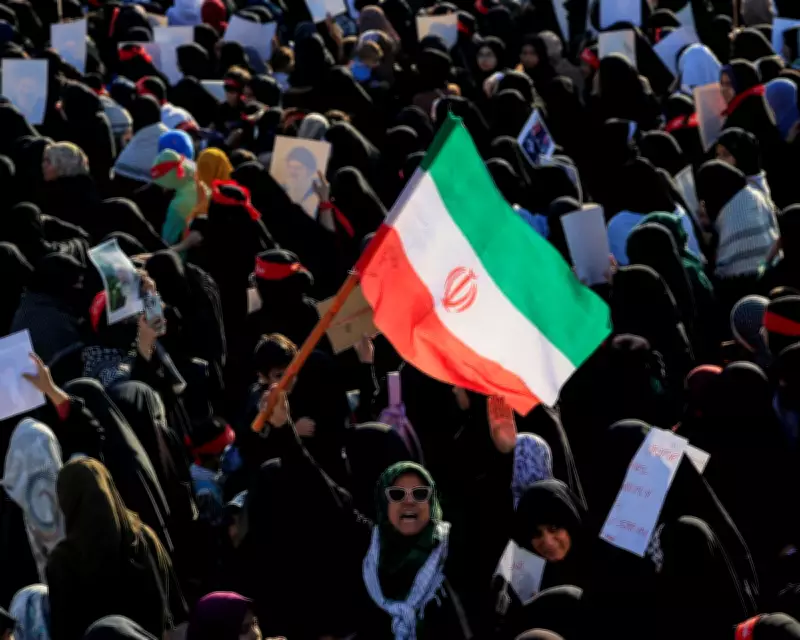
Iran's history is marked by resistance to foreign intervention, dating back to the 1979 revolution that overthrew the pro-western Shah Mohammad Reza Pahlavi, seen as an American puppet. Anti-Americanism has been central to the regime's ideology, with slogans like "Death to America" prevalent in cities like Tehran. Alex Vatanka, head of the Iran programme at the Middle East Institute, called Trump's demand to influence Iran's leadership "beyond delusional," noting that converting Shia Islamists to align with US interests is impractical.
Unlike Venezuela, where the US maintained diplomatic ties until 2019, Iran severed relations in 1980 after revolutionaries took American hostages. This lack of formal channels complicates any US involvement. Benjamin Gedan, a former White House adviser, emphasized that Iran's government, under the Revolutionary Guards, is less inclined to cooperate with the US, making regime change a daunting task.
Expert Analysis on Feasibility and Risks
Experts highlight several key obstacles:
- Geopolitical Distance: Iran is 7,000 miles away and better armed than Venezuela, reducing the feasibility of military intervention.
- Internal Dynamics: The Revolutionary Guards hold significant power over Iran's military and economy, and any US collaboration would require a careful game plan to co-opt or eliminate opposing factions.
- Public Sentiment: Naysan Rafati of the International Crisis Group warned that even if the US finds regime insiders willing to work with them, it could alienate Iran's population, still reeling from recent protests and suppression.
Gedan added that Trump's success in Venezuela might be temporary, as the new government could seek autonomy once US pressure eases. Similarly, in Iran, any imposed change risks backlash and instability.
Conclusion: A Complex Path Forward
While Trump's Venezuela strategy showcases a potential model for regime change, its application in Iran is fraught with difficulties. The deep-seated hostility, historical context, and powerful internal forces in Iran make it a less pliable target. As conflicts in the Middle East continue, experts caution that any US intervention must be carefully planned to avoid exacerbating tensions and ensure long-term stability. The outcome remains uncertain, highlighting the complexities of US foreign policy in regions with entrenched anti-American sentiments.