

Ukraine Peace Talks: Can Trilateral Abu Dhabi Negotiations Deliver Breakthrough?
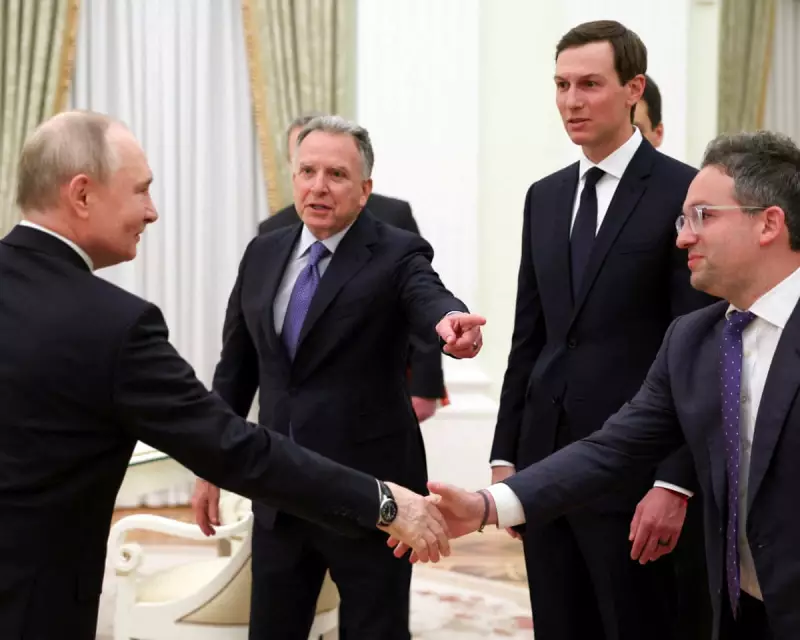
With the Greenland crisis temporarily paused, international diplomatic focus has shifted decisively back to the ongoing conflict in Ukraine. This renewed attention follows Ukrainian President Volodymyr Zelenskyy's discussions with US President Donald Trump at the World Economic Forum in Davos, coupled with a late-night meeting between a US delegation and Russian President Vladimir Putin at the Kremlin.
The Kremlin encounter, described by Russian aide Yuri Ushakov as "useful in every aspect," has set the stage for what could become a pivotal moment in the protracted conflict. The critical question now facing diplomats and observers alike is whether these preliminary discussions can translate into substantive progress during the upcoming trilateral negotiations.
Unprecedented Three-Way Dialogue Commences
Beginning today and continuing throughout the weekend, delegations from Ukraine, the United States, and Russia will engage in their first formal trilateral talks of the war in the United Arab Emirates. The Abu Dhabi summit represents a significant diplomatic development, bringing all three principal parties together at the same negotiating table for comprehensive discussions about ending hostilities.

The talks are expected to address several outstanding issues that have previously stalled peace efforts. Among the most contentious matters on the agenda will be Moscow's persistent demands for territorial concessions in eastern Ukraine, a sticking point that has consistently complicated previous negotiation attempts.
Key Figures Leading the Delegations
The Russian contingent will be headed by General Igor Kostyukov, director of Russia's GRU military intelligence agency, indicating the serious security focus Moscow brings to these discussions. Meanwhile, the Ukrainian delegation will be led by Rustem Umerov, secretary of the National Security and Defence Council and former defence minister, whose appointment underscores Kyiv's commitment to addressing both security and political dimensions of the conflict.
In a statement this morning, President Zelenskyy confirmed that the long-anticipated bilateral security guarantees agreement with the United States is essentially complete and ready for signing. The Ukrainian leader indicated he is simply awaiting confirmation from President Trump regarding the timing and location for formalising the documents.
Zelenskyy further revealed that his discussions with Trump in Davos covered multiple critical areas, including enhanced air defence cooperation and economic collaboration aimed at supporting Ukraine's postwar recovery efforts. However, as the president acknowledged, these reconstruction plans remain contingent upon first achieving a sustainable resolution to the ongoing conflict.
Diplomatic Momentum and Cautious Optimism
The question dominating diplomatic circles is whether the three parties can make meaningful progress toward ending the war during these Abu Dhabi talks. Recent rhetoric from President Trump has suggested potential for significant advancement, with the American leader telling reporters aboard Air Force One overnight: "Anytime we meet, it's good. If you don't meet, nothing's going to happen."
This pragmatic approach from Washington, combined with the unprecedented trilateral format of the discussions, has generated cautious optimism among some observers. However, significant obstacles remain, particularly regarding territorial disputes and security arrangements that have proven intractable throughout previous negotiation rounds.
The Abu Dhabi talks represent perhaps the most substantial diplomatic effort to date to bring the conflict to a close, coming after years of fighting and multiple failed ceasefire attempts. As delegations convene in the UAE, the international community watches closely, hoping that this weekend's discussions might finally produce the breakthrough that has remained elusive since hostilities began.






