

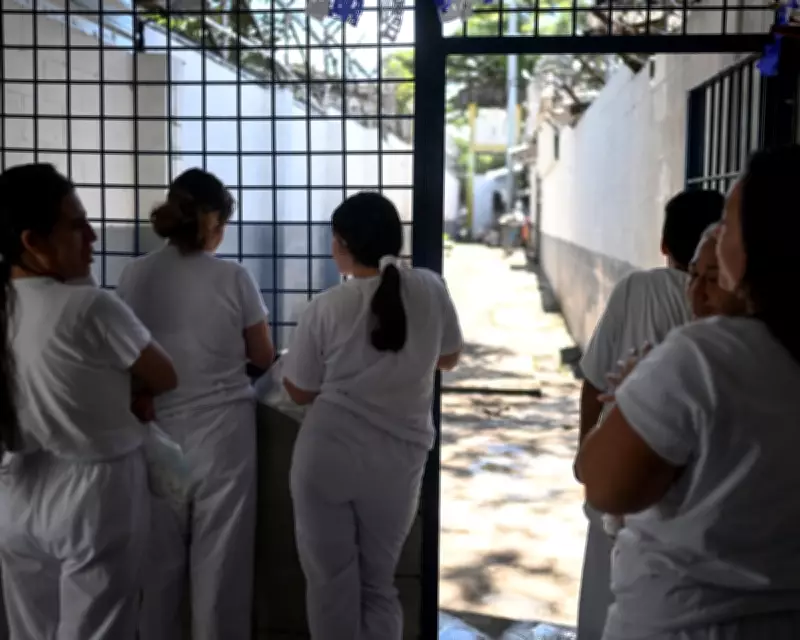
UN Agreement Makes Historic Move to Include Incarcerated Women in Justice Protections
In a landmark development for global gender equality, the United Nations has finalized a groundbreaking agreement that, for the first time, explicitly extends justice protections to women who are incarcerated. This historic shift represents a significant expansion of international efforts to address systemic injustices faced by women worldwide, moving beyond traditional frameworks to include those often marginalized within prison systems.
Addressing Longstanding Gaps in Women's Rights
The agreement, announced in March 2026, aims to close critical gaps in existing human rights protocols by recognizing the unique vulnerabilities of women in detention. Historically, many international justice initiatives have focused primarily on women in free society, overlooking the specific challenges faced by those in prison, such as inadequate healthcare, gender-based violence, and limited access to legal resources. This new framework mandates member states to implement measures ensuring fair treatment, protection from abuse, and rehabilitation support for incarcerated women, aligning with broader UN goals on gender equality and social justice.
Key Provisions and Global Implications
The agreement includes several key provisions designed to transform justice systems:

- Enhanced monitoring of prison conditions to prevent human rights abuses against women.
- Mandatory training for prison staff on gender-sensitive approaches and anti-discrimination practices.
- Improved access to legal aid and mental health services for female inmates.
- Support for reintegration programs to reduce recidivism and promote societal reentry.
This move is expected to have far-reaching implications, particularly in regions with high rates of female incarceration or where prison systems lack gender-specific policies. By setting a new global standard, the UN aims to pressure governments to reform their justice systems, potentially impacting millions of women currently behind bars. Experts highlight that this inclusion could lead to reduced overcrowding, better health outcomes, and more equitable sentencing practices worldwide.
Challenges and Future Steps
Despite its progressive nature, the agreement faces implementation challenges, including resistance from some member states and logistical hurdles in underfunded prison systems. However, advocates emphasize that this is a crucial step toward a more inclusive justice framework, urging international cooperation and funding to ensure compliance. The UN plans to establish a task force to monitor progress and provide technical assistance, with regular reviews scheduled to assess impact and address emerging issues. This initiative underscores a growing recognition that true justice for women must encompass all aspects of society, including those within correctional facilities.






