

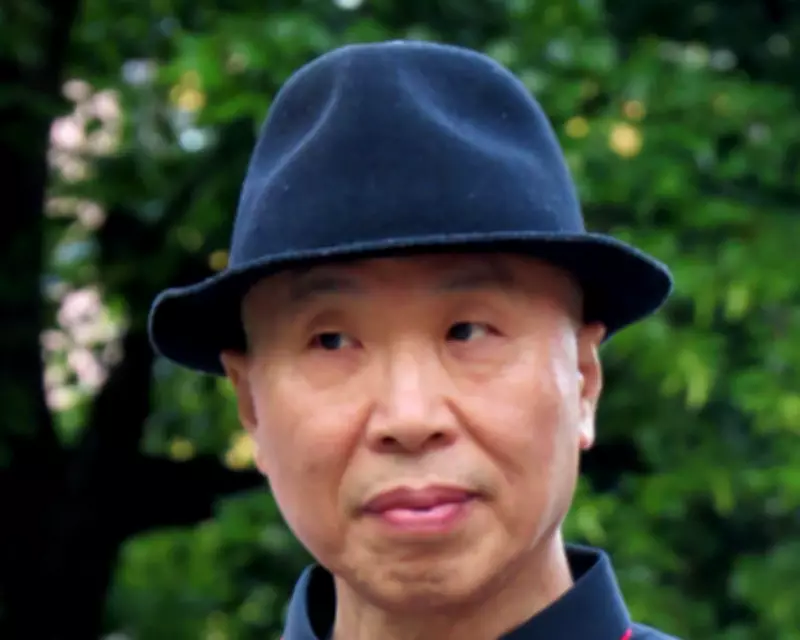
US-Based Dissident Artist Faces Trial in China Over Satirical Mao Sculptures
New York-based artist Gao Zhen, known for his satirical sculptures of former Chinese leader Mao Zedong, has been tried in China on charges of "defaming national heroes and martyrs," according to his wife and a human rights group. The 69-year-old artist, detained in August 2024 during a family visit to China, could face a maximum prison sentence of three years if convicted.
Closed-Door Trial and International Response
The one-day trial took place on Monday at the Sanhe city people's court in Hebei province, ending without a verdict. Gao's wife, Zhao Yaliang, reported being barred from entering the courtroom, while EU diplomats attempting to attend were also blocked. Shane Yi, a researcher at a Chinese human rights defenders group, stated that the trial targeted artworks created between 2005 and 2009, predating China's 2018 law on protecting heroes and martyrs, which was strengthened in 2021.
Yi emphasized, "This shows the Chinese government's logic—when they want to target someone, they can use anything in their power to do so. Gao Zhen is an artist. He has a right to artistic freedom, period." Gao had made several trips to China without incident since moving to the US in 2022, making his detention unexpected.

Artistic Works and Family Impact
Gao, alongside his brother Gao Qiang, produced sculptures critiquing the Cultural Revolution, a period of social turmoil in China from 1966 to 1976. Their notable pieces include Miss Mao, depicting Mao with a Pinocchio nose and breasts, and Mao's Guilt, a bronze statue of the former leader kneeling in remorse. These works have drawn international attention for their bold political commentary.
Zhao revealed that she and their seven-year-old son, a US citizen, are under exit bans and cannot leave China. She told Reuters, "My son hasn't seen his father since the year before last, and we have been barred from sending letters to him since last May. It's had a significant impact on my son's emotions and health." Additionally, Yi reported that Gao suffers from malnutrition, lumbar spine disease, and chronic knee and eye conditions requiring treatment.
Broader Implications for Human Rights
This case highlights ongoing concerns about freedom of expression and human rights in China, particularly regarding the targeting of dissidents abroad. The trial underscores the Chinese government's use of legal measures to suppress artistic dissent, with Gao's situation serving as a stark example of the risks faced by critics. As the international community monitors the outcome, the case raises questions about the enforcement of laws retroactively and the treatment of foreign nationals in China.






