

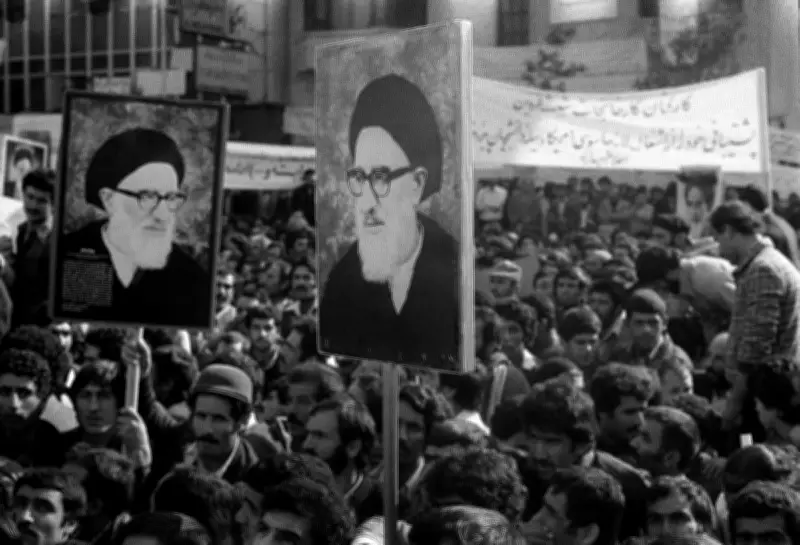
The Day Diplomatic Ties Were Cut: US-Iran Relations in 1980
On April 7, 1980, the United States officially severed diplomatic relations with Iran, marking a dramatic escalation in the ongoing hostage crisis that had begun months earlier. This decision came after Ayatollah Khomeini refused to order the release of American hostages held at the US Embassy in Tehran since November 1979. The move was a culmination of decades of shifting alliances and tensions, setting a precedent that continues to influence international politics today.
Historical Foundations: From Early Alliances to Oil Conflicts
The relationship between the United States and Iran was not always fraught with hostility. In the late 19th century, the US established its first ministerial presence in Persia, with Samuel WG Benjamin becoming the inaugural US Minister in 1883. At that time, Iran viewed the US as a neutral and disinterested party amid the Great Game between Britain and Russia, seeking American assistance in modernizing its financial system. However, the discovery of oil in the region introduced new complexities.
By the mid-20th century, oil became a central point of contention. In 1951, Prime Minister Mohammad Mosaddegh nationalized Iran's oil industry, seizing assets from the Anglo-Iranian Oil Company. Initially, the US supported Mosaddegh, but after President Eisenhower took office in 1953, the administration collaborated with Britain to orchestrate a coup that deposed Mosaddegh. This event proved to be a critical turning point, as it installed Shah Mohammad Reza Pahlavi as a key US ally, reshaping Iranian perceptions of America as a puppet-master.

The Shah's Regime and the Rise of Khomeini
Under the Shah's rule, Iran became increasingly dependent on US support, with America aiding in the establishment of the secret police force SAVAK and reorganizing the oil sector to benefit American companies. By the 1970s, Iran was a major purchaser of US military equipment, hosting thousands of American technicians. However, internal dissent grew, fueled by the Shah's authoritarian tactics and the influence of Western secularism.
Ayatollah Ruhollah Khomeini emerged as a vocal critic from exile, rallying support against the Shah's regime. In January 1979, the Shah left Iran for medical treatment, and Khomeini returned to declare a Provisional Revolutionary Government. The subsequent referendum approved a new constitution for the Islamic Republic of Iran, setting the stage for the embassy seizure.
The Hostage Crisis and Diplomatic Breakdown
On November 4, 1979, Muslim Student Followers of the Imam's Line stormed the US Embassy in Tehran, taking 63 Americans hostage. Khomeini endorsed the action, calling it a "second revolution" and demanding the extradition of the Shah and the unfreezing of Iranian assets. President Jimmy Carter faced mounting domestic pressures, including high inflation and a potential challenge from Senator Edward Kennedy.
Initially, Carter's handling of the crisis boosted his popularity, but as the hostages remained captive for months, his administration appeared increasingly ineffective. In March 1980, Carter demanded the hostages be surrendered to the Iranian government, but Khomeini's refusal on April 7 led to the severance of diplomatic ties. Carter announced the break at 3:10 pm, emphasizing that Iran could no longer evade responsibility.
Aftermath and Lasting Impacts
The crisis deepened with Operation Eagle Claw, a failed military rescue attempt 17 days later that resulted in eight US servicemen deaths and abandoned equipment. Ultimately, the hostages were released after 444 days on January 20, 1981, coinciding with Ronald Reagan's inauguration as president. Carter's defeat in the 1980 election was partly attributed to the prolonged crisis.
Today, diplomatic relations between the US and Iran remain suspended, a testament to the enduring legacy of the 1980 break. This historical episode underscores how geopolitical shifts, from early alliances to oil-driven conflicts, can reshape international dynamics for generations.






