

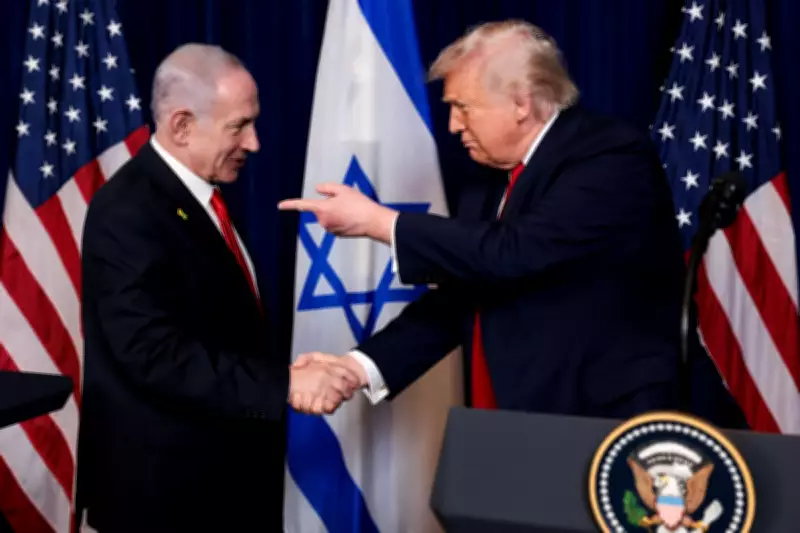
The Geopolitical Nexus of US-Israel-Iran Relations and Antisemitism
The intricate dynamics between the United States, Israel, and Iran have long shaped the political landscape of the Middle East, but recent developments have highlighted a troubling intersection with rising antisemitism on a global scale. This complex relationship is not merely about diplomatic maneuvers or military strategies; it delves into deeper societal issues that affect perceptions and prejudices worldwide.
Historical Context and Current Tensions
Historically, the US has maintained a strong alliance with Israel, providing substantial military and economic support, while Iran has often been positioned as an adversary due to its nuclear ambitions and regional influence. These geopolitical stances have fueled ongoing conflicts and proxy wars, creating a volatile environment that exacerbates existing tensions. In recent years, the rhetoric surrounding these relations has increasingly been linked to antisemitic tropes and conspiracy theories, which distort the realities of Middle Eastern politics.
For instance, debates over US foreign policy towards Israel and Iran are sometimes framed in ways that blame Jewish communities for geopolitical outcomes, perpetuating harmful stereotypes. This not only undermines constructive dialogue but also risks escalating hate crimes and discrimination against Jewish individuals and institutions. The intertwining of state-level conflicts with antisemitism complicates efforts to address either issue effectively, as political disagreements become entangled with deep-seated prejudices.

The Role of Media and Public Discourse
Media coverage and public discourse play a crucial role in shaping perceptions of US-Israel-Iran relations. Sensationalist reporting or biased narratives can amplify antisemitic sentiments, especially when complex geopolitical issues are oversimplified. For example, discussions about Iran's nuclear program or Israel's security policies are often reduced to binary oppositions that ignore the nuanced realities on the ground. This oversimplification can lead to scapegoating, where Jewish people are unfairly targeted as responsible for broader geopolitical conflicts.
Moreover, the rise of social media has accelerated the spread of misinformation and hate speech, making it easier for antisemitic ideas to gain traction in discussions about Middle Eastern politics. Platforms that allow anonymous or unmoderated content can become echo chambers for extremist views, further polarizing public opinion and hindering diplomatic efforts. As a result, addressing antisemitism in this context requires not only political solutions but also a concerted effort to promote accurate and balanced reporting.
Implications for Global Stability and Human Rights
The convergence of US-Israel-Iran relations with antisemitism has significant implications for global stability and human rights. When geopolitical tensions are framed in antisemitic terms, it can legitimize discrimination and violence, undermining international norms and human rights protections. This is particularly concerning in regions where Jewish communities are vulnerable, as it can lead to increased insecurity and displacement.
Furthermore, this dynamic complicates international diplomacy, as antisemitic rhetoric can poison negotiations and hinder peaceful resolutions to conflicts. For example, in discussions about Iran's nuclear deal or Israel-Palestine relations, antisemitic undertones can derail constructive engagement and foster mistrust among stakeholders. To mitigate these risks, it is essential for policymakers, media outlets, and civil society to actively combat antisemitism while addressing the root causes of geopolitical tensions.
Moving Forward: Strategies for Addressing the Intersection
Addressing the intersection of US-Israel-Iran relations and antisemitism requires a multi-faceted approach. First, enhancing education and awareness about the history and complexities of Middle Eastern politics can help dispel myths and reduce prejudice. This includes promoting critical media literacy to empower individuals to discern biased narratives from factual reporting.

Second, fostering inclusive dialogue that separates political disagreements from antisemitic rhetoric is crucial. Diplomatic efforts should prioritize human rights and mutual understanding, avoiding language that perpetuates stereotypes. International organizations and governments can play a key role by implementing policies that condemn antisemitism and support affected communities.
Finally, leveraging technology to combat online hate speech, while protecting free speech, can help curb the spread of antisemitic content. By taking these steps, it is possible to navigate the geopolitical challenges of US-Israel-Iran relations without fueling antisemitism, ultimately contributing to a more stable and just global order.





