

US Diplomats Encouraged to Emphasise American 'Generosity' Despite Aid Reductions
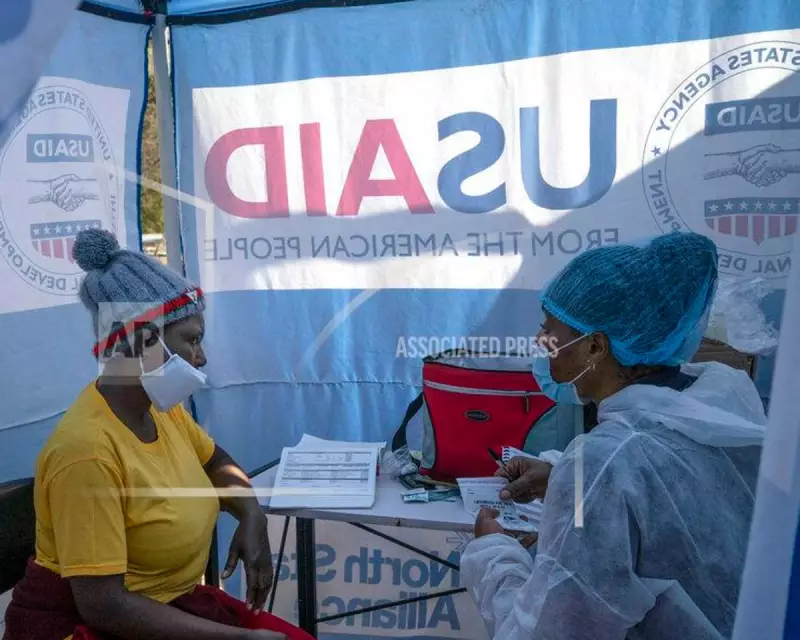
A controversial leaked email from the US State Department's Bureau of African Affairs has instructed diplomats to "unabashedly and aggressively" remind African governments about the "generosity" of the American people. This directive comes at a time when US aid to the continent has faced significant cuts, raising eyebrows among foreign policy experts and drawing accusations of racism.
Leaked Email Details Strategic Shift
The email, sent in January by Nick Checker, the newly appointed head of the Bureau of African Affairs, argues that highlighting US contributions is essential to counter false narratives. "It's not gauche to remind these countries of the American people's generosity in containing HIV/Aids or alleviating famine," the message states. "Rather, it's essential to counter the false narrative that the United States isn't in many cases the largest donor and to ensure that we can more effectively leverage that assistance to advance our interests."
Checker, who previously served over a decade with the CIA as a conflict analyst, took up his role earlier this month. His appointment aligns with the Trump administration's November national security strategy, which advocates transitioning from aid-focused relationships to trade and investment partnerships with Africa.

Controversial Characterisation of Africa
The email characterises Africa as "a peripheral – rather than a core – theater for US interests" that demands strategic economy. It suggests that framing Africa as strategic has historically served "bureaucratic and moral imperatives, not hard interests." This perspective has sparked outrage among seasoned diplomats and Africa experts.
A former senior State Department official with two decades of African experience labelled the email "offensive and downright racist", arguing it contradicts US national security interests. Kristofer Harrison, a former senior State Department official and president of the Dekleptocracy Project, criticised Checker as "wildly out of touch with reality," particularly given recent aid withdrawals affecting lifesaving medications.
African Diplomatic Response
A West African diplomat involved in conflict mediation across Chad and the Democratic Republic of Congo acknowledged that US humanitarian aid has alleviated suffering in medical and food sectors. However, they noted that "the fact that aid has been abruptly reduced or stopped is indeed creating unease. It is therefore no longer appropriate to reiterate that the US has demonstrated generosity."
Parallel USAID Shutdown Developments
Separately, the United States Agency for International Development (USAID) has circulated an invitation for private companies to bid on a contract to close down the agency. The invitation, titled "Institutional Support for USAID Closeout," outlines requirements for completing statutory, regulatory, financial, and personnel obligations, with the contract potentially extending until March 2028.
This move has been widely criticised as potentially illegal, as USAID was established by Congress and its dismantling lacks congressional approval. A recent House funding bill attempts to codify the agency's shutdown, though it awaits Senate approval. Harrison warned that closing USAID represents "a gift to worldwide corruption and authoritarianism."
Official Response and Strategic Rationale
A State Department spokesperson declined to comment on "alleged internal US government communications" but referenced the national security strategy's emphasis on partnering with select countries to ameliorate conflict and foster trade relationships. They reiterated that "foreign assistance is not charity; it is designed to further the national interests of the United States."
The leaked email and parallel USAID developments highlight a significant reorientation of US engagement with Africa, prioritising transactional relationships over traditional aid paradigms while facing substantial criticism from diplomatic and humanitarian circles.






