

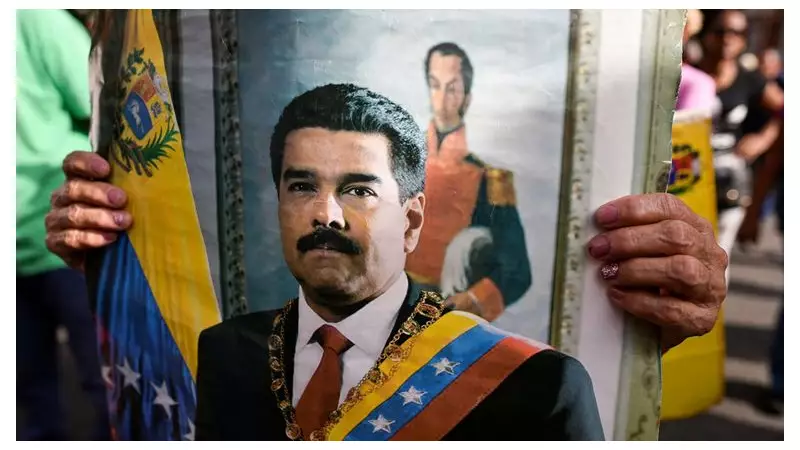
While the world watched the dramatic capture of Venezuelan leader Nicolas Maduro, the mood in the nation's capital, Caracas, is one of profound fear rather than celebration, according to a local journalist.
A Capital Living 'In a Cave'
Rosali Hernandez, a journalist based in Caracas, told Sky News that Venezuelans are "living like they're in a cave" following a US-led military operation on Saturday, 3 January 2026. The strike, which captured Maduro, has plunged the city into an information vacuum after three television channels were shut down.
Residents now find their screens dominated by a single state-run broadcaster, Corporacion Venezolana de Television, which airs a continuous stream of old speeches by the deposed leader. Beyond the media blackout, Hernandez reported power, internet, and water outages in parts of the city, with rumours of damaged substations and a key antenna on El Volcan hill.

Empty Streets and a Power Vacuum
Twenty-four hours after the operation, Caracas remained a city in stasis. Most businesses were closed, with no clear authority taking control. This paralysis has driven desperate citizens to form long queues at the few open marketplaces, pharmacies, and petrol stations, scrambling to secure food and medicine amid the uncertainty.
Contrary to expectations of a militarised lockdown, Hernandez described the streets as "kind of empty", notably lacking the presence of the Venezuelan National Guard or regular military. Instead, the vacuum is being filled by irregular armed gangs known as colectivos. These paramilitary groups, historically used to suppress dissent, now operate freely, creating a volatile and dangerous environment where situations can escalate rapidly.
'Maduro Was the Weakest Pillar'
The sudden capture of Nicolas Maduro took the nation by surprise. However, Hernandez argues that his removal alone is insufficient for meaningful change. She likened his government to a "system with many hands, like an octopus."
"Nicolas Maduro wasn't the strongest pillar of that government network; he was the weakest, he didn't have as much power as others," Hernandez stated. She pointed to figures like Jorge Rodriguez, head of the National Assembly, and Diosdado Cabello Rondon, First Vice President of the ruling socialist party, as the enduring power centres.
Her assessment is that for a genuine transition, around ten key regime figures would need to be apprehended. Until those accused of torture and political repression are removed, she believes Venezuelans will not feel free.
This perspective may explain why US President Donald Trump, in a press conference, appeared to dismiss opposition leader Maria Corina Machado. If the US strategy involves negotiating with remaining regime elements, as hinted by Secretary of State Marco Rubio's call for a "holistic transition", then the octopus of the old order may survive long after the loss of its Maduro arm.






