

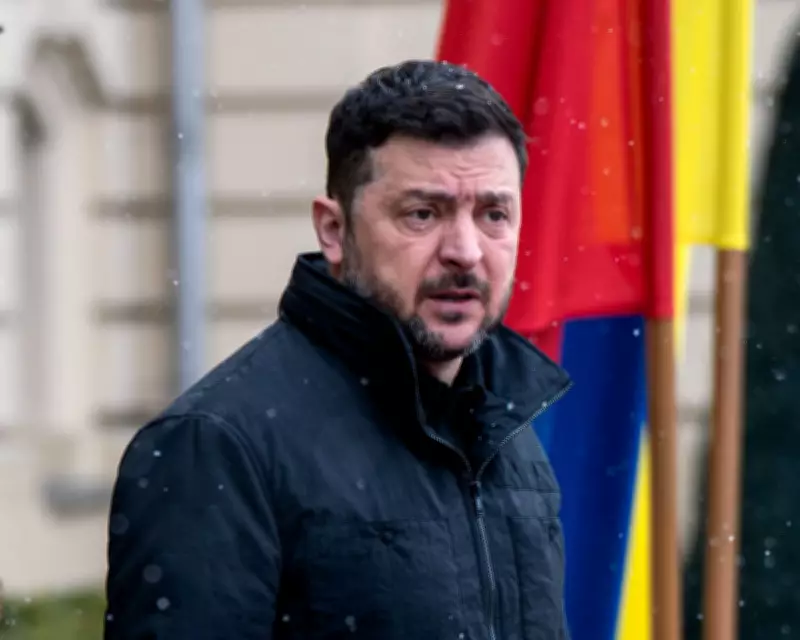
Ukrainian President Volodymyr Zelenskyy has declared that the possibility of engaging in peace talks with Russia will be directly influenced by the ongoing developments in the Middle East. This statement underscores the intricate connections between regional conflicts and their broader international ramifications.
Geopolitical Context and Interdependencies
In a recent briefing, Zelenskyy emphasized that the stability and dynamics in the Middle East are critical factors that will shape Ukraine's approach to any potential negotiations with Russia. He pointed out that global security issues are increasingly interlinked, making it impossible to address one conflict in isolation from others.
Implications for Diplomatic Efforts
This linkage suggests that diplomatic efforts to resolve the Ukraine war may need to consider parallel initiatives in the Middle East. Zelenskyy's remarks highlight a strategic perspective that views peace as a multifaceted challenge requiring coordinated international responses.

Regional and Global Security Concerns
The situation in the Middle East, with its own complex web of tensions and alliances, could either facilitate or hinder progress in Ukraine. Zelenskyy's comments reflect a recognition that shifts in one region can have ripple effects, potentially altering the balance of power and negotiation leverage elsewhere.
Future Prospects and Challenges
As the conflict continues, Zelenskyy's stance indicates that Ukraine is closely monitoring global events to inform its diplomatic strategies. This approach may involve waiting for favorable conditions in the Middle East before committing to talks with Russia, adding another layer of complexity to the peace process.
Overall, Zelenskyy's briefing signals a nuanced understanding of how regional instabilities can impact broader geopolitical negotiations, emphasizing the need for a holistic view in pursuing lasting peace.






