Democrats Rally in Off-Year Elections, Flipping Long-Held Republican Seats
In a striking demonstration of political momentum, the Democratic party secured a series of significant victories across the United States during the 2025 off-year elections. Candidates managed to make substantial inroads into traditional Republican strongholds, flipping several key seats and providing a major boost for the party heading into the upcoming midterms.
Key Victories Signal Shifting Political Landscape
While the national spotlight focused on high-profile wins, such as Zohran Mamdani’s landmark victory in New York and Democratic successes in the gubernatorial races of New Jersey and Virginia, results from smaller districts offered perhaps an even deeper insight into the evolving political mood. Notably, several precincts in both Virginia and New Jersey that had voted for Donald Trump in the 2024 presidential election swung behind Democratic candidates this time around.
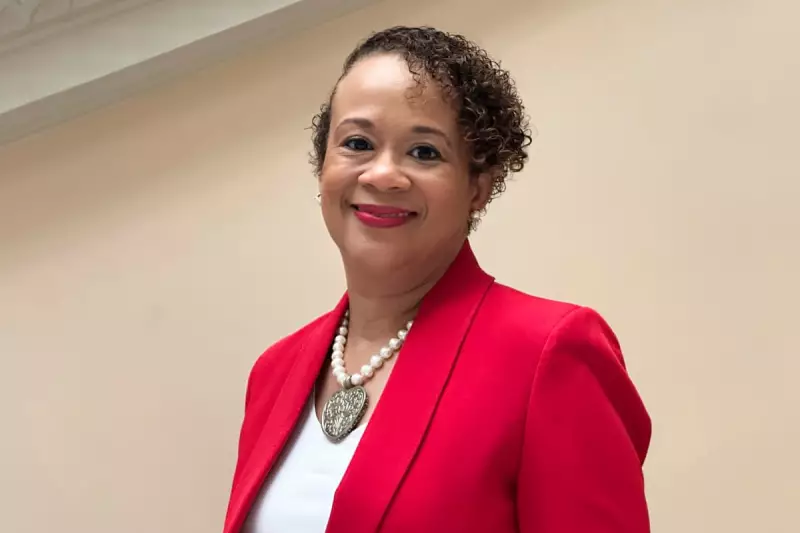
In a powerful indicator of this shift, Democrat Christina Vogel won the county executive race in Erie county, Pennsylvania, by a commanding 24-point margin. This was a region that had narrowly favoured Trump just a year earlier. Meanwhile, in Virginia’s 66th state House district, Democrat Nicole Cole achieved a remarkable upset by unseating Bobby Orrock, a Republican who had held the seat for an impressive 36 years.

Historic Breakthroughs in Georgia and Beyond
One of the most significant triumphs for the Democrats came in Georgia, where the party secured its first non-federal statewide wins since 2006. In the races for public service commissioner, which holds exclusive power over utility rates, Alicia Johnson defeated Republican incumbent Tim Echols by 58% to 41%. Her fellow Democrat, Peter Hubbard, triumphed over Fitz Johnson by an even larger margin of 61% to 39%. These victories represent the largest margins of victory for Georgia Democrats in over two decades.
The Democratic advance was not confined to swing states. In deep-red Mississippi, the party flipped two state senate seats, thereby ending a 13-year Republican supermajority. This crucial shift now prevents the GOP from unilaterally overriding gubernatorial vetoes or passing constitutional amendments without opposition.
Further evidence of the blue wave was seen in New York's Onondaga county, where Democrats gained control of the legislature for the first time in nearly fifty years. By winning all six contested seats, they turned a 12-5 Republican advantage into a 10-7 Democratic majority. A similar story unfolded in Pennsylvania's critical swing county of Luzerne, where voters elected four Democrats to the county council, handing the party control of the 11-member body.
Progressive Policies and National Repercussions
The election night also saw successes for progressive policies at the ballot box. Voters in Colorado approved a pair of measures, Proposition MM and Proposition LL, designed to provide free meals in public schools statewide by increasing taxes on high-earning households. In Maine, a proposed ballot measure that critics labelled a “voter suppression bill” was decisively rejected, with 64% voting against the introduction of voter ID requirements and restrictions on absentee voting.
Heather Williams, president of the Democratic Legislative Campaign Committee (DLCC), stated that the wins reaffirmed that voters rebuke GOP extremism and are focused on the affordability crisis. The results prompted a strong reaction from former President Donald Trump, who claimed on Truth Social that Republican losses were due to his name not being on the ballot and the recent government shutdown.
This sentiment coincides with Trump’s approval rating falling to one of its lowest points, with only 37% of Americans expressing approval of his performance as of early November. However, Democrats face their own challenges, having seen their party’s approval rating hit a 30-year low in July. The question now is whether they can sustain this electrifying energy and messaging through to the midterms and beyond.