A sweeping and controversial revision of India's electoral rolls has ignited a fierce political storm, with opposition leaders and critics warning it poses a fundamental threat to democracy and is being weaponised to disenfranchise minority voters, particularly Muslims.
A 'Citizenship Survey' in Disguise?
The exercise, known as the Special Intensive Revision (SIR), is underway across nine states and three union territories, marking one of the largest such overhauls in decades. While officially a bureaucratic update to remove deceased or duplicate voters, opposition figures allege it functions as a covert 'citizenship survey' orchestrated by the ruling Bharatiya Janata Party (BJP).
They claim the process is systematically targeting poor and minority communities, labelling them as 'illegal immigrants' to strip them of voting rights. This accusation is set against the backdrop of the BJP's Hindu nationalist agenda, which has deepened religious divides during its eleven years in power.

In parliament last week, Congress leader Rahul Gandhi launched a scathing attack, alleging the SIR was a tool for 'vote chori' (vote theft) designed to undermine India's democratic fabric. 'When you destroy the vote, you destroy the fabric of this country,' he stated.
Panic, Protest, and Personal Tragedy
The state of West Bengal, with its significant Muslim population, has become a major flashpoint. The ruling Trinamool Congress (TMC) government, led by Chief Minister Mamata Banerjee, has condemned the SIR as a politically motivated trick to capture the state. Banerjee has linked the process to a 'shadow of fear' and multiple suicides.
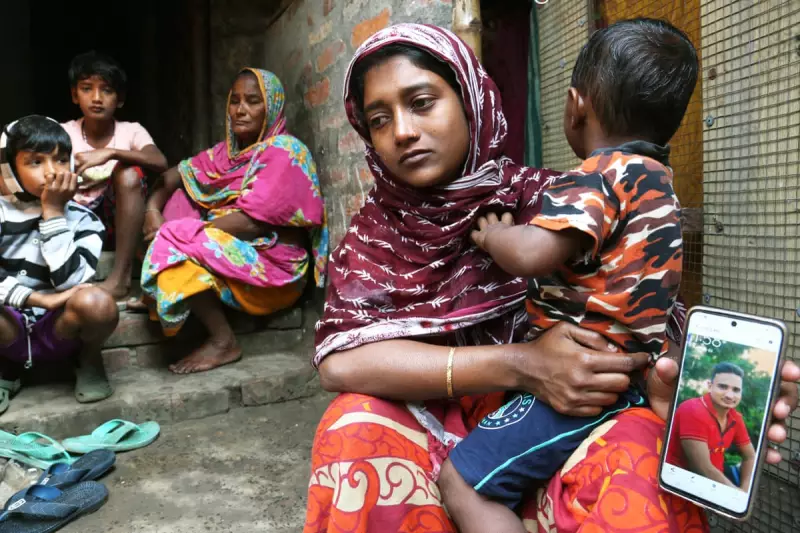
One such tragedy is that of Jahir Mal, an illiterate Muslim labourer from Khalisani, West Bengal. Fearing the SIR would declare him an illegal citizen despite being born in India, he became consumed by anxiety. 'He kept asking, "What will I do if they send me to Bangladesh? I have no connection there,"' recounted his wife, Rejina Mal. On November 4, hours before officials were due to visit, Jahir took his own life, leaving his wife and three children without their sole breadwinner.
Meanwhile, critics point to contrasting assurances. Bangladeshi Hindus living illegally in India have reportedly been told by local BJP leaders they will receive citizenship under a contentious 2019 act, while Muslims from Bangladesh are branded 'infiltrators'.
National Backlash and Electoral Consequences
The SIR has already provoked significant backlash. In Bihar, a state of 130 million people, the earlier exercise saw over 6.5 million names purged from the voter list. While the Election Commission cited deaths and relocations, opposition parties alleged a disproportionate number were from Muslim and non-BJP voting blocs. The subsequent November state election resulted in a historic landslide victory for the BJP.
The opposition has equated the SIR to the contentious National Register of Citizens (NRC) implemented in Assam, which left hundreds of thousands, primarily Muslims, stateless and detained.
Home Minister Amit Shah defended the policy in parliament, framing it as a 'detect, delete and deport' mission to protect democracy from illegal immigrants. The Election Commission maintains the process is routine.
Resistance has also flared in southern states like Tamil Nadu and Kerala, where opposition-led governments have formally condemned the SIR as a backdoor citizenship survey. Although initially due for completion in early December, deadlines have been extended, with final voter lists now expected in February 2026.