Labour's Election Review Highlights Coalition's Policy Failures and Aggressive Tactics
Labour's comprehensive election campaign review has identified the Coalition's controversial policy proposals and Peter Dutton's confrontational approach as key factors that alienated voters, leading to Labour's decisive victory in the 2025 federal election. The report, released amidst internal turmoil within the opposition, provides a detailed analysis of the political landscape that shaped the historic outcome.
Coalition's Unpopular Policy Proposals
The review specifically points to two major Coalition policies that significantly damaged voter support. The plan for government-owned nuclear power stations was poorly received, with voters expressing concerns about cost, safety, and implementation. Equally damaging were proposals for restrictive work-from-home rules targeting public servants, which many perceived as out of touch with modern workplace expectations and employee wellbeing.
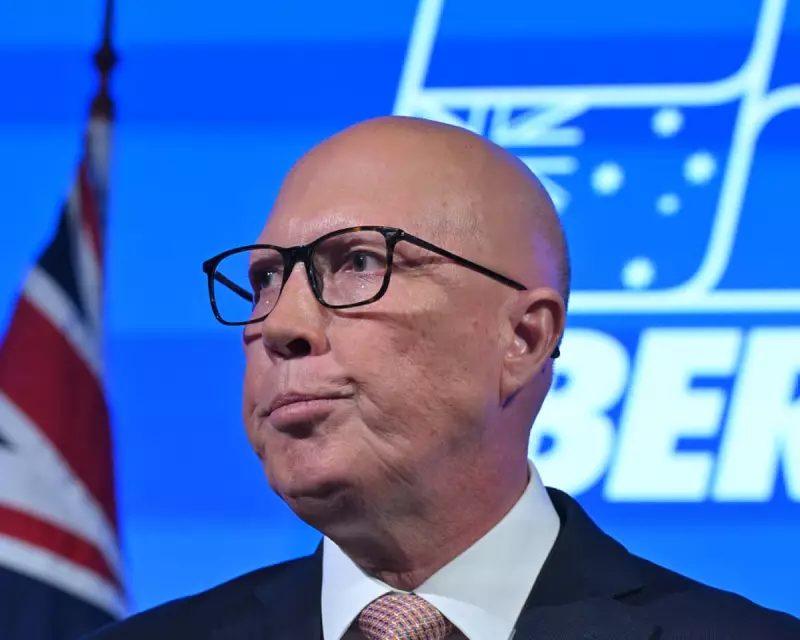
According to the document, Peter Dutton's campaign was characterised by inconsistency and missteps, including numerous policy backflips, poorly coordinated announcements, and a fundamental lack of message discipline. The review notes that these factors created confusion among voters and undermined the Coalition's credibility.

Dutton's Aggressive Approach Backfires
The analysis describes Dutton's political strategy as employing a "negative, arrogant and aggressive" approach reminiscent of Tony Abbott's playbook. This confrontational style, combined with poorly designed and badly explained policies, created a major barrier to voter support for the Coalition.
In contrast, the review highlights how Anthony Albanese's positive messaging and policies focused on improving voters' lives resonated strongly with the electorate. Labour successfully framed the election as a choice between Albanese and Dutton, undermining the Coalition's attempt to make the campaign a referendum on Labour's first term.
Labour's Historic Victory and Future Challenges
Labour achieved its biggest majority in the lower house since federation, winning 94 seats and even ousting Dutton from his own seat of Dickson. The review praises effective local campaign measures and continuous voter engagement as critical factors in defeating well-resourced challengers, including high-profile Greens MPs and teal independents.
However, the document warns that Labour must not become complacent. It identifies several areas requiring attention:
- Modernising party structures and rebuilding grassroots membership
- Working harder to thwart potential challenges from independents
- Demonstrating the importance of voting Labour candidates into the Senate
- Addressing risks from AI and targeted disinformation in future campaigns
Political Landscape and Internal Opposition Turmoil
The review describes Australia's political environment as increasingly resembling "150 by-elections with unique local dynamics", emphasising the need for sustained local engagement and visible delivery of promises. It warns that without these elements, even traditionally safe seats can become vulnerable to well-organised challengers.
Meanwhile, the Liberal Party's own election postmortem has been delayed amid legal threats and concerns about potentially defamatory content regarding Dutton and his campaign team. Party sources confirm lawyers have been engaged over the report prepared by party elders Nick Minchin and Pru Goward, with Dutton reportedly not having been given proper right of reply to key findings.
Labour's Path Forward
Responding to the review, Labour's national president Wayne Swan emphasised the need for continued growth and modernisation. "Labour's grassroots strength remains a cornerstone of our electoral success", Swan stated, adding that the party must build a stronger and larger membership base while focusing on delivering tangible improvements to people's lives.

The review's findings align with the respected Australian Electoral Study, which documented a collapse in support for the Coalition's economic policies and recorded Dutton's unpopularity as breaking several records. As Labour prepares for its second term, the party faces the dual challenge of maintaining its electoral momentum while addressing the complex, localised nature of modern Australian politics.