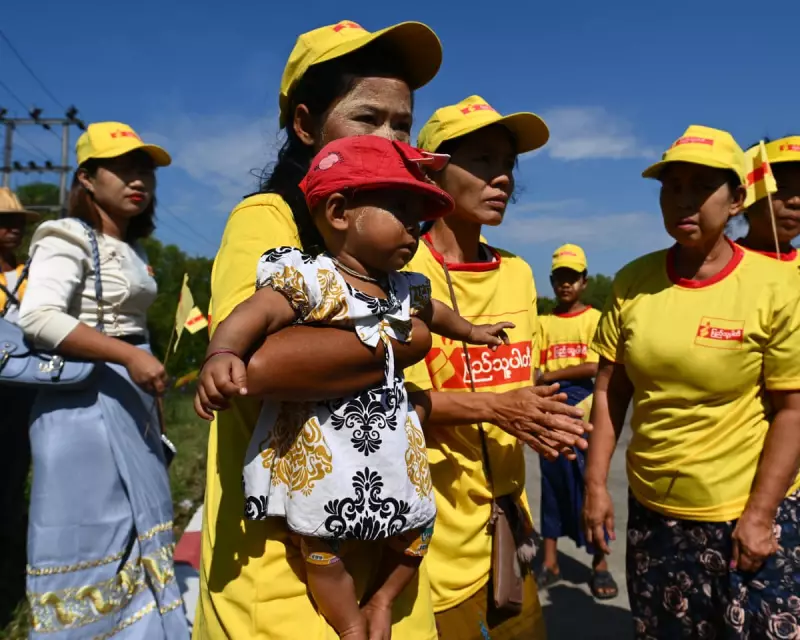
Myanmar is set to hold its first nationwide election since the military seized power in a 2021 coup, with voting scheduled for 8 February 2026. The poll, organised by the ruling military junta, the State Administration Council (SAC), is being met with widespread international scepticism and domestic opposition, casting serious doubt on its legitimacy and potential to restore democracy.
The Contested Electoral Landscape
The upcoming vote follows the military's violent overthrow of the democratically elected government led by Aung San Suu Kyi's National League for Democracy (NLD) in February 2021. Since then, the country has been engulfed in a severe political and humanitarian crisis, with intense armed conflict between the military and a broad coalition of ethnic armed organisations and resistance groups.
The electoral process is governed by a pro-military constitution and electoral laws drafted by the SAC, which critics argue are designed to ensure a favourable outcome for the junta and its political proxies. Key opposition parties, including the hugely popular NLD, have been forcibly dissolved by the military authorities. Furthermore, the junta has reserved a significant portion of parliamentary seats for unelected military appointees, guaranteeing the army continued political dominance regardless of the public vote.

International Condemnation and Domestic Crisis
The international community has largely condemned the planned election. Major world powers, including the United Kingdom, United States, and European Union, have stated they will not recognise the results of a vote held under what they describe as coercive and unjust conditions. The United Nations has repeatedly called for a return to inclusive democracy and the release of political prisoners, including Aung San Suu Kyi, who remains detained.
Domestically, the security situation presents a monumental obstacle. Large swathes of Myanmar are under the control of anti-junta forces, making it impossible for voting to proceed safely or freely in those regions. Humanitarian organisations report that millions have been displaced by the conflict, with many unable or unwilling to participate in an election organised by the very military accused of widespread human rights abuses.
What Comes Next for Myanmar?
Analysts warn that the 2026 election is unlikely to bring stability or international recognition to Myanmar. Instead, it is seen as an attempt by the military to create a veneer of legitimacy for its continued rule. The poll risks further entrenching the nation's divisions and exacerbating the ongoing conflict.
The path forward for Myanmar remains deeply uncertain. Any lasting resolution is widely believed to require a genuine, inclusive dialogue involving the military, the ousted democratic leadership, and the country's numerous ethnic groups—a prospect that seems distant amid the current violence and political intransigence. The world will be watching closely on 8 February, but expectations for a free and fair democratic transition are profoundly low.