

A poignant and darkly humorous family story about a father's near-fatal culinary error has led a British journalist to question the nation's current attitude towards newcomers.
A Father's Fateful Foray for Chestnuts
Forty-three years ago, a young man named Bill Frizzell arrived in the UK. Having grown up in the southern hemisphere amidst imagery of traditional British Christmases, he was determined to experience roasting chestnuts one cold winter. His quest took him to Clapham Common in south London, where he diligently collected what he believed were sweet chestnuts.
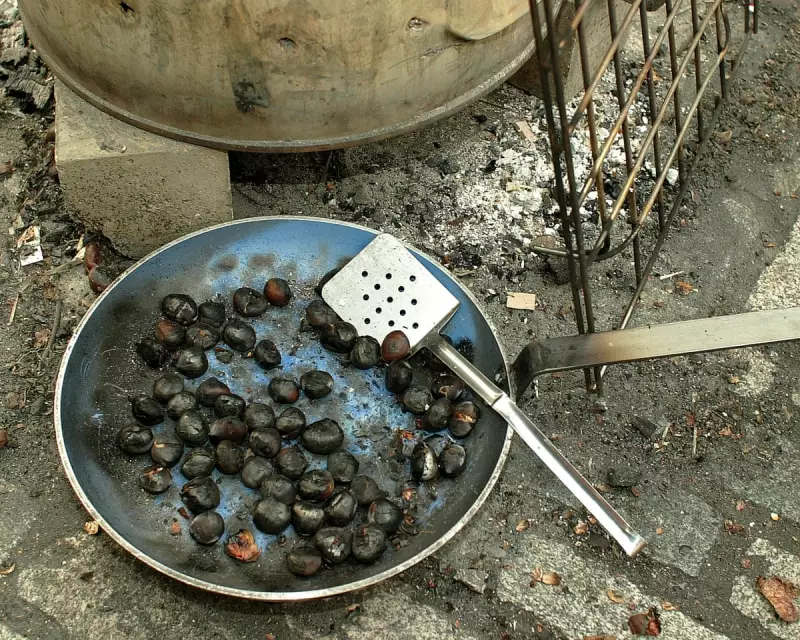
In reality, he had gathered horse chestnuts, or conkers, which are highly poisonous. Undeterred, he baked around thirty of them in a gas oven. When his British friends arrived, they were met with an acrid smell and the sight of a wild-haired man ready to eat his tray of "baked poison."

Thankfully, his friends intervened, preventing a serious hospitalisation. This incident, which still makes his daughter laugh, underscores a vital truth: everyone arriving in a new country needs a community for guidance, shelter, and sometimes, to stop them from eating toxic nuts.
Contrasting Compassion with Current Policy
The journalist, Nell Frizzell, contrasts this story of warm welcome with the current government's "brutal" approach to immigration. She expresses shame at having voted for a Labour government that proposes policies such as seizing asylum seekers' jewellery, refusing citizenship for two decades, and denying refugees the right to work.
Frizzell argues that instead of demonising people, the UK should embrace the innate human instinct to share. She draws on her own extensive experience hosting through the charity Refugees at Home, offering emergency accommodation to young men from Sudan and Afghanistan when her son was young.
The Simple Power of Sharing a Home
Despite having only a sofa bed to offer for short stays, the act of sharing her home had a profound impact. Guests played football with her son, shared meals, and did their laundry. These simple acts of hospitality forged lasting bonds.
One guest, referred to as G, remains a close friend, attending her wedding, helping in her garden, and sending messages for Eid. He even bought a gift for her baby after passing his exams. These experiences taught her children that sharing food, warmth, and shelter is "easy, important and nice."
Frizzell vows to open her home again, seeing it as a minimal sacrifice. She concludes by remembering her scruffy, sun-baked father, saved by a community's kindness, and hopes the UK can rediscover that spirit of making people feel at home.






