

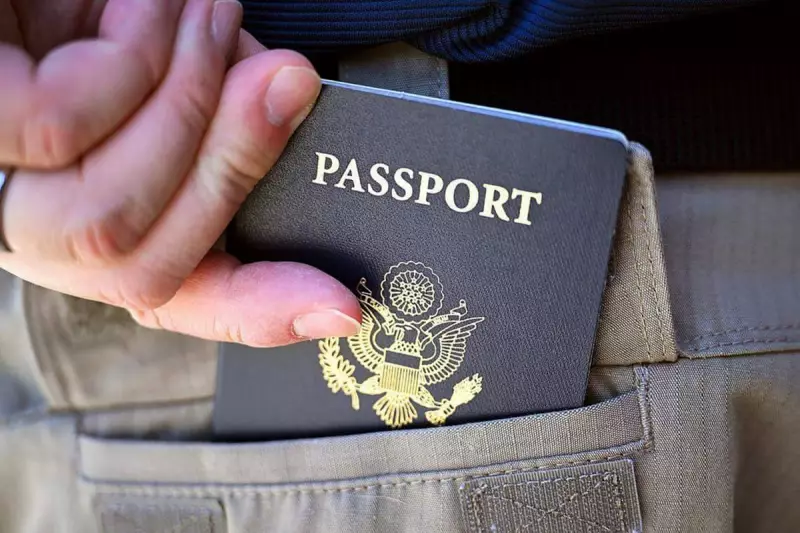
Across the United States, a growing number of citizens have begun carrying their passports during routine daily activities. This unsettling trend stems from a pervasive climate of fear created by widespread immigration raids and media reports of American citizens being detained by federal agents.
Living in a State of Heightened Alert
Munira Maalimisaq, a family nurse practitioner who runs the Inspire Change Clinic in Minneapolis, began carrying her passport daily on 2 December. This decision coincided with a surge of federal agents in the city, following repeated targeting of Somali communities by the Trump administration. A naturalised US citizen for over two decades, Maalimisaq now feels her headscarf makes her a visible target.
Her clinic, which serves marginalised communities, is in an area where ICE agents have been active. She has initiated a rapid response effort, offering more telehealth appointments and safe rides as patients express fear. Notably, an increasing number of patients now present passports instead of driver's licences at check-in.

"For me, it didn't stop me from working... but just taking extra precautions, and the passport was my safety net," she said. "No one should have to carry a passport just to exist safely in their own city."
The Precaution Becomes Routine
In Kenner, Louisiana, Walter Cruz Perez, a US citizen since 2022, has altered his daily habits. The 58-year-old landscaping business owner now carries his passport in a ziplock bag within his phone case while working. This change followed early December raids in his New Orleans suburb and news reports of Latino citizens being temporarily detained.
Cruz worries his accent, short height, and appearance could make him a target. He meticulously protects his passport from weather damage, fearing agents might doubt a worn document's authenticity. "It's stressful," Cruz admitted. "You see on the news that people don't have the chance to identify themselves... so you do what you have to do to avoid problems."
Carola Lopez, an educator living outside New Orleans, has carried her passport in her car since a 2015 incident where she was stopped without cause near Houston. A Puerto Rican, and therefore a US citizen by birth, she is accustomed to questions about her Spanish language and status. The current crackdown has reinforced her need for this precaution.
"It's really sad that we have to do this," Lopez stated. "I never thought I'd feel like I have to prove where I'm from... and that we are from the United States."
Altered Lives and Eroded Trust
In Los Angeles, born-and-raised citizen Miguel Rios, 49, and his family now carry passport copies. He cancelled family road trips and discourages his parents from large gatherings. His concern turned to action after hearing about a US citizen associate being erroneously detained and taken to an ICE facility, and after witnessing a raid using a moving truck at a local Home Depot.
Rios finds a recent Supreme Court ruling particularly distressing, as it allows agents to stop people for speaking Spanish or appearing Latino. "It's really scary for the elders," he said. "You're tearing families apart... You're going to workplaces – that's not where the criminals hang out."
For Ana, a southern California educator and daughter of Mexican immigrants, the detainment of US citizen Andrea Velez in Los Angeles was a watershed moment. Velez was dragged into a vehicle by masked immigration officials in front of her family. "I thought if that happened to her that could happen to me," Ana said. "It's just a reminder you are not what they consider fully American."
Now, she carries her passport and ID at all times, despite her citizenship. "This is a very dangerous moment," she concluded, fearing the erosion of basic rights and due process.






