

A Desperate Journey for British Justice
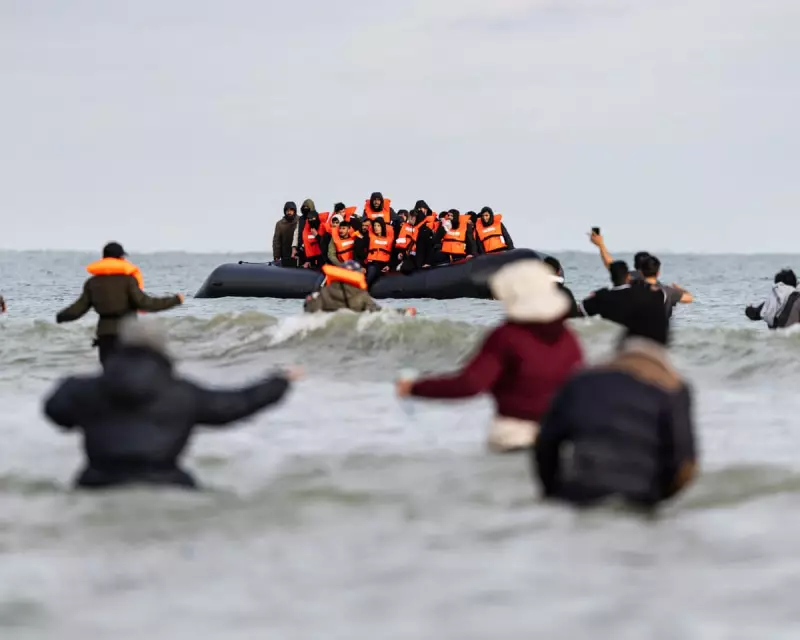
In late April 2024, migrants were photographed wading towards a smuggler's boat in Gravelines, northern France, attempting the perilous Channel crossing. Among them was an individual who believed this dangerous voyage represented their only path to safety and justice in the United Kingdom. Now, that same person faces potential return to France under a controversial government scheme, feeling utterly abandoned by the nation they risked everything to reach.
Fleeing Corruption and Seeking Sanctuary
The writer, an asylum seeker currently in the UK, emphasises they did not embark on the small boat journey recklessly. Having held a stable job managing an oilfield in their home country, they were fleeing targeted persecution from a powerful, corrupt individual. With no legal protection available domestically and all official immigration routes closed, the situation became a matter of life or death.
"I was running away from power, corruption and injustice," they state. Their initial refuge in France proved insecure, with continued threats from the networks they feared. This escalating danger forced what they describe as "the most dangerous decision of my life": crossing the Channel.

A Harsh Reception and Detention Shock
Upon interception by UK Border Force, the relief of seeing the British flag was short-lived. Instead of sanctuary, they describe being processed through impersonal interviews and then, randomly selected, taken to a detention centre. "It was the first time in my life I had seen a place like this, like something out of a prison drama," they recall, shocked by the environment of drugs and violence alongside individuals with criminal records.
They criticise the lack of proper legal representation and the overwhelming fear that permeates the system, exacerbated by a brutal response to a peaceful protest involving officers with dogs and teargas. "For people who already carry trauma, this treatment causes deep psychological damage," they argue.
The 'One In, One Out' Policy Dilemma
The core of their current predicament is the UK government's "one in, one out" policy. This arrangement allows Britain to return asylum seekers who arrived by small boat to France, in exchange for France accepting the same number of asylum seekers who have not attempted the crossing.
The Home Office has stated the writer should return to France. However, they possess evidence of specific threats against them and their family from within France. They claim this evidence was dismissed by officials on a technicality regarding translation, which felt like a "mockery" of their genuine fears.
Questioning the Policy's Efficacy and Humanity
The writer presents a stark critique of the policy's outcomes. They note that despite detentions beginning in August 2025, Channel crossings have continued, with over 16,000 people making the journey and fewer than 250 being returned to France. "The vast majority are stuck in hotels or detention centres," they observe.
They contend the deal primarily benefits France, which has received substantial UK funding to prevent crossings since 2015, while damaging Britain's reputation for fairness. "The UK has gained nothing, except shame and suffering inflicted on a small group of unlucky people," they assert.
A Plea for Alternative Solutions
The article concludes with a call for a fundamental shift in approach. The writer argues that punishing asylum seekers will not resolve the Channel crisis. Instead, they advocate for:
- Establishing safe and legal immigration routes.
- Implementing fair and thorough asylum processing.
- Enhancing genuine international cooperation targeting smuggler networks, not their victims.
"The problem is smugglers and failed policies, not people like me who believed in British justice and risked everything to reach safety," they conclude. The piece, told to Diane Taylor, stands as a powerful firsthand account of the human cost behind the headlines on immigration.
A Home Office spokesperson reiterated the government's position: "We cannot be clearer: migrants arriving in the United Kingdom illegally on a small boat can expect to be sent back to France."






