

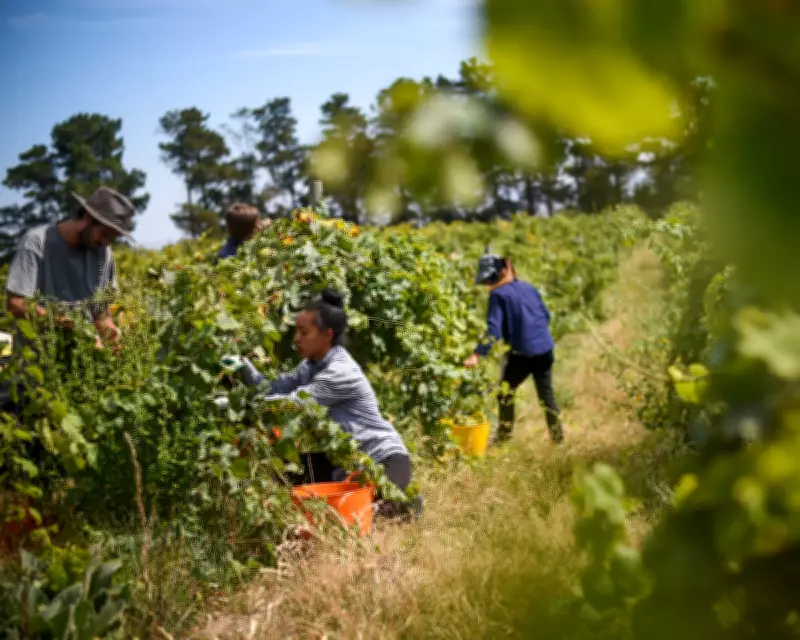
Australia's Pacific Worker Scheme has become a focal point in discussions about labour migration and agricultural practices, particularly within the palm industry. This initiative, designed to address workforce shortages, has sparked debate over its effectiveness and ethical implications.
Understanding the Pacific Worker Scheme
The Pacific Worker Scheme is a government-led program that facilitates temporary labour migration from Pacific Island nations to Australia. It aims to fill gaps in sectors like agriculture, where domestic workers are often scarce. In the palm industry, this scheme has been instrumental in maintaining production levels, but it also raises questions about worker rights and industry sustainability.
Economic Impacts on the Palm Industry
The influx of Pacific workers has provided a much-needed boost to Australia's palm industry, which relies heavily on manual labour for harvesting and processing. By supplementing the local workforce, the scheme has helped stabilise output and support economic growth in rural areas. However, critics argue that it may depress wages and create dependency on migrant labour, potentially undermining long-term industry resilience.

Social and Ethical Considerations
Beyond economics, the scheme involves complex social dynamics. Pacific workers often face challenges such as:
- Cultural adjustment and isolation in remote areas
- Access to adequate housing and healthcare
- Potential for exploitation due to limited oversight
These issues highlight the need for robust protections to ensure fair treatment and integration, balancing labour needs with humanitarian concerns.
Policy Debates and Future Directions
The Pacific Worker Scheme is part of broader immigration and labour policies that are frequently debated in Australian politics. Proponents emphasise its role in fostering regional ties and addressing labour shortages, while opponents call for reforms to prioritise local employment and improve worker conditions. As the palm industry evolves, ongoing evaluation of the scheme's impact will be crucial for shaping future policies that benefit both Australia and Pacific communities.
In summary, Australia's Pacific Worker Scheme represents a significant intervention in the palm industry, with mixed outcomes that warrant careful scrutiny. By examining its economic and social dimensions, stakeholders can work towards a more equitable and sustainable approach to labour migration.






