

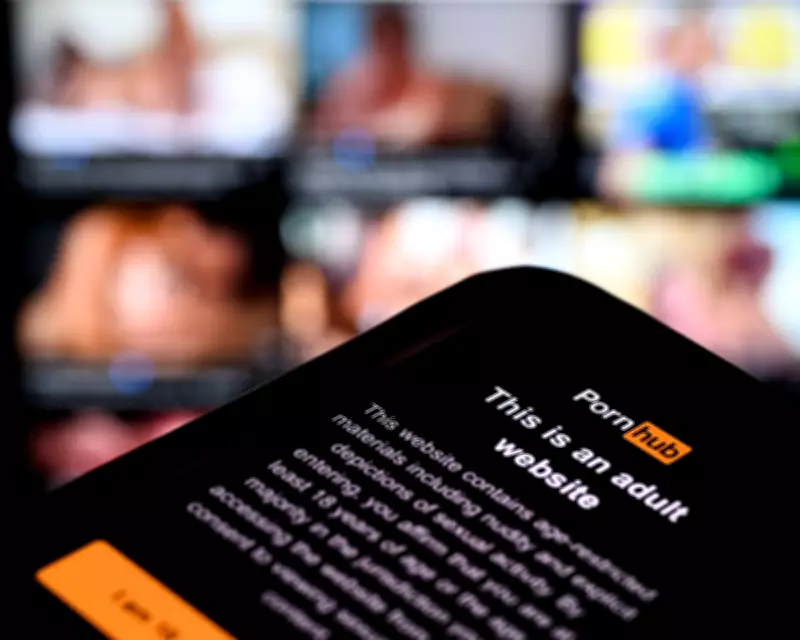
Australia's Porn Age Verification: A Contentious Shift in Digital Access
In a significant move, Australia has implemented age verification requirements for pornography websites, leading to widespread changes in how users access adult content online. Major platforms like Pornhub now display only safe-for-work material for Australian visitors who are not logged in, while others, such as RedTube, have completely blocked access from the country. This regulatory shift has sparked intense debate, with advocates hailing it as a victory for child protection, while critics warn of unintended consequences, including privacy invasions and a migration to riskier corners of the internet.
User Frustration and the Rise of VPNs
Australian consumers of adult content have expressed frustration with the new verification processes. Many report invasive measures, such as being required to submit video selfies or government identification to access even single images or videos. One user, Joe, described the experience as "maddening," noting that almost every post on their account now triggers a content warning and age check. Others, like Jethro, have abandoned their usual platforms due to concerns over data security, particularly when linking sensitive information to services like Google.
As a result, searches for virtual private networks (VPNs) have surged to their highest levels since 2015, when similar blocking laws for piracy sites were introduced. VPNs allow users to bypass geographic restrictions by masking their location, indicating a growing trend of Australians seeking workarounds to maintain access to adult content. This shift has raised alarms among experts, who caution that it could drive traffic to less moderated and potentially harmful websites.

Industry and Expert Warnings
Sex workers and digital rights advocates have long warned that these age verification codes, developed in collaboration with the eSafety commissioner, could force legitimate content creators off mainstream platforms. Mish Pony, chief executive of the Scarlet Alliance, emphasized that pushing users away from sites like Pornhub does not reduce porn consumption but instead funnels it into "darker corners of the internet," where moderation safeguards are lacking. This, she argues, makes it harder to address real harms, such as non-consensual content and exploitation.
Andy Conboi, an OnlyFans creator based in Sydney, has already observed a drop in engagement on his posts, attributing it to user reluctance to share personal data. He noted that some creators are pivoting to safe-for-work content on platforms like Instagram and TikTok, despite the irony of underage users being prevalent on those sites. Meanwhile, opponents of pornography, such as Collective Shout and the Australian Christian Lobby, have celebrated the new rules as a long-awaited victory, citing them as a barrier against exposure to extreme and violent material.
Privacy Risks and Substitution Effects
Research from the United States, where similar age verification laws have been enacted, shows significant substitution effects. When Pornhub blocked access in certain states, traffic shifted to alternative sites like XVideos, which became the top porn website in those areas. David Lang, a researcher at Stanford University, highlighted that VPN usage also increased, though it is harder to track due to users quickly adopting and then disappearing from search data.
Tom Sulston, head of policy at Digital Rights Watch, raised serious concerns about the creation of "honeytraps" for personal information. He warned that criminals or foreign intelligence services could exploit age verification systems to capture Australians' identities and sexual interests, potentially using this data for blackmail or sextortion schemes. Sulston argued that the regime may actually increase risks rather than protect users, underscoring the complex trade-offs between safety and privacy in the digital age.
As Australia navigates this new landscape, the debate continues over whether age verification represents a step forward in online safety or a problematic gateway to greater vulnerabilities. With fines of up to $49.5 million for non-compliance, more websites may soon adopt these measures, further shaping the future of internet access in the country.






